
Avoid Common Marriage Mistakes UAE: Essential Guide by Harris & Charms


TL;DR:
High divorce rates in UAE are often linked to legal paperwork errors and unmet expectations.
Proper preparation includes verifying eligibility, gathering required documents, and understanding ceremony rules.
Emotional readiness through premarital counseling is crucial for long-lasting marriage success.
Common Marriage Mistakes UAE: Nearly 30% of UAE marriages end in divorce within the first year, and that number should stop every couple in their tracks. The reasons rarely come down to falling out of love. More often, they trace back to skipped paperwork, misunderstood ceremony rules, unresolved expectations, or flawed Islamic contracts. Whether you are planning a civil or Islamic wedding, the UAE has specific legal and cultural requirements that cannot be ignored. This guide walks you through the most common marriage mistakes in the UAE and explains exactly how to avoid them before you sign anything.
Table of Contents
Key Takeaways of Common Marriage Mistakes UAE
Point | Details |
Document accuracy matters | Errors in paperwork or eligibility can delay or invalidate a marriage in the UAE. |
Ceremony rules are strict | Compliance with customs and payment regulations is essential for legal and social acceptance. |
Counseling is protective | Premarital sessions help couples avoid pitfalls linked to expectations and communication. |
Islamic contract rules differ | Guardian consent, witness eligibility, and valid mahr are crucial for Islamic marriages. |
Expert help reduces mistakes | Professional support and legal advice prevent costly oversights for UAE couples. |
Eligibility and documentation mistakes
With divorce rates so high, the foundation matters most. And for many couples, that foundation starts cracking before the ceremony even happens.
Civil marriage in the UAE requires more than a willing partner and a date. You must meet a minimum age requirement, prove your single status, and confirm there is no close family relationship between you and your future spouse. Not checking eligibility criteria before applying is one of the most common mistakes couples make in Abu Dhabi. Many assume they qualify automatically, only to discover a disqualifying factor weeks into the process.
Documentation gaps are just as damaging. Failing to submit required documents like passports, Emirates ID, and proof of single status can stall or cancel your application entirely. If you were previously married, you also need a divorce decree or death certificate. No exceptions.
Attestation is another area where couples lose time. Incomplete attestation or choosing the wrong jurisdiction creates legal problems that surface later, sometimes during divorce proceedings. You can review civil marriage eligibility requirements in detail before starting your application.
Here is a quick summary of what both marriage types require:
Requirement | Civil marriage | Islamic marriage |
Minimum age | Yes (varies by emirate) | Yes (Sharia guidelines) |
Proof of single status | Required | Required |
Passport and Emirates ID | Required | Required |
Divorce or death certificate | If previously married | If previously married |
Guardian (wali) consent | Not required | Required for bride |
Two Muslim witnesses | Not required | Required |
Mahr specification | Not applicable | Required |
Document attestation | Required | Required |
For civil weddings, also review the civil marriage 2026 requirements to make sure your paperwork is current. And if attestation feels overwhelming, a step-by-step walkthrough of marriage certificate attestation can simplify the process significantly. Once you receive your certificate, storing it properly in a quality marriage certificate holder protects it for years ahead.
Key documents you must not forget:
Valid passports for both parties
Emirates ID copies
Proof of single status (certificate of no impediment or equivalent)
Previous divorce decree or death certificate if applicable
Attested birth certificates where required
No-objection letter if required by employer or visa status
Ignoring ceremony rules and fees
Once eligibility and paperwork are secured, ceremony rules and payment must not be overlooked.
The UAE has clear social and legal standards for wedding ceremonies, and breaking them can invalidate your application or create serious legal exposure. Civil ceremonies are conducted in government offices, and they come with specific behavioral expectations. Not paying civil marriage fees or violating rules like no public displays of affection, no alcohol, and appropriate clothing are common errors that delay or reject applications.
These rules are not suggestions. They reflect UAE law and cultural norms. A couple who shows up underdressed or behaves inappropriately may face immediate rejection with no opportunity to reschedule without a penalty.
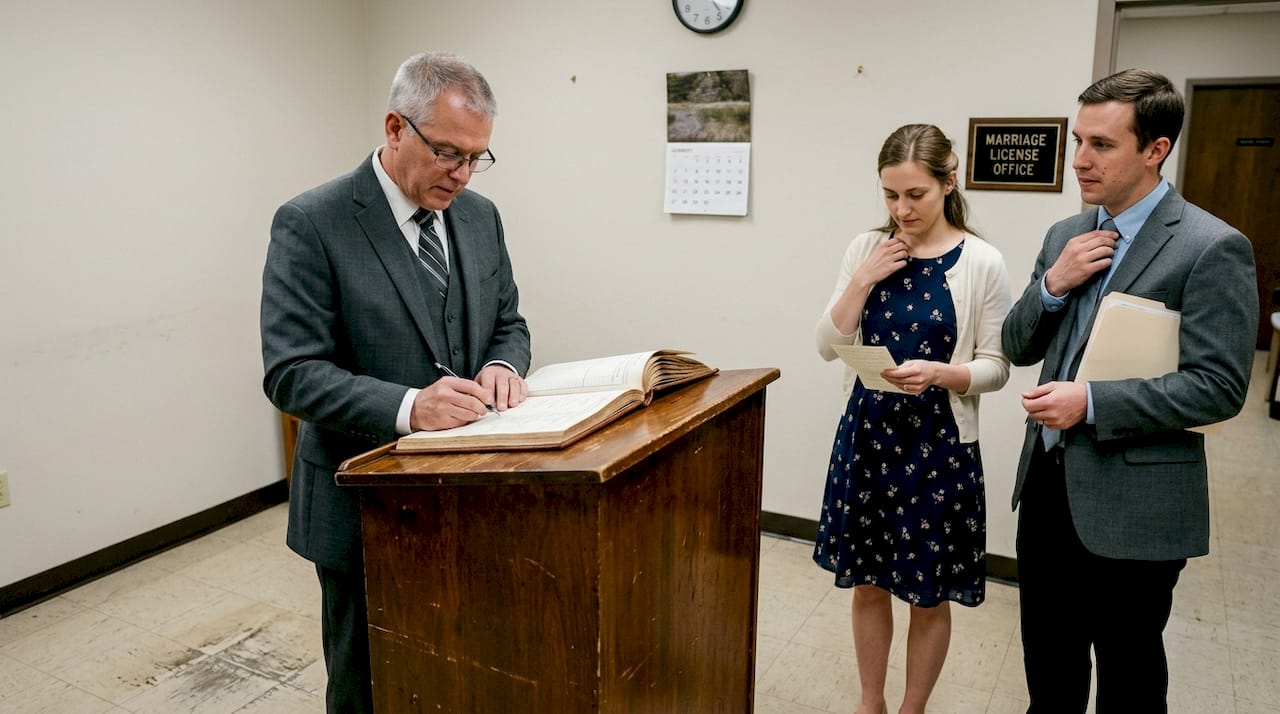
Here is what goes wrong most often during ceremonies and what follows:
Mistake | Consequence |
Non-payment of fees | Application rejected or delayed |
Inappropriate attire | Entry denied, rescheduling required |
Public displays of affection | Legal issue, application canceled |
Alcohol present at venue | Serious legal violation |
Late arrival without notice | Slot forfeited, fees lost |
The steps below help you avoid ceremony-day problems:
Confirm the total fee amount in advance and bring the exact payment method accepted.
Review dress code requirements for the specific venue or court.
Understand behavioral expectations and communicate them to your family and guests.
Arrive at least 15 minutes early and bring all documents again as a backup.
Follow up on your marriage process steps checklist the evening before.
Pro Tip: Call the civil registry office at least one week before your appointment to confirm fees, accepted payment methods, and any last-minute rule changes. This single step prevents most ceremony-day surprises.
Skipping premarital counseling
Beyond legal and ceremony steps, emotional readiness is essential.
Paperwork confirms you are legally married. It does not prepare you for marriage. That distinction matters enormously in the UAE, where skipping premarital counseling is strongly linked to unresolved issues in communication, finances, role expectations, and intimacy.
Many couples believe that love and good intentions are enough. But research and counselors consistently find that the gap between romantic expectation and daily reality is where early marriages break down. With nearly 30% of UAE divorces occurring within the first year, that gap is clearly not being addressed.
“Couples benefit most from at least five structured counseling sessions covering communication, financial planning, intimacy, family roles, and long-term expectations before marriage. These sessions address the specific gaps between how romance feels and how partnership actually works day to day.”
Pro Tip: Start counseling at least three months before the wedding date. This gives you time to work through any serious issues before they become last-minute crises.
Benefits of premarital counseling include:
Improved communication patterns before conflicts begin
Clearer financial expectations and shared money habits
Better alignment on family roles and responsibilities
Reduced risk of early separation
Stronger emotional resilience when challenges arise
Shared understanding of cultural and religious expectations
You can also review marriage requirements UAE to understand how legal readiness and emotional readiness work together.
Mistakes in Islamic marriage contracts
Civil marriage has its own process, yet Islamic contracts carry their own strict requirements that are just as easy to get wrong.
Islamic marriage in the UAE is governed by Sharia law, and the contract itself must meet several precise conditions to be valid. For Islamic marriages, the key requirements include the bride’s guardian (wali) giving consent, two eligible Muslim witnesses, a properly declared Ijab and Qabul (offer and acceptance), and a clearly specified mahr (the gift from groom to bride). Any one of these missing renders the contract void.
Couples often underestimate the witness requirement. Both witnesses must be adult Muslim males who understand the ceremony. Non-Muslim witnesses, minors, or individuals who do not meet Islamic eligibility criteria will invalidate the contract regardless of their good intentions.
Common errors in Islamic contracts include invalid or conditional clauses, missing signatures from the wali or witnesses, mahr stated as vague or symbolic amounts, and failure to register the contract with the UAE courts. Review the Islamic marriage rules applicable in the UAE before preparing your contract.
Checklist for a valid Islamic marriage contract:
Written and verbal offer (Ijab) from the bride’s side
Clear acceptance (Qabul) from the groom
Guardian (wali) consent confirmed in writing and verbally
Two eligible Muslim male witnesses present
Mahr amount clearly stated and agreed upon
No invalid conditions added to the contract
Contract registered with UAE Sharia courts
Step-by-step verification process:
Confirm the wali’s legal eligibility and willingness to participate.
Identify two qualifying Muslim witnesses in advance.
Agree on a specific, reasonable mahr amount with both parties.
Draft the contract with a qualified Islamic legal advisor.
Review all clauses for Sharia compliance before signing.
Register the signed contract with the appropriate UAE court.
Our take: The real keys to lasting marriage in the UAE
We have worked with enough couples in the UAE to know something that no checklist captures: legal compliance and emotional preparedness are not the same thing, and most couples over-invest in one while ignoring the other.
Paperwork gets filed and ceremonies happen on time, but then the real work begins. Family dynamics, cultural differences, and adapting to shared life after the wedding catch many couples completely off guard. That adjustment period is where marriages become vulnerable.
The pre-marriage counselling data supports what we see firsthand. Covering five sessions on communication, finances, and intimacy is not excessive. It is the minimum. Couples who skip this step do not just miss a box to check. They miss the chance to build the actual foundation.
Our strongest advice to any couple using our services is to seek legal guidance early and treat emotional preparation with the same seriousness. Develop shared goals, have honest conversations about money and family, and revisit expectations regularly, not just before the wedding.
Pro Tip: Put your shared goals in writing within the first month of marriage. Revisit them every six months. This one habit builds more resilience than any single legal document.
You can also revisit civil marriage tips to make sure your legal foundation is fully solid.
Next steps: Marriage support for UAE couples
If you are preparing for marriage in the UAE, you do not have to figure this out alone.

At Harris & Charms, we support couples through both civil and Islamic marriages, from document preparation and attestation to venue coordination and legal guidance. Our team has seen the mistakes that derail weddings and early marriages, and we build every service around helping you avoid them. Explore our civil marriage packages or browse all UAE marriage services to find the right fit for your situation. Ready to get started? Contact Harris & Charms today and take the first step toward a marriage that begins on solid ground.
Frequently asked questions
What documents are needed for civil marriage in the UAE?
You must provide valid passports, Emirates ID, proof of single status, and previous divorce or death certificates if applicable. Missing even one document can delay or cancel your application.
Why is premarital counseling important for UAE marriages?
Premarital counseling addresses communication gaps, financial habits, and intimacy expectations that, when left unresolved, contribute to early divorce. It is one of the most practical steps a couple can take before the wedding.
What are the key requirements for Islamic weddings in the UAE?
Islamic weddings require guardian consent, two eligible Muslim witnesses, a clearly defined mahr, and a properly declared offer and acceptance. All terms must comply with Sharia law and be registered with the UAE courts.
How can couples avoid mistakes with marriage certificate attestation?
Carefully prepare and verify all documents before submission, confirm the correct jurisdiction, and ensure attestation is complete. Errors here can affect legal standing in future property or divorce proceedings.
Is there a difference between civil and Islamic marriage in the UAE?
Yes. Civil marriage requires precise documentation and is structured around monogamy, while Islamic marriage follows Sharia rules that include strict mahr and witness requirements, and provisions for polygamy with equity obligations.
Recommended
Comments