
Islamic Marriage UAE: Legal Steps and Key Requirements

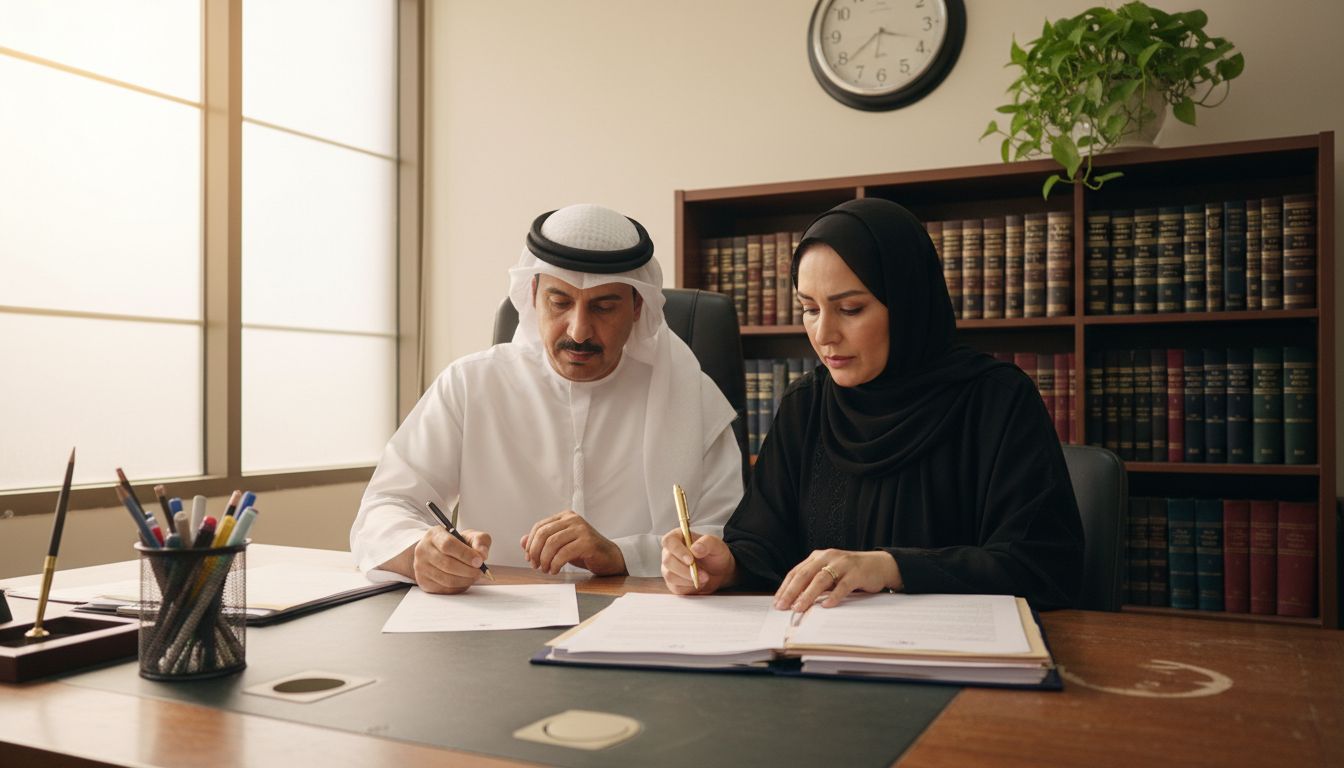
Over 30 percent of American expats living in the United Arab Emirates encounter unexpected challenges when navigating Islamic marriage rules. Understanding the legal and religious requirements takes on new importance for anyone building a life abroad. This guide breaks down the essential principles, documentation steps, and common pitfalls so American couples and other foreign nationals can marry with confidence and avoid common mistakes.
Table of Contents
Key Takeaways
Point | Details |
Marriage Requirements | Both parties must be at least 18, provide valid identification, and obtain a Medical Fitness Certificate. Legal registration at a Sharia court is mandatory for the marriage to be recognized. |
Types of Marriage | Key forms include Traditional Nikah, Misyar Marriage, and Urfi Marriage. Couples should understand implications and choose the format that suits their needs. |
Expat Considerations | Foreign nationals must comply with specific regulations, including documentation and potential conversion for interfaith marriages. The 2022 civil law offers more options for non-Muslim couples. |
Avoiding Common Mistakes | Ensure proper registration, document translations, and medical screenings are completed to avoid legal complications and ensure marriage validity. |
Islamic Marriage in UAE: Core Principles
Islamic marriage in the United Arab Emirates represents a sacred union deeply rooted in religious tradition and legal framework. This marital process involves intricate principles guided by Sharia law, which emphasizes mutual respect, consent, and comprehensive legal documentation. Comprehensive Islamic marriage guidelines reflect the sophisticated approach to matrimonial unions in the region.
At the core of Islamic marriage in the UAE are several fundamental requirements. Consent stands as the paramount principle, mandating that both parties enter the marriage willingly and without coercion. The marriage typically requires the presence of a guardian (Wali) for the bride, who provides consent and oversees the marriage contract. Two male witnesses must be present to validate the marriage agreement, ensuring transparency and legal authenticity.
The Mahr (dowry) represents another critical component of Islamic marriages in the UAE. This financial commitment from the groom to the bride is not merely a transactional element but a symbolic gesture of financial security and respect. The amount is negotiated and agreed upon during the marriage contract, reflecting the couple’s mutual understanding and commitment. Marriage Under UAE Law provides additional insights into the legal intricacies of these matrimonial arrangements.
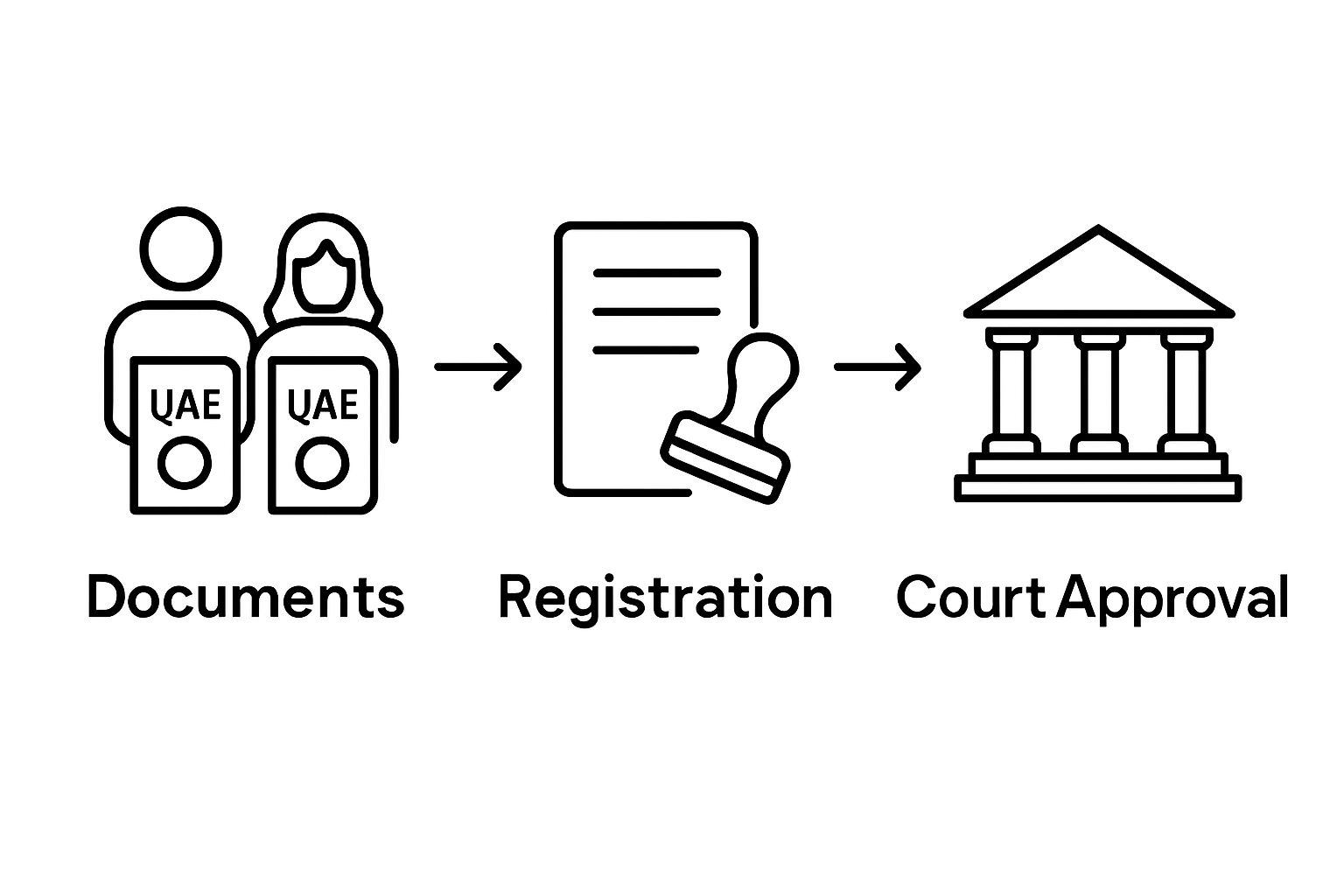
Registration of the marriage in a Sharia court is mandatory to ensure legal recognition. This process involves submitting necessary documentation, including identification papers, proof of consent, and the marriage contract. The court validates the marriage, providing an official certificate that grants legal status to the union. Understanding these core principles helps couples navigate the Islamic marriage process with clarity and confidence, respecting both religious traditions and legal requirements.
Types of Islamic Marriage and Variations
Islamic marriages in the United Arab Emirates encompass several nuanced variations that reflect the complex legal and cultural landscape of matrimonial unions. While traditional Nikah (permanent marriage) remains the most common form, understanding the different types of marriages helps couples navigate their legal and religious commitments. Complete Guide to the Islamic Marriage Process provides comprehensive insights into these intricate arrangements.
The primary forms of Islamic marriage in the UAE include:
Traditional Nikah: A permanent marriage contract between a man and woman, involving mutual consent, guardian’s approval, and legal registration
Misyar Marriage: A less conventional form where the wife retains her independent residence and the couple may have different living arrangements
Urfi Marriage: An informal marriage contract that is verbally agreed upon but lacks official documentation, which can create legal complications
Some specialized marriage variations also exist within Islamic legal frameworks. The Mut’ah marriage, predominantly practiced in Shia traditions, represents a temporary marriage arrangement with predefined duration and financial terms. However, this form is not legally recognized in the UAE and carries significant restrictions. The legal system prioritizes marriages that provide clear, long-term commitments and comprehensive protections for both parties.
Understanding these marriage types requires careful consideration of legal implications and cultural nuances. Legal Implications of Marriage UAE highlights the importance of choosing a marriage format that aligns with personal circumstances while maintaining legal compliance. Each variation carries distinct rights, responsibilities, and potential challenges, making it crucial for couples to seek professional guidance and thoroughly understand their chosen matrimonial path.
Legal Requirements and Documentation for Couples
Navigating the legal landscape of marriage in the United Arab Emirates requires careful attention to specific documentation and procedural requirements. Legal compliance stands as a critical foundation for couples seeking to formalize their union, with numerous precise steps and official documents necessary to ensure a valid marriage. Requirements for Civil Marriage UAE provides essential insights into the intricate legal framework governing matrimonial unions.
The fundamental legal requirements for marriage in the UAE include several key elements:
Minimum Age: Both partners must be at least 18 years old
Consent: Voluntary agreement from both parties without coercion
Medical Fitness Certificate: Mandatory pre-marriage health screening
Proof of Identity: Valid passport and residency documents
Marital Status Documentation: Proof of being single or divorced
Documentation represents a critical aspect of the marriage process. Couples must prepare a comprehensive set of official papers, including original and translated birth certificates, passport copies, and valid residence permits. For expatriate couples, additional documentation such as no-objection certificates from employers or sponsoring authorities might be required. Attestation of these documents by authorized government entities ensures their legal validity and recognition within the UAE’s judicial system.

The final stage involves formal registration of the marriage through official channels. This typically requires appearing in person at the relevant marriage registration office, presenting all required documentation, and completing mandatory administrative procedures. Role of Marriage Certificate UAE emphasizes the importance of obtaining an official marriage certificate, which serves as the ultimate legal proof of the matrimonial union. Couples should anticipate potential waiting periods and be prepared to navigate potential bureaucratic complexities with patience and thorough preparation.
Unique Conditions for Expats and Foreign Nationals
Foreign nationals considering marriage in the United Arab Emirates must navigate a complex legal landscape with specific regulations that differ significantly from their home countries. Religious compatibility and legal documentation emerge as critical factors for expatriate couples seeking to formalize their union. 6 Types of Marriage Certificates UAE Couples Should Know highlights the nuanced approaches available to international couples.
Key considerations for expatriate marriages include:
Religious Restrictions: Muslim men can marry non-Muslim women from ‘People of the Book’ (Christians or Jews)
Conversion Requirements: Non-Muslim men must convert to Islam to marry Muslim women
Documentation: Comprehensive international document translation and attestation
Civil Marriage Options: Non-religious marriage ceremonies under 2022 civil law
Embassy Procedures: Alternative marriage registration through diplomatic channels
The UAE’s 2022 civil law has significantly simplified marriage procedures for non-Muslim expatriates, introducing more flexible matrimonial frameworks. Couples can now choose civil ceremonies based on mutual consent and equality, removing many previous religious barriers. This approach allows for marriages to be registered in civil courts, typically with documentation prepared in English, which streamlines the process for international residents.
Foreign nationals must still prepare extensive documentation, including valid passports, residence permits, single status certificates, and translated legal documents. Embassy authentication and UAE government attestation remain crucial steps in establishing the legal validity of international marriages. Couples should anticipate potential complexities related to cross-cultural marriage requirements, potentially necessitating professional legal guidance to ensure full compliance with UAE matrimonial regulations.
Rights, Responsibilities, and Common Mistakes
Marriage in the United Arab Emirates involves a complex interplay of legal rights, personal responsibilities, and potential pitfalls that couples must carefully navigate. Legal awareness becomes paramount in ensuring a smooth and legally recognized matrimonial journey. Role of Marriage Certificate UAE provides critical insights into the legal framework governing marital relationships.
Key rights and responsibilities for married couples include:
Financial Obligations: Mutual support and financial disclosure
Inheritance Rights: Legal provisions for asset distribution
Residency Status: Impact of marriage on immigration and visa conditions
Parental Responsibilities: Legal rights and duties regarding children
Mutual Respect: Legal protection against domestic abuse
Common mistakes can significantly compromise the legal standing of a marriage. These critical errors often include:
Failing to register the marriage contract in official court systems
Overlooking necessary document translations and attestations
Ignoring medical screening requirements
Marrying without proper guardian consent
Neglecting to understand specific religious and cultural marriage restrictions
Couples must exercise exceptional diligence to avoid legal complications. The UAE’s marriage laws demand precise adherence to procedural requirements, with potential consequences ranging from administrative challenges to complete marriage invalidation. Professional legal consultation can help navigate these intricate regulations, ensuring that couples understand their rights, fulfill their responsibilities, and avoid potentially costly misunderstandings in their marital journey.
Simplify Your Islamic Marriage Journey in the UAE with Expert Support
Navigating the intricate legal steps and key requirements of Islamic marriage in the UAE can be overwhelming. From securing consent and preparing the Mahr agreement to managing the necessary documentation and court registration, couples often face challenges that delay or complicate their union. If you want to avoid common pitfalls such as missing medical certificates, untranslated documents, or unclear legal obligations, a trusted partner can make all the difference.
At Harris & Charms, we understand these complexities and offer comprehensive assistance tailored to your Islamic marriage needs. Whether you need help with the legal documentation process, ensuring proper attestation, or planning your wedding event, our personalized services bring clarity and ease to your special day. Discover how our unique approach, inspired by the founders’ real-life love story, builds trust and provides peace of mind during this important journey. Learn more about how we facilitate the Islamic marriage process and support legal compliance through document attestation and certification.
Are you ready to take the stress out of your Islamic marriage preparations and ensure your union is legally sound and meaningful?

Contact Harris & Charms today to get personalized guidance and start your seamless marriage journey in the UAE. Don’t wait to secure your future with confidence and celebrate your love with complete peace of mind.
Frequently Asked Questions
What are the fundamental requirements for an Islamic marriage in the UAE?
The fundamental requirements include mutual consent from both parties, the presence of a guardian (Wali) for the bride, and two male witnesses to validate the marriage agreement.
What is Mahr, and why is it important in Islamic marriage?
Mahr is the dowry provided by the groom to the bride, symbolizing financial security and respect. It is an essential component of the marriage contract, negotiated and agreed upon by both parties.
What legal documents are needed to register a marriage in the UAE?
You need a valid passport, residency documents, marital status documentation (proof of being single or divorced), and a medical fitness certificate, along with translated birth certificates and other relevant papers as required.
Are there any specific considerations for expatriates marrying in the UAE?
Yes, expatriates must navigate certain religious restrictions and documentation requirements. Non-Muslims can opt for civil marriage options under recent laws, and must also ensure all required documents are translated and attested.
Recommended
Comments