
What Is Non-Muslim Marriage UAE – Legal Process & Impact

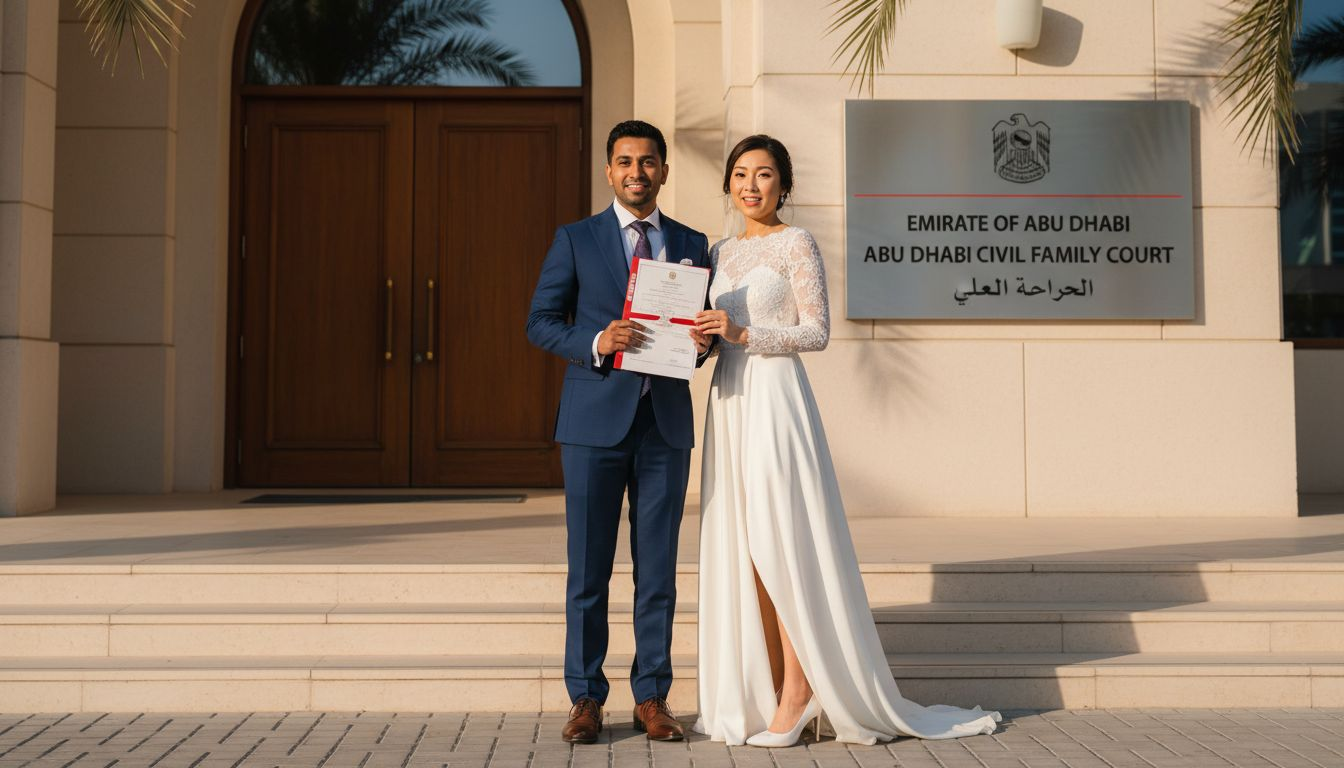
More than **60 percent of American and other expatriate couples in the United Arab Emirates face hurdles with non-Muslim marriage registration every year. Expat residents often encounter complex requirements and varying legal standards, especially when their documentation must meet both local and international demands. This guide spotlights the latest legal updates, clear explanations of marriage options, and practical solutions designed to help couples simplify paperwork and select services that suit their unique backgrounds.
Table of Contents
Key Takeaways
Point | Details |
Non-Muslim Marriage Framework | The UAE provides a flexible legal framework for non-Muslim marriages, allowing expatriates to register under home country laws or UAE regulations. |
Types of Marriage Options | Couples can choose between Local Civil Marriage and International Recognition Marriage, each with specific documentation requirements. |
Legal Protections | Non-Muslim expat couples benefit from multiple legal rights, including property ownership, inheritance, and child custody arrangements. |
Documentation Requirements | Thoroughly prepare required documents, ensure proper translations, and consult legal authorities to navigate the marriage process smoothly. |
Defining Non-Muslim Marriage in the UAE
In the United Arab Emirates, non-Muslim marriage represents a unique legal pathway for expatriates seeking to formalize their relationship under specific regulatory frameworks. Unlike traditional Islamic marriage protocols, non-Muslim marriages provide alternative legal mechanisms that respect international residents’ personal status and cultural backgrounds. The legal implications of marriage in the UAE have been significantly transformed by the Federal Decree Law No. 41 of 2022, which establishes comprehensive guidelines for non-Muslim couples.
The new legal framework grants non-Muslim residents remarkable flexibility in marriage registration, allowing them to choose between following their home country’s legal standards or adopting the UAE’s alternative personal status laws. This groundbreaking approach enables expatriate couples to navigate marriage procedures with greater autonomy and cultural sensitivity. Specifically, the law covers critical family matters including marriage registration, divorce processes, inheritance rights, and child custody arrangements for non-Muslim residents.
Key characteristics of non-Muslim marriage in the UAE include:
Recognition of international marriage certificates
Option to register marriages through competent UAE courts
Flexibility in applying home country legal standards
Comprehensive legal protections for both partners
Streamlined documentation processes for expatriate couples
Pro tip: Always consult with official UAE legal authorities and bring comprehensive documentation from your home country to ensure smooth marriage registration and recognition.
Types of Non-Muslim Marriage Options
The United Arab Emirates offers diverse marriage options for non-Muslim expatriates, reflecting the country’s progressive approach to international residents’ personal legal needs. Types of marriage certificates play a crucial role in understanding the legal landscape for couples seeking to formalize their relationship in the UAE. The primary marriage options available include civil marriages, which provide a secular and flexible framework for non-Muslim residents and visitors.
Civil marriages in the UAE represent a significant legal pathway, particularly in emirates like Abu Dhabi, where Law No. 14 of 2021 has expanded options for non-Muslim couples. These marriages offer several distinctive characteristics that set them apart from traditional religious ceremonies:
Secular registration process
No mandatory pre-marital screening
International legal recognition
Gender-neutral legal protections
Flexibility for tourists and temporary residents
Specifically, non-Muslim marriage options can be categorized into two primary types:
Local Civil Marriage: Conducted entirely within the UAE legal system
International Recognition Marriage: Designed for couples seeking global legal acknowledgment
Each marriage type comes with unique documentation requirements and legal implications, making it essential for couples to understand the specific procedures that apply to their individual circumstances.
Here’s a side-by-side look at Local Civil Marriage and International Recognition Marriage options for non-Muslim couples in the UAE:
Criteria | Local Civil Marriage | International Recognition Marriage |
Governing Law | UAE personal status law | Home country law option |
Registration Location | UAE courts | UAE or abroad |
Certificate Validity | Valid within UAE | Globally recognized |
Typical Documentation | Full UAE documentation needed | Additional international documents |
Pro tip: Consult with official UAE marriage registration authorities and prepare comprehensive international documentation to ensure a smooth and legally compliant marriage process.
Civil Marriage Law and Legal Framework
The Civil Marriage Law in the United Arab Emirates represents a groundbreaking legal approach that provides comprehensive protection and flexibility for non-Muslim residents. Requirements for civil marriage in the UAE have been systematically outlined in the Federal Decree Law No. 41 of 2022, which took effect in February 2023, establishing a robust legal framework for international couples.
Key components of the civil marriage legal framework include specific eligibility criteria and procedural requirements:
Minimum age restrictions for marriage
Mandatory consent provisions
Authentication through authorized judicial channels
Flexible legal jurisdiction options
Comprehensive documentation standards
The legal framework distinguishes itself through several critical provisions:
Jurisdiction Selection: Couples can choose between UAE laws or their home country’s legal standards
Secular Registration: Completely separate from religious marriage protocols
Comprehensive Coverage: Addressing marriage, divorce, inheritance, and child custody
Particularly noteworthy is the UAE’s approach in Abu Dhabi, where Law No. 14 of 2021 provides an additional layer of legal clarity for civil marriages, demonstrating the country’s commitment to creating inclusive legal mechanisms for its diverse population.

Pro tip: Carefully review all documentation requirements and consult legal professionals to ensure full compliance with the most recent civil marriage regulations in your specific emirate.
Essential Requirements and Documentation
Navigating the documentation requirements for non-Muslim marriage in the UAE demands careful preparation and attention to detail. Civil marriage process for UAE expats involves a comprehensive set of legal and personal documentation that couples must meticulously compile to ensure a smooth registration process.
Essential documentation for civil marriage typically includes:
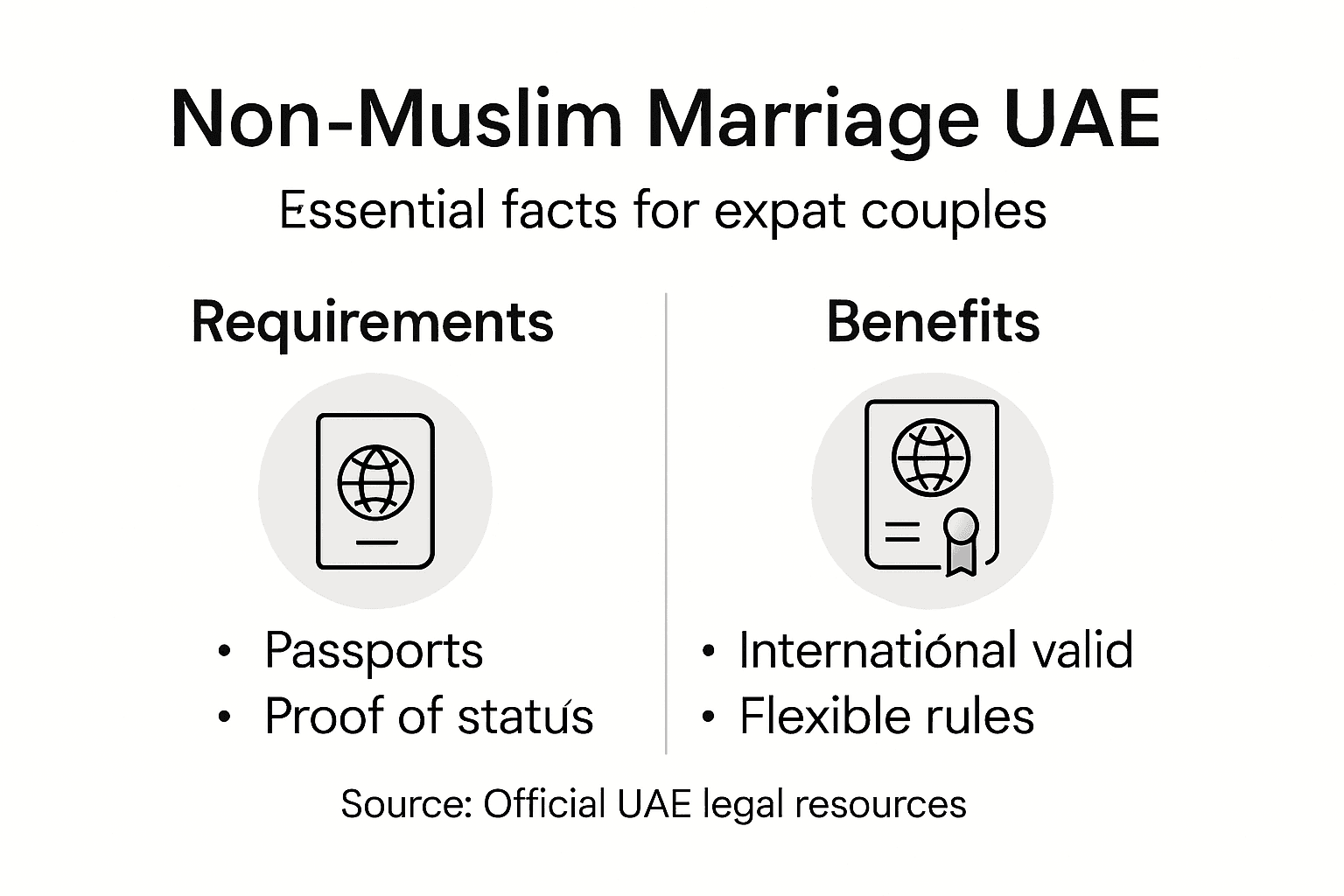
Valid passports for both parties
Proof of single status (single status certificate)
Certified divorce or death certificates (if previously married)
Passport-sized photographs
Completed marriage application forms
Valid Emirates ID or residence permit
Specific legal requirements for documentation encompass several critical aspects:
Age Verification: Both parties must be at least 21 years old
Translation Requirements: All foreign documents must be officially translated into Arabic
Authentication Process: Documents must be authenticated by relevant authorities
The documentation process involves multiple steps:
Preliminary online pre-registration
Document submission and verification
Payment of required fees
Scheduling official marriage registration appointment
Final authentication by judicial authorities
Pro tip: Prepare all documents well in advance, ensure complete translations, and consider consulting a legal professional to verify the authenticity and completeness of your marriage documentation.
Rights and Legal Status for Expat Couples
Non-Muslim expat couples in the UAE enjoy a comprehensive legal framework that provides significant protections and rights under civil marriage regulations. Legal benefits of marriage in the UAE extend far beyond traditional relationship recognition, offering couples substantial legal safeguards and operational flexibility in managing their personal and financial affairs.
Key legal rights for expat couples include:
Property ownership rights
Inheritance protections
Child custody arrangements
Financial asset management
Spousal legal standing
Healthcare decision-making authority
The civil marriage legal framework provides several critical protections:
Jurisdictional Flexibility: Couples can choose between UAE laws or their home country’s legal standards
International Recognition: Marriage certificates are globally acknowledged
Gender Equality: Consistent legal protections for both partners
Moreover, the UAE’s progressive approach allows couples to select their preferred legal jurisdiction, enabling them to maintain familiar legal standards while residing in the country. This unique feature ensures that expat couples can navigate their marital relationship with greater confidence and legal clarity.
Pro tip: Consult with a legal professional specializing in UAE expat marriage laws to fully understand the nuanced rights and potential implications of your specific marital arrangement.
Common Pitfalls and Practical Solutions
Non-Muslim marriages in the UAE present several complex challenges that can derail couples’ legal processes if not carefully navigated. Civil marriage process for UAE expats requires meticulous attention to detail and proactive preparation to avoid potential administrative complications.
Common pitfalls for expat couples include:
Incomplete or improperly translated documentation
Misunderstanding age and consent requirements
Failing to authenticate international documents
Confusion about jurisdictional legal choices
Overlooking specific emirate-level procedural variations
Inadequate understanding of marriage registration timelines
Practical strategies to mitigate these challenges involve:
Document Verification: Thoroughly check all paperwork before submission
Legal Consultation: Seek professional guidance specific to your situation
Early Preparation: Begin documentation process well in advance of intended marriage date
Emirate-Specific Research: Understand local variations in marriage procedures
Navigating the legal landscape requires strategic planning and comprehensive understanding of both UAE regulations and potential jurisdictional complexities. Each emirate may have nuanced requirements, making professional consultation crucial for smooth marriage registration.
This summary outlines common pitfalls in marriage registration and actionable solutions for each:
Common Pitfall | Practical Solution |
Untranslated documents | Obtain certified Arabic translations |
Unverified legal paperwork | Authenticate documents early |
Confusion about jurisdiction | Seek advice on legal standards |
Missed procedural deadlines | Check timelines and schedule ahead |
Pro tip: Create a comprehensive checklist of required documents and authentication steps, and schedule consultations with legal professionals who specialize in UAE expatriate marriage procedures.
Simplify Your Non-Muslim Marriage Journey in the UAE
Navigating the legal process of non-Muslim marriage in the UAE can feel overwhelming with complex documentation, jurisdiction choices, and emirate-specific requirements. Whether you need help understanding the civil marriage law, preparing validated documents, or ensuring your marriage certificate is internationally recognized, Harris & Charms offers expert assistance designed to ease every step of your journey. Avoid common pitfalls like untranslated papers and missed deadlines by partnering with professionals who understand UAE regulations and provide personalized support.

Ready to make your marriage registration seamless and stress-free? Visit Harris & Charms for tailored services in civil marriage preparation and legal documentation. Explore how our dedicated team helps non-Muslim couples achieve their goals with confidence by checking out our civil marriage process assistance and legal benefits guidance. Take the first step today and ensure your marriage is legally recognized and protected in the UAE and beyond.
Frequently Asked Questions
What are the legal requirements for non-Muslim marriage in the UAE?
Non-Muslim couples in the UAE must provide valid passports, proof of single status, certified divorce or death certificates if previously married, passport-sized photographs, completed marriage application forms, and valid Emirates ID or residence permit.
How does the civil marriage process work for expatriates in the UAE?
The civil marriage process involves a preliminary online pre-registration, document submission and verification, payment of required fees, scheduling an official marriage registration appointment, and final authentication by judicial authorities.
What are the benefits of civil marriage for non-Muslim couples in the UAE?
Civil marriage offers several benefits, including international legal recognition, flexible jurisdiction options, and comprehensive legal protections concerning property ownership, inheritance, child custody, and spousal rights.
What common pitfalls should couples avoid during the marriage registration process?
Common pitfalls include submitting incomplete or improperly translated documents, misunderstanding age and consent requirements, failing to authenticate international documents, and confusing jurisdictional legal choices. Couples should thoroughly check paperwork and consider legal consultation to navigate these challenges.
Recommended
Comments