
The Essential Guide to Islamic Marriage in UAE

Updated: Nov 29, 2025
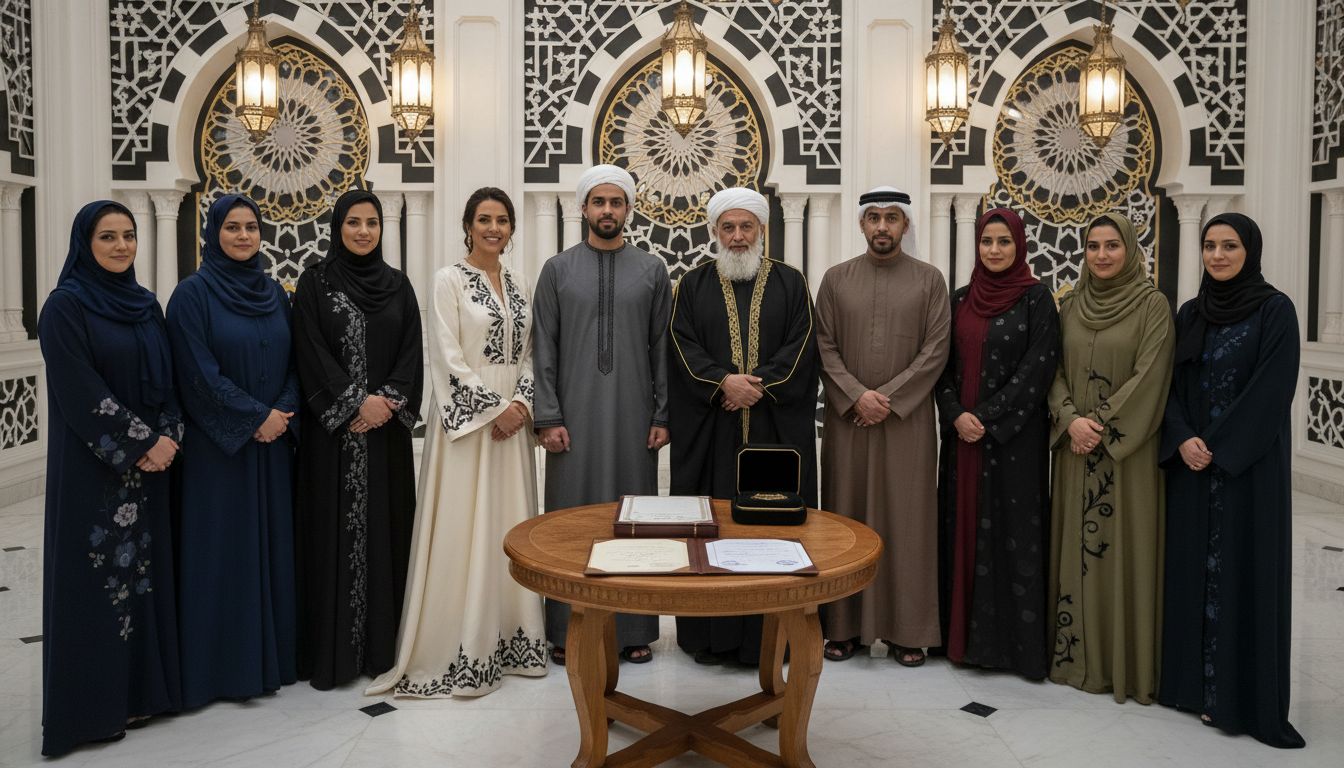
Over 80 percent of marriages in the UAE are formalized through deeply rooted Islamic traditions that blend faith and law. For any american planning to marry or understand family life here, unraveling this unique mix can be daunting. Recognizing the specific rituals, legal steps, and rights tied to Islamic marriage in the UAE helps couples avoid misunderstandings and ensures their union is valid in both spiritual and legal terms.
Table of Contents
Key Takeaways
Point | Details |
Islamic Marriage Contract | The Nikah is both a spiritual commitment and a legal framework requiring consent, dowry, and witnesses. |
Legal Documentation | Couples must prepare necessary documentation for legal registration, including passports, residency permits, and medical fitness certificates. |
Rights and Responsibilities | Islamic marriages involve mutual obligations, emphasizing financial support and respect while ensuring the wife’s financial independence through the mahr. |
Divorce Procedures | Divorces can occur through various means, including talaq and khula, and involve complex legal implications regarding custody and financial settlements. |
Understanding Islamic Marriage in UAE
Islamic marriage in the United Arab Emirates is a profound cultural and legal institution that blends religious traditions with modern legal frameworks. Islamic marriages in the UAE are governed by specific religious and legal requirements that ensure the sanctity and legitimacy of the union.
Nikah, the Islamic marriage contract, represents more than a legal document in the UAE. It is a sacred covenant between two individuals that encompasses spiritual, social, and legal dimensions. The process involves several critical components, including the consent of both parties, the presence of witnesses, and the formal agreement on a dowry (mahr) that the groom provides to the bride. Musawah highlights that this marriage framework is deeply rooted in Islamic jurisprudence while also being subject to evolving legal interpretations.
Key characteristics of Islamic marriage in the UAE include:
Mandatory registration in the Sharia court
Requirement of the bride’s guardian’s consent
Provision of a predetermined dowry
Legal protections for both spouses
Recognition of marriage as a civil and religious contract
For couples navigating this process, understanding these nuanced requirements is crucial. The UAE’s legal system ensures that Islamic marriages are not only spiritually meaningful but also legally robust, providing a structured approach to marital union that respects both traditional Islamic principles and contemporary legal standards.
Types and Key Rituals in Islamic Weddings
Islamic weddings in the UAE represent a rich tapestry of cultural traditions and sacred ceremonies that go far beyond a simple legal union. While the core religious principles remain consistent, the specific rituals and celebrations can vary significantly across different Emirates and family backgrounds. These weddings are typically composed of multiple ceremonial stages, each holding deep symbolic meaning and cultural significance.
One of the most important post-marriage ceremonies is the Walima, which Wikipedia describes as a celebratory banquet that serves as a public announcement of the marriage. This festive gathering symbolizes domestic happiness and community acceptance, representing a critical social ritual that transforms a private contract into a celebrated community event. The Walima typically involves elaborate feasts, where families and friends come together to congratulate the newlyweds and formally recognize their union.
Key rituals in Islamic weddings often include:
Nikah: The formal marriage contract signing
Mahr: Presentation of the mandatory dowry
Walima: The post-marriage celebration feast
Mehendi: Traditional henna ceremony for the bride
Rukhsati: The emotional farewell of the bride from her family
These ceremonies blend religious significance with cultural traditions, creating a comprehensive wedding experience that honors both spiritual commitments and social connections. For couples planning an Islamic wedding in the UAE, understanding these rituals helps ensure a meaningful celebration that respects time-honored traditions while embracing personal and familial expectations. Learn more about the complete Islamic marriage process in our comprehensive guide to navigate these beautiful cultural traditions.
Legal Requirements and Documentation Needed
Islamic marriages in the United Arab Emirates involve a comprehensive legal framework that requires meticulous documentation and adherence to specific regulatory requirements. Hzlegal emphasizes that these requirements are designed to ensure the legal validity and religious sanctity of the marriage, protecting the rights of both parties involved.
Couples planning an Islamic marriage in the UAE must prepare a detailed set of documentation to complete their legal registration. The essential documents typically include:
Original passports for both partners
Valid UAE residency permits (for expatriates)
Birth certificates
Proof of marital status (single/divorced/widowed certificate)
Medical fitness certificates
Consent documents from the bride’s guardian
Translated and authenticated marriage documents
Special considerations exist for different scenarios. Expatriate couples will need additional documentation, such as embassy-attested documents and proof of legal eligibility to marry.
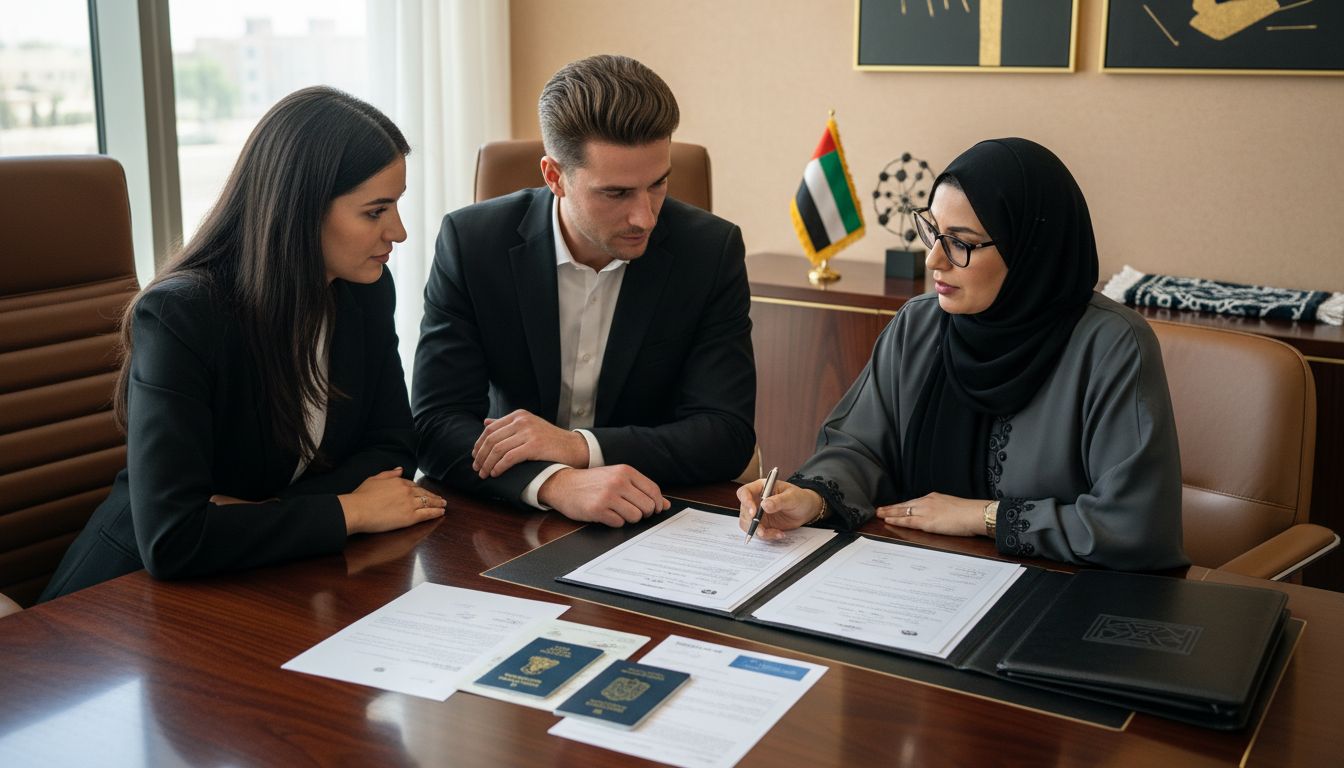
Muslim couples must undergo mandatory premarital counseling and medical screening, which includes tests for genetic compatibility and infectious diseases. The process requires careful coordination between religious authorities, legal institutions, and local government departments.
Navigating these complex requirements can be challenging, which is why understanding each step is crucial. Discover the 7 key steps for completing your marriage requirements in the UAE to ensure a smooth and legally compliant marriage process that respects both religious traditions and legal standards.
Rights and Responsibilities in Islamic Marriage
Islamic marriage in the UAE represents a comprehensive framework of mutual rights and obligations that go beyond a simple legal contract. Musawah highlights the nuanced legal landscape that defines marital relationships, emphasizing the delicate balance between traditional Islamic principles and contemporary interpretations of gender equality.
The core rights and responsibilities in an Islamic marriage encompass several critical dimensions:
Financial support (nafaqah) by the husband
Mutual respect and kindness
Sexual intimacy and companionship
Emotional and psychological support
Shared decision-making regarding family matters
Protection of individual dignity and personal rights
Hzlegal underscores that these responsibilities are not one-sided but create a mutual framework of obligations. The husband is traditionally responsible for financial maintenance, while the wife retains her financial independence and right to own property. Importantly, the mahr (dowry) is a mandatory financial commitment from the husband to the wife, symbolizing her economic security and personal value within the marriage.
Understanding these intricate rights and responsibilities is crucial for building a strong, respectful marital relationship. Learn more about the comprehensive legal implications of marriage in the UAE to ensure a harmonious and legally sound partnership that honors both Islamic traditions and modern interpretations of marital equality.
Dissolution, Divorce, and Legal Implications
Divorce in Islamic marriages within the UAE represents a complex legal process governed by intricate Sharia law principles. Hzlegal highlights that the dissolution of marriage involves multiple legal pathways, each with specific procedural requirements and potential consequences for both parties.
The primary mechanisms for marital dissolution include:
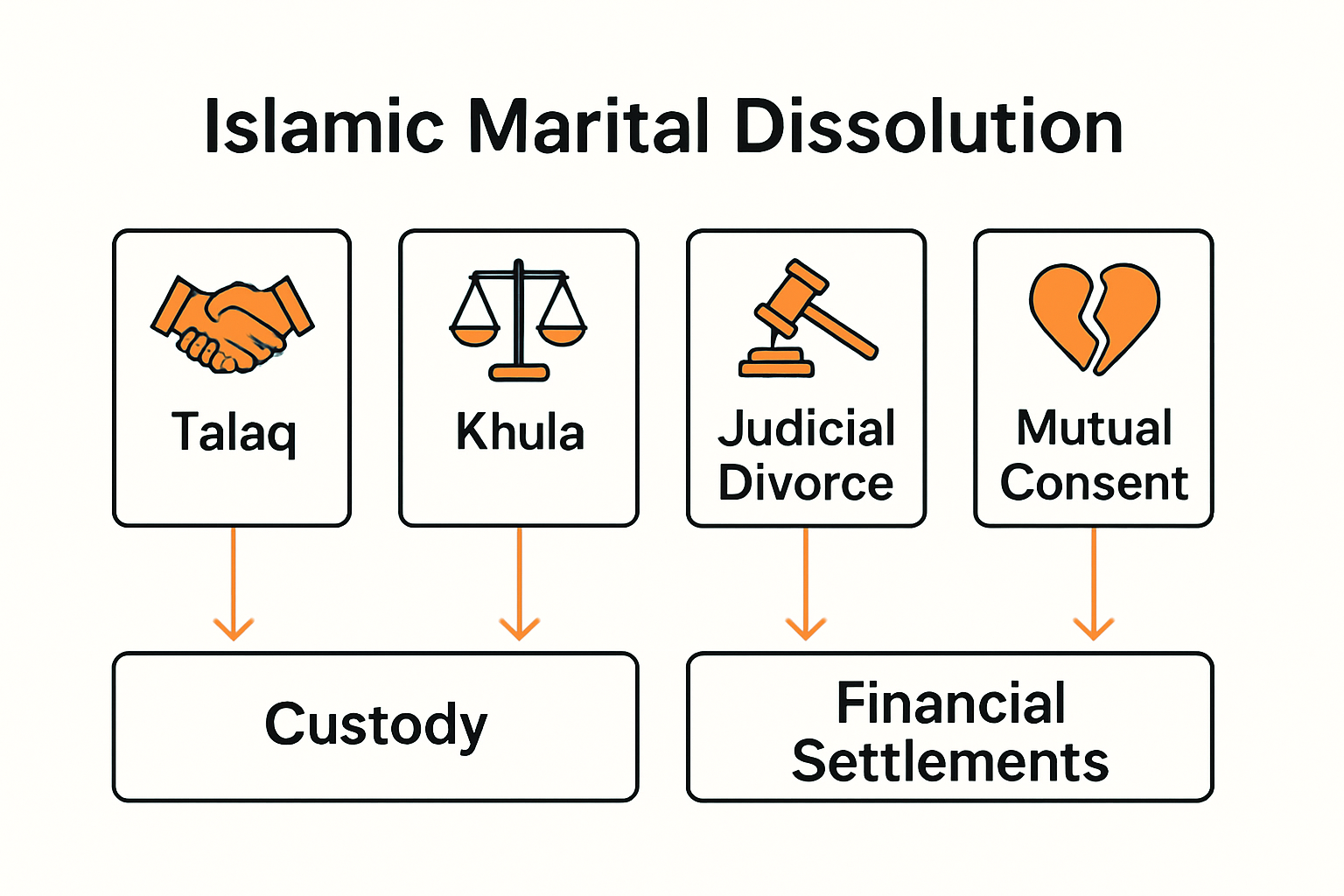
Talaq: Unilateral divorce initiated by the husband
Khula: Divorce initiated by the wife through mutual agreement
Judicial divorce: Dissolution through court intervention
Mutual consent: Collaborative separation agreed by both parties
Musawah emphasizes that modern interpretations are increasingly focusing on equitable processes that protect both spouses’ rights. The legal implications of divorce extend beyond immediate separation, encompassing critical aspects like child custody, financial settlements, and property distribution. Expatriate couples face additional complexities, including potential cross-jurisdictional legal challenges and documentation requirements.
Navigating these intricate legal waters requires professional guidance and comprehensive understanding. Explore our complete guide to legal implications of marriage in the UAE to ensure you are fully informed about your rights, responsibilities, and potential legal pathways during marital dissolution.
Seamless Islamic Marriage Support Tailored for Your UAE Journey
Navigating the legal and cultural aspects of Islamic marriage in the UAE can be overwhelming. From understanding the Nikah contract to securing the necessary documentation and honoring traditional rituals like Walima and Mahr, the process demands careful attention. Many couples face challenges with legal registration, consent requirements, and coordinating ceremonies alongside complex paperwork. This can create stress at a time meant for joy and celebration.
Harris & Charms provides personalized solutions designed to ease these exact pain points. Whether you need comprehensive assistance with your marriage documentation, expert guidance on legal rights and responsibilities, or help orchestrating meaningful wedding events, our dedicated team is here for you. Our trusted service includes venue management, legal attestations, and even photoshoots — all crafted to honor your unique love story while meeting UAE legal standards. Start your stress-free wedding experience today by visiting Harris & Charms for tailored support on every step of your Islamic marriage journey.
Discover the detailed steps and documents you need with our 7 key steps for marriage requirements in the UAE and explore how to protect your union’s legal integrity with our comprehensive guide on legal implications of marriage in the UAE.
Ready to make your Islamic marriage in the UAE both meaningful and hassle-free?
Plan your journey with confidence and care.

Take the first step now. Contact us at Harris & Charms and let us help turn your marriage dream into a beautiful reality.
Frequently Asked Questions
What is the Nikah in Islamic marriage?
Nikah is the Islamic marriage contract that symbolizes a sacred covenant between two individuals, encompassing spiritual, social, and legal dimensions.
What are the essential legal requirements for Islamic marriage in the UAE?
Couples must provide original passports, UAE residency permits, birth certificates, proof of marital status, medical fitness certificates, consent documents from the bride’s guardian, and authenticated marriage documents.
What are the rights and responsibilities of spouses in an Islamic marriage?
Rights and responsibilities include financial support, mutual respect, companionship, emotional support, shared decision-making, and protection of individual dignity and personal rights.
What are the different methods of divorce in Islamic marriages?
The primary methods of divorce include Talaq (unilateral divorce initiated by the husband), Khula (divorce initiated by the wife), judicial divorce through court, and mutual consent between both parties.
Recommended
Comments