
Muslim Marriage Registration in the UAE: Steps & Tips

TL;DR:
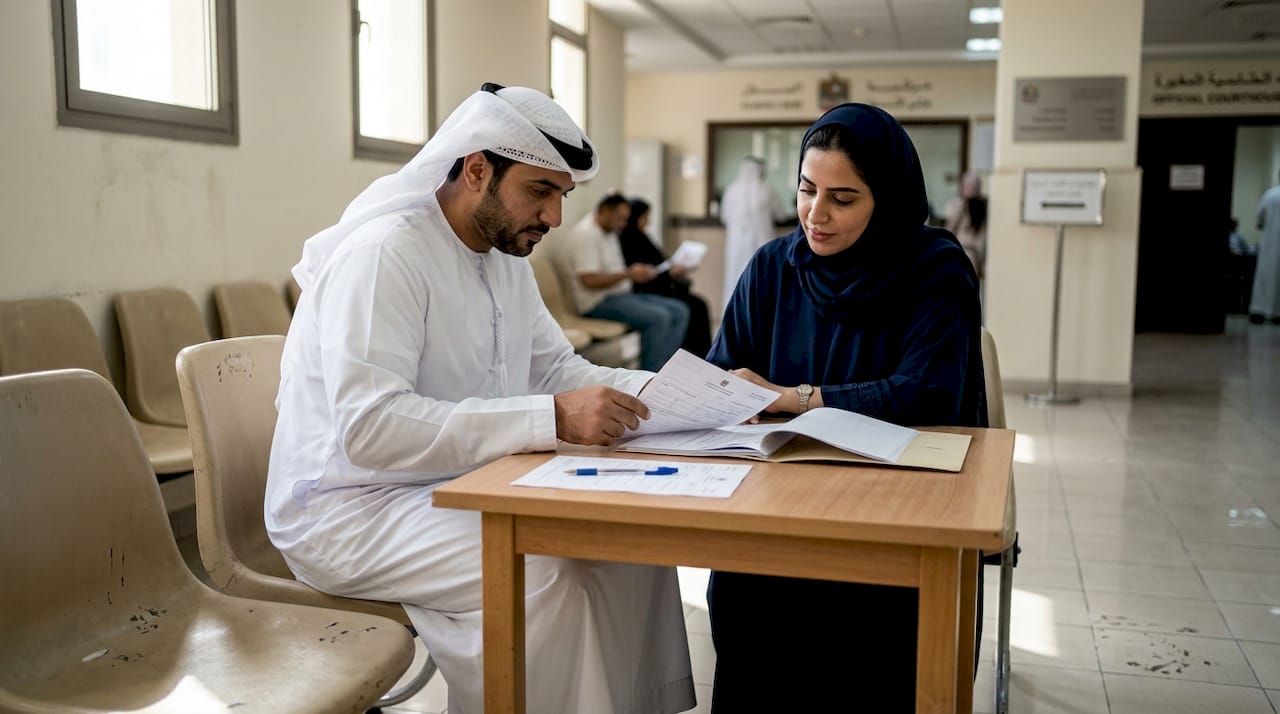
Legal recognition of Islamic marriage in UAE requires court registration, not just a Nikah.
Extensive documentation and attestation processes are mandatory, especially for expats, often taking 6-8 weeks.
The official court-issued marriage certificate is essential for visas, sponsorships, and legal matters.
Getting your Islamic marriage legally recognized in the UAE is one of those things that sounds straightforward until you’re knee-deep in paperwork, embassy queues, and Arabic translations. Many couples, especially expats, assume the Nikah ceremony alone is enough. It is not. Without official court registration, your marriage has no legal standing for visas, sponsorship, or residency. This guide walks you through every requirement, every step, and every pitfall, whether you are a UAE national, a long-term resident, or a foreign national navigating this process for the first time.
Table of Contents
Key Takeaways
Point | Details |
Document readiness | Prepare and attest all required documents in advance, especially for expats. |
Legal vs. religious | A court-registered Nikah is essential for legal recognition and residency rights. |
Digital registration benefits | UAE’s new digital systems make official marriage registration faster if you follow the steps. |
Expats’ extra steps | Foreign nationals need document translations and embassy attestation, adding time. |
Expert support advantage | Qualified help streamlines the registration process and helps avoid costly delays. |
What you need before your Muslim marriage registration
Before you book any appointment or walk into a Sharia court, you need to understand what the UAE actually requires. Federal Decree-Law No. 41 of 2024 applies to all Muslim marriages in the UAE, and it is not flexible. Missing even one document means your application gets rejected and you start over.
Here is what the law mandates as non-negotiable:
Age: Both partners must be at least 18 Hijri years old. A judge can grant exceptions in rare cases, but this requires a court order.
Ijab and Qabul: This is the formal offer and acceptance, the mutual verbal consent exchanged during the ceremony.
Wali: The bride’s male guardian (usually her father or brother) must be present and consent to the marriage.
Two witnesses: Both must be adult Muslim males who are present at the ceremony.
Mahr: A mandatory gift from the groom to the bride, agreed upon before the ceremony.
Beyond the ceremony requirements, you also need a specific set of documents. The full guide to Islamic marriage requirements outlines these in detail, but here is a quick reference:
Document | UAE Nationals | Expats/Foreign Nationals |
Valid passport | Required | Required |
UAE visa/Emirates ID | Required | Required |
Birth certificate | Required | Required + attested |
Proof of single status | Required | Required + embassy certificate |
Premarital medical test | Required (within 30 days) | Required (within 30 days) |
No-objection certificate | Sometimes required | Often required |
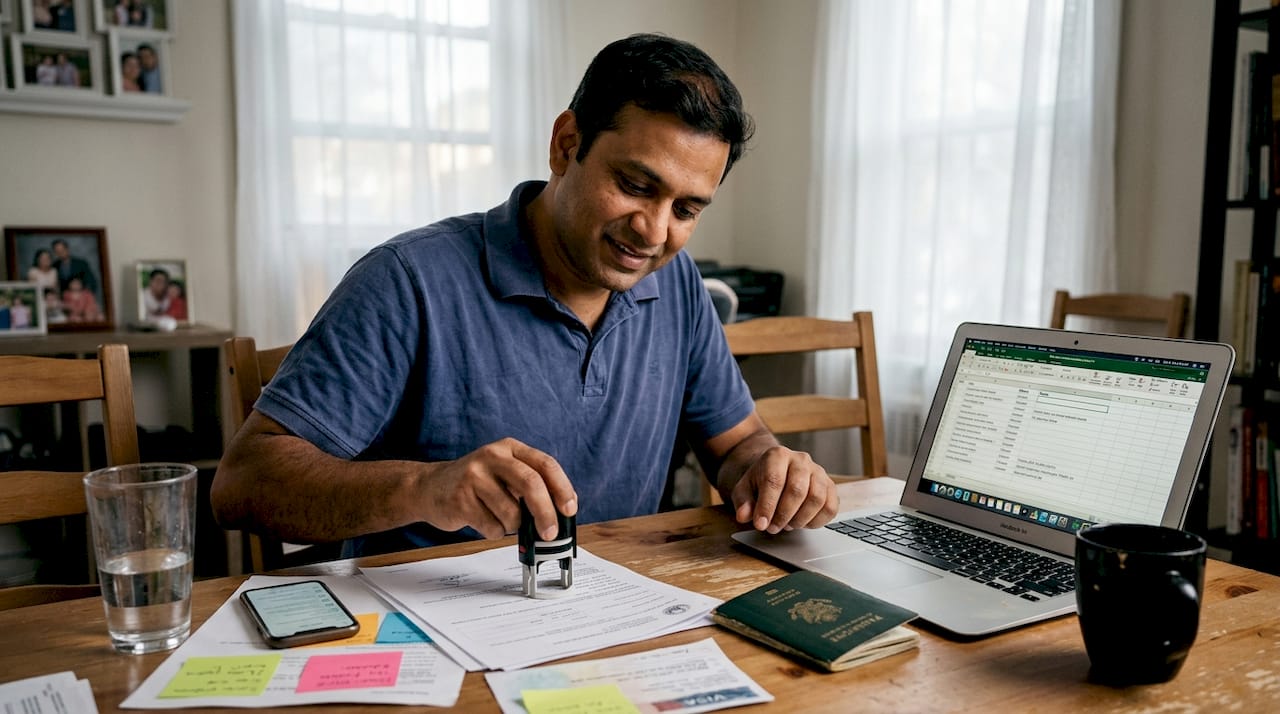
For expats, every foreign document must be attested by your home country’s relevant authority, then by the UAE embassy in your home country, and finally by the UAE Ministry of Foreign Affairs and International Cooperation (MOFAIC). That is three layers of stamping before your paperwork is even considered valid. You can check official UAE government guidance for the latest requirements by emirate.
Special cases worth noting: interfaith marriages (a Muslim man marrying a Christian or Jewish woman) require additional documentation. Polygamous marriages require proof that the existing wife or wives have been notified. Proxy marriages are generally not recognized.
Pro Tip: Start your document preparation at least 6 to 8 weeks before your intended wedding date. Attestation alone can take over a month for expats, and delays compound quickly.
Step-by-step process for Muslim marriage registration
With documents in hand, you are ready to move through the actual registration process. The good news is that the UAE has invested heavily in digital infrastructure, and much of this can now be handled online.
Here is the full process, in order:
Gather and verify all documents. Double-check every attestation stamp and translation. One missing seal can halt everything.
Complete the premarital medical test. Both partners must take this at an approved health center. Results are valid for 30 days, so time it carefully.
Register for premarital counseling if required in your emirate. Dubai, for example, requires this for some applicants.
Book your Nikah appointment. Use the Dubai Courts app, Abu Dhabi’s ADJD portal, or the UAE PASS app depending on your emirate. You can choose between a Mazoon (a licensed marriage officiant who can conduct the ceremony outside a court) or register directly through the Sharia court.
Attend the ceremony. The Wali, two male Muslim witnesses, and both partners must be physically present. The mahr amount is confirmed and recorded.
Receive your official marriage certificate. This is issued by the court and is the only document that carries legal weight.
The step-by-step legal UAE union process is well-documented, but timelines and fees vary. Here is a comparison of standard vs. expedited services:
Service type | Typical timeline | Approximate fee |
Standard registration | 3 to 6 weeks | AED 500 to 1,500 |
Expedited registration | 1 to 2 weeks | AED 1,500 to 3,000 |
The complete process breakdown also notes that a Nikah must be registered for legal recognition. A private ceremony, no matter how witnessed, is not valid for visas or sponsorship.
Pro Tip: Avoid scheduling your Nikah appointment during peak wedding months (October through February). Booking slots fill up fast, and processing times stretch longer during busy periods.
Special considerations for expats and foreign nationals
The process can feel different for expats and foreign nationals. Here is how to avoid unnecessary delays.
For UAE nationals, the paperwork is relatively contained. For expats, there are additional layers that catch many couples off guard. All foreign documents must be fully translated and attested before they are accepted by UAE authorities. This is not optional, and it is not fast.
Here is what the attestation chain typically looks like for expats:
Step 1: Get the document notarized in your home country.
Step 2: Have it attested by the relevant ministry in your home country (often the Ministry of Foreign Affairs).
Step 3: Get it stamped by the UAE embassy in your home country.
Step 4: Submit it to UAE MOFAIC for final attestation.
Step 5: Have it officially translated into Arabic by a UAE-licensed translator.
Delays of 1 to 2 months are typical when attestation is incomplete or done out of order. This is the single biggest reason expat couples miss their planned wedding dates. Most embassies also require you to obtain a certificate of single status (sometimes called a certificate of no impediment) from your home country before they will issue any marriage-related letter.
For expats weighing their options, it is worth knowing that Abu Dhabi offers a civil marriage route under Law No. 14 of 2021. This allows Muslim expats to marry under a civil framework that provides both religious and international legal recognition. You can explore the expat marriage options comparison to see which path fits your situation better.
Also note that delays relate mostly to attestation of overseas documents, not the UAE-side process itself. Once your paperwork is complete and correct, the local registration moves quickly.
After registration: Verifying and using your Islamic marriage certificate
Once you have completed your Nikah registration, here is what to do and check next.
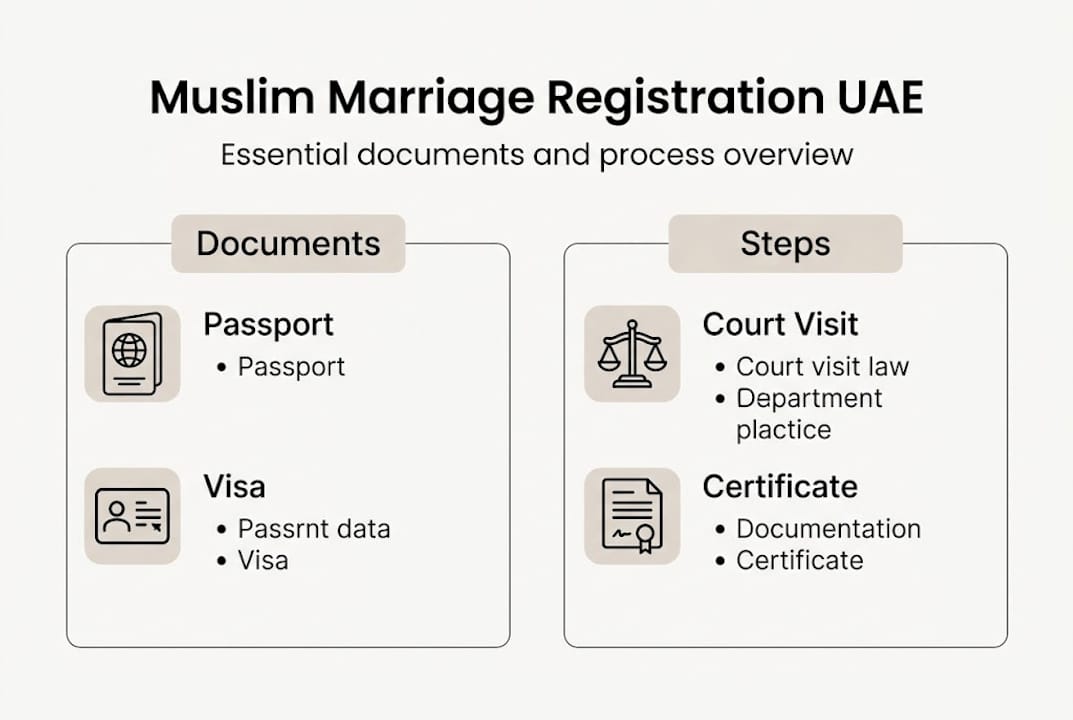
Your court-issued marriage certificate is your legal proof of marriage. Keep the original safe and make certified copies immediately. Here is how to verify its authenticity and put it to use:
Verify online. Most Sharia courts and the UAE Ministry of Justice (MOJ) offer digital verification portals where you can confirm your certificate is genuine using the document number.
Use it for visa sponsorship. The certificate is required to sponsor your spouse’s UAE residency visa. Without it, no government authority will process the application.
Use it for government paperwork. Birth registration for children, property ownership, and insurance all require a valid marriage certificate.
Cross-border recognition. If you plan to use the certificate in another country, you may need an apostille or additional legalization. Check with the target country’s embassy in the UAE.
If you find errors on the certificate, report them to the issuing court immediately. Minor errors (name spelling, date) can usually be corrected with supporting documents. Major errors may require a formal amendment process.
“A private Nikah, even with witnesses, is not legally valid for official paperwork in the UAE.”
This is not a technicality. Unregistered Nikah is not valid for visas or sponsorship, only the court certificate counts. Understanding the Islamic rules for marriage recognition helps you avoid costly assumptions.
What most couples miss about Muslim marriage registration in the UAE
Here is a hard truth we see repeatedly: couples spend months planning the Nikah celebration and days planning the legal registration. That imbalance creates real problems.
A private Nikah is religiously valid but not legally recognized until it is registered with the court. That means your spouse cannot be sponsored on your visa. Your children’s birth registration can be complicated. Your rights as a married couple do not exist on paper until that certificate is issued.
Expats consistently underestimate attestation timelines. We have seen couples arrive in the UAE with documents they assumed were ready, only to discover a missing stamp or an untranslated page. That single oversight pushed their registration back by six weeks.
The digital reforms the UAE has introduced since 2021 are genuinely useful. Online booking, digital verification, and the UAE PASS integration have removed a lot of friction. But digital tools only help if you are methodical. Use the 2026 UAE legal guide as your checklist and work backwards from your target date.
Pro Tip: Keep every government receipt, stamped document, and official correspondence in one folder, physical and digital. If an original is lost, some courts require you to restart the entire process from scratch.
Expert help for stress-free Muslim marriage registration
If the process still feels overwhelming, here is how to get expert support and avoid months of stress.
At Harris & Charms, we have guided hundreds of couples through Islamic and civil marriage registration in the UAE, including expats navigating multi-country attestation chains.

Our comprehensive marriage services include customized Islamic marriage packages, full document tracking, attestation coordination, and direct liaison with relevant courts and authorities. Whether your case is straightforward or involves cross-border complications, a consultation is the smartest first step. Reach out to contact the UAE marriage experts and let us take the paperwork off your plate so you can focus on what actually matters.
Frequently asked questions
Can a Muslim expat marry a non-Muslim in the UAE?
A Muslim man can marry a Christian or Jewish woman under UAE Sharia law, but a Muslim woman must marry a Muslim man. These religious limitations are strictly applied regardless of nationality.
How long does Muslim marriage registration take in the UAE?
The process typically takes 2 to 6 weeks, but expats should budget more time due to attestation requirements, which can add several weeks to the timeline.
Is Nikah by itself legal for residency and sponsorship?
No. An unregistered Nikah carries no legal status in the UAE. Only the official Sharia court marriage certificate is accepted for residency, sponsorship, or any government process.
What is the cost of Muslim marriage registration in the UAE?
Registration fees range from AED 500 to 3,000 depending on the emirate and whether you choose standard or expedited processing.
Can couples use the Abu Dhabi civil marriage route for international recognition?
Yes. Muslim expats in Abu Dhabi can use the civil marriage option under Law No. 14 of 2021, which provides both religious validity and international legal recognition.
Recommended
Comments