
Essential UAE Wedding Documents: Your Complete Guide


TL;DR:
Getting married in the UAE requires careful preparation of route-specific and emirate-specific documents, including valid passports, proof of marital status, and foreign document attestations.
Clear understanding of legal and religious requirements, along with early collection and translation of necessary paperwork, is essential to prevent delays.
Getting legally married in the UAE sounds romantic until you realize the paperwork can unravel everything if you approach it wrong. Many couples arrive at a marriage court or venue with a stack of documents, only to discover they’re missing one critical certificate or have the wrong translation. The reality is that document requirements differ by emirate and legal route, and no single checklist covers every couple’s situation. This guide cuts through the confusion, maps out what you actually need, and gives you a clear framework to build your personalized document plan.
Table of Contents
Choosing your wedding route: Civil vs. Islamic and emirate differences
Situational documents: What varies by emirate and wedding type
Side-by-side comparison: Emirate and route-specific document needs
Your UAE wedding document checklist: Step-by-step for smooth approval
The real secret to a stress-free UAE wedding: Document strategy over paperwork
Simplify your UAE wedding paperwork with professional support
Key Takeaways
Point | Details |
Match documents to your wedding route | Document requirements in the UAE shift by whether you’re using the civil or Islamic route—and by which emirate you choose. |
Core documents apply to all | Passports, residence proof, and marital-status certificates are required for nearly every wedding scenario in the UAE. |
Situational papers can surprise | Items like single-status or medical certificates are only sometimes needed; always confirm with your venue and route. |
Plan early for foreign documents | Non-UAE documents demand translation and legal attestation, which can add weeks to your preparation timeline. |
Personalize your checklist | Tailoring your list to your marriage route and emirate stops last-minute issues before they start. |
Choosing your wedding route: Civil vs. Islamic and emirate differences
Before you collect a single document, you need to answer two foundational questions: What type of marriage are you registering? And where in the UAE are you doing it? These two factors shape your entire document checklist, and skipping this step is where most couples go wrong.
Civil marriage is the primary option for non-Muslim residents and expats. It’s conducted under secular law and is not tied to religious ceremony. Most civil marriages for non-Muslims in the UAE take place under the Abu Dhabi Civil Marriage Law or through designated courts and licensed venues. The process is more standardized for foreigners but still requires careful document preparation.
Islamic (Sharia) marriage is the standard route for Muslim couples. It involves a religious ceremony officiated by a licensed Sharia judge and carries its own distinct set of requirements, including specific witnesses and a male guardian for the bride in many cases.
Then there’s the emirate factor. Abu Dhabi and Dubai are the most commonly used jurisdictions for marriage registration, but they each maintain slightly different procedures and checklists:
Abu Dhabi has a well-established civil marriage framework for non-Muslims, often requiring a medical fitness certificate and specific document formats.
Dubai has its own marriage courts and procedures, with specific rules about single-status documentation.
Other emirates like Sharjah, Ras Al Khaimah, and Fujairah may have additional local requirements or may route non-Muslim marriages through Abu Dhabi or Dubai courts.
Pro Tip: Before you do anything else, confirm your civil marriage eligibility and identify which emirate’s court or venue you plan to use. This single decision determines 80% of your document list.
The variation between emirates isn’t just bureaucratic detail. It genuinely affects timelines, costs, and whether you need to source additional paperwork from your home country. Treating this step as optional is the fastest way to delay your wedding.
Core wedding documents: Your universal must-haves
Having established why routes and emirates matter, let’s look at the documents every couple should expect to need. Regardless of whether you’re having a civil or Islamic wedding, and regardless of which emirate you choose, certain documents form the non-negotiable foundation of any UAE marriage registration.
Identity documents, proof of residence, and marital status are required for all UAE weddings. Here’s what that means in practice:
Valid passports for both spouses. These must be current and typically need to remain valid for at least six months beyond the ceremony date. You’ll need originals plus photocopies.
Valid Emirates ID or valid UAE residence visa. If you’re a resident, your Emirates ID is essential. If you’re visiting the UAE specifically to marry (in cases where that’s permitted), your entry visa documentation may substitute.
Proof of marital status. This is where many couples are caught off guard. You must prove you are legally free to marry. If you’ve never been married, you need a single-status (or “Certificate of No Impediment”) document. If you are divorced, you need your official divorce decree. If your previous spouse passed away, you need a death certificate.
Official Arabic translation of foreign documents. Any document issued outside the UAE that is not already in Arabic must be professionally translated by a UAE-licensed translator. This applies to birth certificates, passports, marital status proofs, and more.
Legal attestation of foreign-issued documents. Attestation is the process of getting your home country’s documents officially authenticated so UAE authorities recognize them as valid. This usually involves your home government, your country’s UAE embassy, and the UAE Ministry of Foreign Affairs.
“Missing a single attestation step on a foreign document is one of the most common reasons couples face delays at the marriage registration office. Build in extra time for this process.”
You can find a detailed breakdown of civil marriage requirements to understand exactly how these documents are submitted and formatted. The earlier you start collecting these, the smoother the process will be.
Situational documents: What varies by emirate and wedding type
Beyond universal requirements, let’s focus on what might impact your checklist depending on your circumstances. These are the documents that surprise couples most because they’re not always mentioned in general guides but become mandatory the moment your specific situation triggers them.
Medical tests, Wali requirements, and official translations are only mandatory depending on your venue and route. Here’s what to watch for:
Single-status certificate in Dubai. Dubai’s marriage courts typically ask for a formal Certificate of No Impediment from your home country’s embassy or government authority. This document confirms you are not currently married and are legally free to enter into a new marriage. It often needs its own attestation.
Medical fitness certificates. These are mandatory for Islamic marriages across the UAE. The test is conducted at government-approved health centers and checks for communicable diseases. For civil marriages of non-Muslim expats, this requirement is often waived but not always. Always verify with your specific court or venue.
Wali (male guardian) for the bride. This is a core requirement in Islamic marriage. The Wali must be a Muslim male relative (typically the father or brother) who formally consents to the marriage. If no Wali is available, a judge can act as a substitute Wali in some cases.
Two Muslim male witnesses. Islamic marriage contracts require at least two adult Muslim male witnesses who are present at the ceremony and sign the marriage contract.
No-objection letters. Some embassies require a letter from your employer or a UAE sponsor confirming they have no objection to your marriage. This is less common but worth checking with your embassy.
Pro Tip: Contact your home country’s embassy in the UAE before you start gathering documents. They often publish updated checklists for their nationals marrying abroad, and they can pre-confirm which documents need their authentication stamp.
Here’s a quick reference for which situational documents are typically triggered and when:
Document | Islamic marriage | Abu Dhabi civil | Dubai civil |
Single-status certificate | Sometimes required | Usually required | Almost always required |
Medical fitness certificate | Mandatory | Sometimes required | Rarely required |
Wali/guardian | Mandatory | Not required | Not required |
Two Muslim witnesses | Mandatory | Not required | Not required |
Embassy attestation on foreign docs | Required | Required | Required |
For a more detailed look at how these requirements apply to foreign nationals, check out the marriage steps for expats guide, which breaks down the process country by country. The civil marriage requirements guide also covers submission formats that differ between courts.
Side-by-side comparison: Emirate and route-specific document needs
To save you time, here’s a practical look at what each scenario actually requires, side by side. This comparison is especially useful if you’re still deciding where to register your marriage or are comparing your options.
A comparative guide shows clearly how single-status and medical certificates differ by emirate and route. Use this table to identify your column and build your checklist accordingly:
Requirement | Abu Dhabi civil | Dubai civil | Islamic (any emirate) |
Valid passport | ✓ Required | ✓ Required | ✓ Required |
Emirates ID or visa | ✓ Required | ✓ Required | ✓ Required |
Marital status proof | ✓ Required | ✓ Required | ✓ Required |
Single-status certificate | ✓ Usually required | ✓ Almost always required | Situational |
Medical fitness certificate | Sometimes required | Rarely required | ✓ Mandatory |
Wali (male guardian) | Not required | Not required | ✓ Mandatory |
Two Muslim witnesses | Not required | Not required | ✓ Mandatory |
Arabic translation of foreign docs | ✓ Required | ✓ Required | ✓ Required |
Legal attestation of foreign docs | ✓ Required | ✓ Required | ✓ Required |
No-objection letter | Situational | Situational | Situational |
This table reflects general practice, but procedures can shift. Always verify current requirements with the relevant court, licensed venue, or a professional service before you submit. For a closer look at the full legal marriage process UAE couples typically follow, the step-by-step breakdown helps you map your timeline from start to finish.
Your UAE wedding document checklist: Step-by-step for smooth approval
With all the options and distinctions clear, here’s how to actually get it done with minimal stress. This sequence works whether you’re a first-time expat couple or someone who’s been through the process before in another country.
Choosing your wedding route and venue first is the smartest framework for building your document list and avoiding surprises. Follow these steps in order:
Decide on your ceremony type and emirate. Civil or Islamic? Abu Dhabi, Dubai, or elsewhere? This decision unlocks your specific document list and prevents wasted effort.
Collect core identity documents. Gather both passports, Emirates IDs or valid visas, and any existing marital status documents (prior divorce decrees or death certificates if applicable).
Obtain your marital status certificate. If you’ve never been married, contact your home country’s relevant authority or embassy to request a single-status or Certificate of No Impediment. This process can take several weeks in some countries.
Get foreign documents attested. Submit your foreign-issued documents for attestation through your home country’s government, then your embassy in the UAE, then the UAE Ministry of Foreign Affairs. Budget at least three to four weeks for this.
Arrange Arabic translations. Any non-Arabic document needs certified translation. Use only UAE-licensed translation services to ensure acceptance.
Clarify situational requirements with your court or venue. Ask specifically about medical fitness tests, Wali availability (if Islamic), witness arrangements, and whether any additional letters or certificates are needed.
Prepare proper copies. Courts typically require original documents plus multiple certified photocopies. Confirm exact copy requirements before you visit.
Submit and follow up. Submit your full package and track the status. Some courts have online portals; others require in-person follow-up.
Pro Tip: Create a simple spreadsheet with each document, its current status (not started, in progress, obtained, attested), and the deadline for submission. Understanding why civil marriage is required for expats adds another layer of clarity to why getting this process right the first time matters so much legally and practically.
The attestation phase consistently causes the most delays. If any of your documents were issued in countries with slower bureaucratic systems, start that process immediately after you confirm your wedding route and emirate.
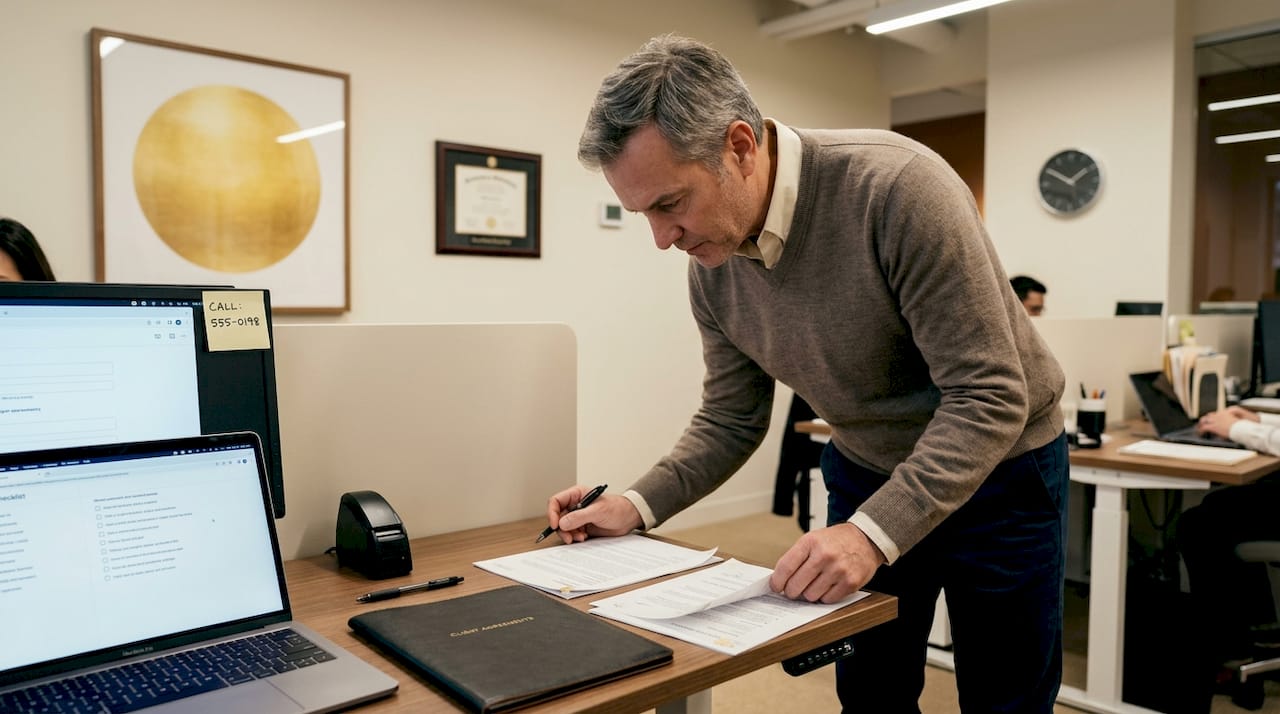
The real secret to a stress-free UAE wedding: Document strategy over paperwork
Here’s a perspective most wedding guides don’t offer: the paperwork itself isn’t the hard part. The hard part is the assumption trap.
Most couples arrive at this process having Googled “UAE wedding documents” and found a generic list. They follow it faithfully and then discover that their specific combination of nationality, chosen emirate, ceremony type, and prior marital history doesn’t match the generic list at all. The frustration isn’t caused by too much paperwork. It’s caused by the wrong paperwork, or paperwork prepared for the wrong route.
We’ve seen couples go through full attestation on documents that weren’t even required for their chosen court, wasting weeks and money. We’ve also seen couples skip a medical fitness certificate because “they read it wasn’t needed,” only to find their specific Islamic venue insisted on it. Local court procedures shift. Embassy requirements get updated without much publicity. What worked for a friend two years ago may not work for you today.
The most effective mindset shift is to treat your wedding document preparation like a project plan, not a shopping list. Start with your route and venue. Map every requirement to that specific scenario. Call ahead. Confirm in writing if you can. Then execute methodically.
The legal benefits for expats who register their marriage correctly in the UAE are real and significant: spousal visa sponsorship, shared tenancy rights, recognized next-of-kin status, and more. These aren’t just formalities. Getting the documents right is what makes all of those legal benefits accessible.
Treat your checklist as living documentation. Update it as you confirm each requirement. That single habit eliminates 90% of the last-minute panic we see from couples who treated wedding paperwork as a one-time task rather than an active process.
Simplify your UAE wedding paperwork with professional support
Navigating UAE marriage documentation on your own is absolutely possible, but even one missed requirement can push your ceremony date back by weeks.
At Harris & Charms, we specialize in helping couples like you build the exact document checklist their situation requires, review submissions before they’re filed, and handle coordination with courts and translation services so nothing slips through. Whether you’re interested in our Dubai civil marriage packages or want to explore the full range of UAE marriage services we offer, we tailor every engagement to your specific route, nationality, and emirate. No generic advice, no guesswork. Contact our team today to get started with a personalized consultation.
Frequently asked questions
Do we need a single-status certificate to marry in the UAE?
A single-status certificate is required for most civil weddings, especially in Abu Dhabi or for non-Muslim foreigners, but rules differ by emirate and wedding type, so always confirm with your specific court.
Are medical fitness certificates always necessary?
Medical fitness certificates are mandatory for Islamic marriages but are often not required for civil marriages of non-Muslim expats in Abu Dhabi or Dubai, though some venues may still request them.
What if my documents are not in Arabic?
Documents issued outside the UAE must be officially translated into Arabic by a UAE-licensed translator and legally attested before they will be accepted by any UAE marriage authority.
Can expats get married in any emirate, or only where they reside?
Most emirates allow expats to marry regardless of where they live in the UAE, but some documentation requirements vary depending on the emirate and the specific court or venue you select.
How far in advance should we prepare our documents?
Start collecting and attesting your documents at least one to two months before your planned ceremony date, since foreign document attestation alone can take three to four weeks or longer.
Recommended
Comments