
Marriage Certificate Attestation UAE: 40% Delay Causes Explained

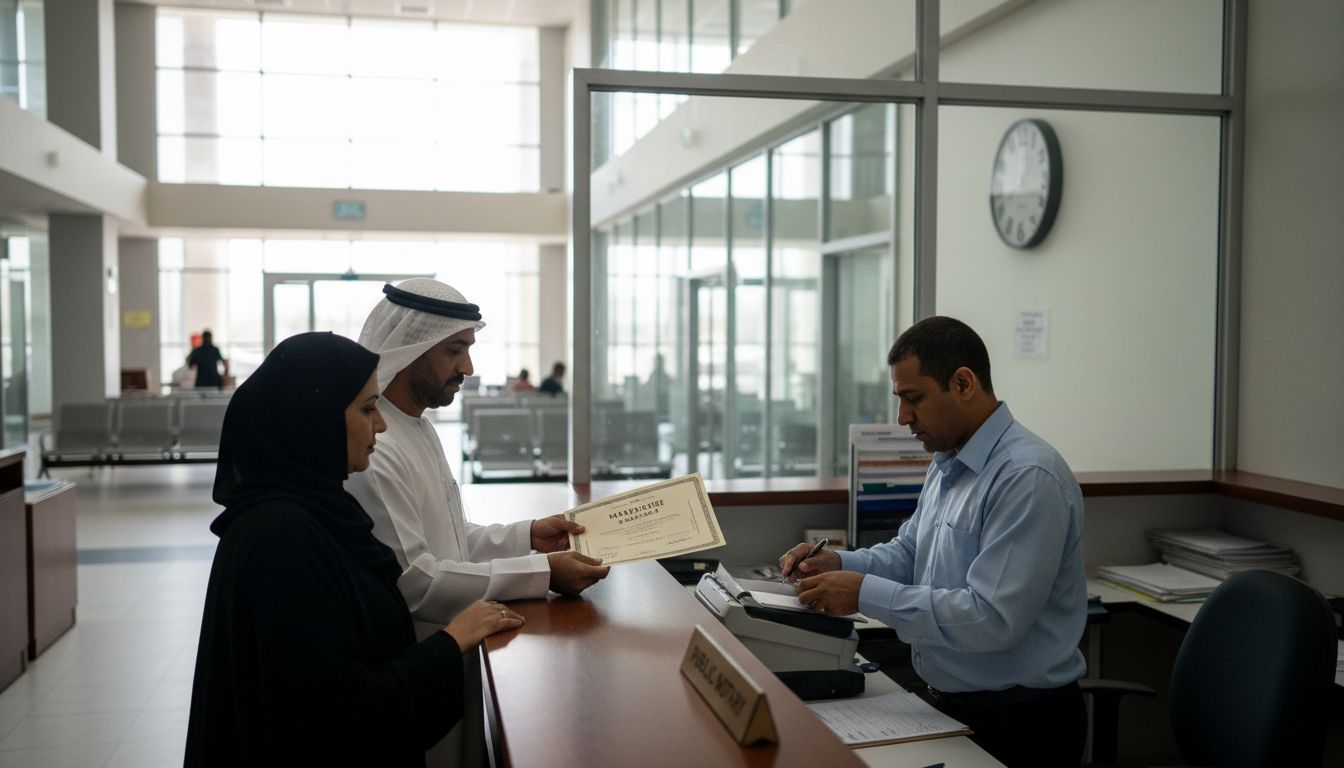
Many couples mistakenly believe marriage certificate attestation in the UAE is optional, leading to serious legal complications. If you're looking for marriage certificate attestation explained, this guide breaks down the entire process in a clear and practical way. Whether you’re planning a civil or Islamic wedding, understanding attestation requirements protects your marriage’s legal standing. It also addresses common misconceptions and provides step-by-step guidance to help ensure your union gains proper recognition without costly delays.
Table of Contents
Key Takeaways of Marriage Certificate Attestation Explained
Point | Details |
Attestation is mandatory | Both local and foreign marriage certificates require official authentication for UAE legal recognition. |
Multiple government approvals needed | The process involves home country ministries, embassies, and UAE Ministry of Foreign Affairs depending on certificate origin. |
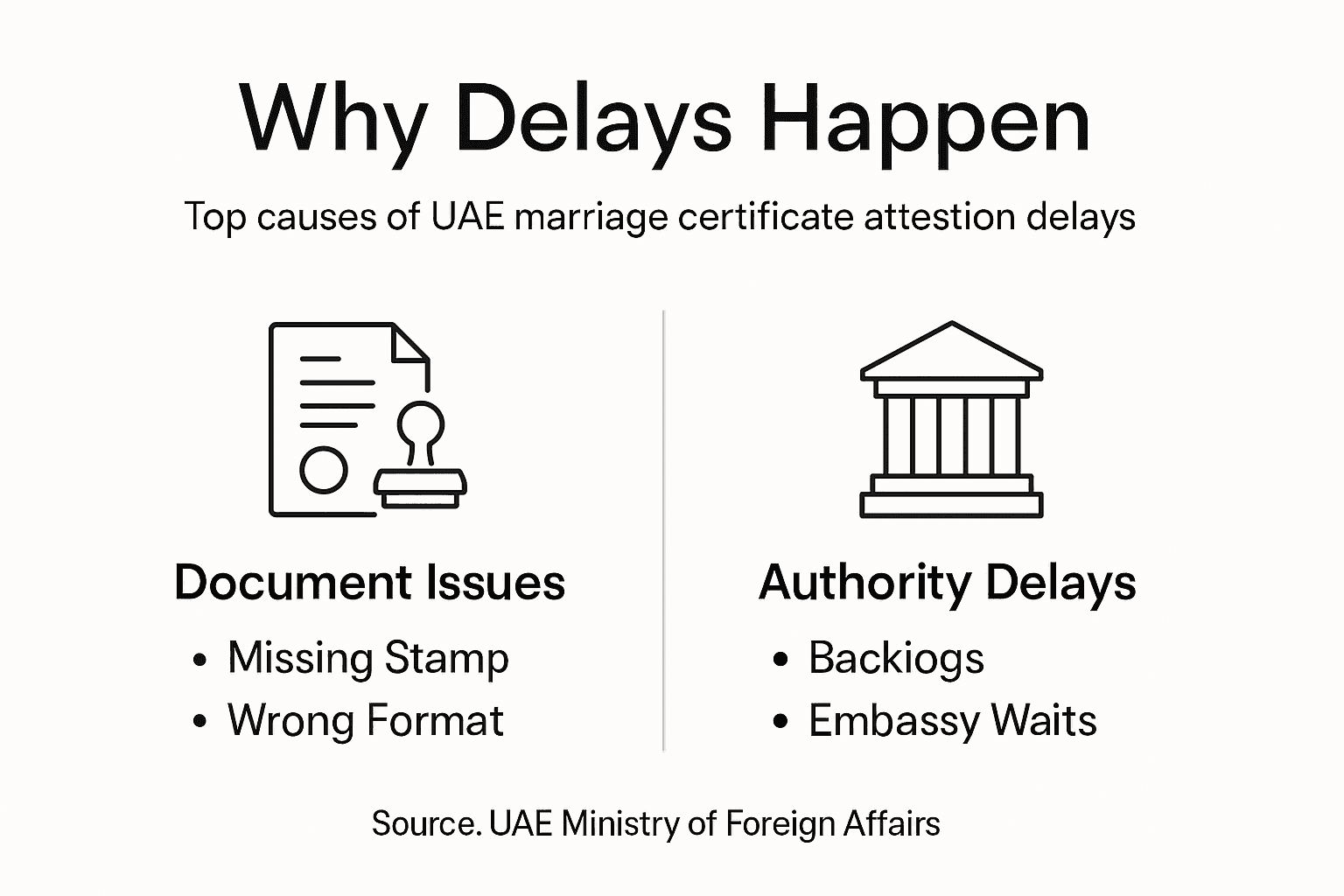
Incomplete documents cause 40% delays | Missing signatures, stamps, or skipped steps extend processing time significantly. |
Civil and Islamic marriages differ | Each marriage type follows distinct attestation procedures through specific UAE authorities. |
Legal consequences are serious | Unattested certificates create visa problems, inheritance disputes, and unrecognized marital status. |
Understanding Marriage Certificate Attestation in the UAE
Attestation authenticates your marriage certificate’s legitimacy through official government verification. Attestation validates a marriage certificate’s authenticity and is required for legal recognition in UAE. Without it, your marriage exists on paper but lacks official standing for critical matters like spouse visas, property ownership, or inheritance rights.
The process differs dramatically based on where your certificate originates. Foreign certificates issued outside the UAE follow one attestation path, while local UAE certificates follow another. Both require multiple governmental approvals to confirm document authenticity.
Key distinctions include:
Foreign certificates need home country authentication before UAE processing
Local UAE certificates require emirate court validation plus MOFA approval
Islamic marriage certificates follow religious authority channels in addition to civil requirements
Timeline and costs vary significantly between certificate types
Think of attestation as your marriage certificate’s passport. Just as you need visa stamps to travel internationally, your certificate needs official stamps to gain legal acceptance across different jurisdictions. Skipping this step leaves your marriage in legal limbo, creating complications when you need official recognition most.
Step-by-Step Attestation Process for Civil and Islamic Marriages
The attestation journey varies based on certificate origin and marriage type. Foreign marriage certificates require at least three stages of attestation, including home country authentication, embassy attestation, and UAE Ministry of Foreign Affairs approval.
For Foreign Marriage Certificates:
Obtain notarized copies from the issuing authority in your home country
Submit to your home country’s Ministry of Foreign Affairs for authentication
Present authenticated document to UAE embassy or consulate in your home country
Upon arrival in UAE, submit to Ministry of Foreign Affairs for final attestation
Receive stamped certificate ready for official UAE use
For Local UAE Marriage Certificates:
Obtain original certificate from the emirate marriage court or department
Submit to the issuing emirate’s judicial department for verification
Present to UAE Ministry of Foreign Affairs for federal level attestation
Collect fully attested certificate within 3 to 5 business days typically
Islamic Marriage Distinctions:
Islamic marriages performed in UAE require attestation through Sharia courts in addition to standard civil processes. The imam or authorized religious official must provide documentation to the local Sharia court, which then issues an official certificate eligible for MOFA attestation.
Timeline expectations range from 2 weeks for straightforward local certificates to 6 weeks or more for complex foreign documents. Fees vary by emirate and certificate origin, typically ranging from AED 150 to AED 500 per attestation stage.

Pro Tip: Start the attestation process immediately after receiving your marriage certificate. Waiting until you need it for visa applications or other urgent matters creates unnecessary stress and potential complications. Many couples also benefit from understanding affidavit requirements that may apply to their specific situation.
Key Documents and Authorities Involved in Attestation
Successful attestation requires precise documentation and engagement with multiple governmental bodies. UAE Ministry of Foreign Affairs, embassies, and marriage departments play key roles in the multi-tier attestation process.
Essential Documents:
Original marriage certificate issued by authorized authority
Passport copies of both spouses showing valid visa status
Emirates ID copies for UAE residents
Previous attestation stamps from home country if applicable
Completed application forms specific to each authority
Passport-sized photographs as specified by processing office
Governmental Authorities:
The UAE Ministry of Foreign Affairs serves as the final federal attestation authority for all certificates. Before reaching MOFA, your documents need validation from issuing sources. For foreign certificates, this means your home country’s foreign ministry and UAE embassy abroad. For local certificates, the issuing emirate’s judicial department provides initial authentication.
Embassies verify that documents from their countries are genuine and properly executed. This step cannot be skipped for foreign certificates. The embassy’s role is confirming your certificate matches records in your home country’s system.
Civil marriage attestation focuses on secular governmental authorities, moving through administrative channels. Islamic marriage attestation adds religious judicial oversight through Sharia courts, which validate the Islamic legal requirements were properly fulfilled during the marriage ceremony.
Document completeness directly impacts processing speed. Missing a single required stamp or signature sends your application back to square one, adding weeks to the timeline.
Common Misconceptions and Legal Implications
Misunderstandings about attestation create serious problems for couples. Let’s correct the most damaging myths and explain real legal consequences.
Myth 1: Attestation Only Matters for Foreign Certificates
Many couples believe UAE-issued certificates automatically hold legal weight everywhere. False. Even local certificates need MOFA attestation for recognition across emirates and in legal proceedings. Your Dubai marriage certificate isn’t automatically valid in Abu Dhabi courts without proper attestation.
Myth 2: Embassy Attestation Can Be Skipped
Skipping embassy attestation leads to invalid foreign marriage certificates in UAE. No exceptions exist. The embassy step verifies your document’s authenticity in a way UAE authorities cannot do independently for foreign documents.
Myth 3: Attestation Is Just Bureaucratic Paperwork
This misconception causes the most damage. Attestation establishes legal proof of marriage for:
Spouse visa and residency permit applications
Property ownership and inheritance rights
Health insurance family coverage
Bank account and loan applications
Child custody and parental rights documentation
Emergency medical decision-making authority
Without proper attestation, you face visa rejections, inheritance disputes where surviving spouses lose property rights, and situations where hospitals won’t recognize spousal medical authority. These aren’t theoretical risks but common complications documented by legal professionals.
“An unattested marriage certificate holds no legal weight in UAE courts or government offices, regardless of its validity in the issuing country.”
The financial and emotional costs of retroactive attestation far exceed the upfront investment in doing it properly. Couples sometimes spend years resolving legal tangles that proper initial attestation would have prevented entirely.
Comparative Overview: UAE vs GCC Attestation Requirements
Understanding regional differences helps expats navigate moves within the Gulf region and appreciate UAE-specific requirements.
Aspect | UAE | Saudi Arabia | Qatar | Kuwait |
Embassy attestation required | Yes, mandatory | Yes, mandatory | Optional for GCC nationals | Yes for non-GCC |
MOFA attestation stages | Two-tier (emirate + federal) | Single ministry | Single ministry | Single ministry |
Islamic marriage special process | Sharia court required | Sharia court required | Combined civil/religious | Religious authority optional |
Typical processing time | 3-6 weeks | 2-4 weeks | 2-3 weeks | 2-4 weeks |
Acceptance of GCC certificates | Requires attestation | Limited recognition | Limited recognition | Limited recognition |
The UAE’s multi-tier system reflects its federal structure where each emirate maintains judicial independence while coordinating through federal MOFA oversight. This creates additional steps compared to the centralized systems in Saudi Arabia, Qatar, and Kuwait.
GCC nationals moving between Gulf countries often assume their attested certificates transfer automatically. They don’t. Each country requires its own attestation process, though bilateral agreements sometimes streamline certain steps.
Expats relocating from UAE to other GCC countries must restart attestation in the new location. Your UAE-attested certificate proves marriage validity but needs fresh attestation by the new country’s authorities. Plan for this when considering regional job moves to avoid last-minute complications with visa transfers.
Practical Tips to Expedite Attestation and Avoid Delays
Smart preparation dramatically reduces processing time and rejection risk. Incorrect or incomplete submissions cause average delays of 20 to 40% in processing times.
Before Submission:
Create a checklist matching your specific certificate type and marriage form
Obtain multiple certified copies of your original certificate before starting
Verify all signatures are clear, legible, and match authorized signatory lists
Confirm stamps include complete dates and official seals without smudging
Check passport validity extends at least six months beyond application date
During Processing:
Track your application through each stage using reference numbers provided. Contact authorities proactively if processing exceeds stated timelines. Many offices provide online tracking systems that show exactly which desk currently holds your file.
Consider digital attestation services where available. The UAE government increasingly offers electronic verification for certain document types, cutting processing time significantly. Check MOFA’s website for eligible categories.
Common Mistakes to Avoid:
Submitting photocopies when originals are specified
Missing required translations for non-English or non-Arabic certificates
Incomplete application forms with blank mandatory fields
Wrong fee payments that bounce applications back
Expired passport copies that invalidate the entire submission
Pro Tip: Have a legal professional review your complete document package before submission. The small upfront cost prevents expensive delays and re-submissions. Many attestation delays stem from easily preventable errors that trained eyes catch immediately.
Double-check that every required authority has stamped and signed your documents. A missing stamp from any step invalidates the entire chain and requires starting over from that point.
Summary: Ensuring Your Marriage is Legally Recognized in the UAE
Marriage certificate attestation isn’t optional bureaucracy but essential legal protection. The process authenticates your union for UAE government recognition, enabling spouse visas, property rights, inheritance claims, and numerous civil benefits.
Key points to remember:
Follow distinct attestation paths for local versus foreign certificates carefully
Include all required governmental approvals without skipping embassy steps
Avoid common misconceptions that lead to legal complications and delays
Use comprehensive checklists and consider professional services for complex cases
Start attestation immediately after receiving your marriage certificate
Proper attestation protects your legal rights and your spouse’s status in the UAE. The investment of time and money now prevents far costlier problems later. Whether you’re planning a civil ceremony or Islamic wedding, understanding legal recognition requirements ensures your marriage stands on solid legal ground from day one.
The complexity of multi-tier attestation processes makes expert guidance valuable. Couples who approach attestation methodically and completely save themselves months of potential delays and thousands of dirhams in corrective legal work.
Simplify Your Marriage Certificate Attestation with Harris N Charms
Navigating UAE marriage attestation requirements becomes straightforward with expert support. Harris N Charms specializes in civil marriage packages and Islamic wedding services throughout Dubai and the UAE, handling complex documentation so you can focus on celebrating your union.

Our team guides couples through every attestation stage, from initial document preparation through final MOFA approval. We coordinate with embassies, courts, and government offices, ensuring nothing falls through the cracks. Whether you need professional marriage attestation assistance for a foreign certificate or local UAE documentation, we streamline the entire process.
Using experienced wedding planners familiar with UAE legal requirements reduces errors and processing time significantly. Let us handle the bureaucracy while you enjoy your engagement and wedding planning.
Frequently Asked Questions About Marriage Certificate Attestation in the UAE
Is attestation required for all UAE marriages?
Yes, attestation is mandatory for both local UAE marriages and foreign marriages to gain legal recognition. Even if you married in Dubai, your certificate needs MOFA attestation for use in Abu Dhabi courts or federal government offices. Foreign certificates require additional embassy attestation in the issuing country before UAE processing.
How long does the attestation process usually take?
Local UAE certificates typically take 3 to 5 business days through emirate courts and MOFA. Foreign certificates require 4 to 6 weeks minimum, including home country authentication, embassy processing, and UAE MOFA approval. Complex cases with multiple countries involved can extend to 8 weeks or longer depending on each authority’s processing speed.
Can I attest my foreign marriage certificate without visiting UAE embassy?
No, embassy attestation in your home country is mandatory for foreign certificates and cannot be completed remotely or skipped. The UAE embassy must physically verify and stamp your authenticated home country document. Some countries offer courier services to embassies, but the embassy attestation step itself remains required with no exceptions.
What happens if I fail to attest my marriage certificate?
Unattested certificates cause spouse visa rejections, property ownership complications, and inheritance disputes where surviving spouses lose legal rights. Banks refuse family account applications, insurance companies deny spousal coverage, and courts don’t recognize marital status in legal proceedings. Retroactive attestation is possible but creates significant delays and complications when you urgently need legal proof of marriage.
Are attestation requirements different for Islamic marriages?
Islamic marriages in the UAE require Sharia court validation in addition to standard civil attestation procedures. The religious marriage contract must be registered with the local Sharia court, which issues an official certificate. This certificate then follows the same MOFA attestation process as civil marriages, but the initial religious court step adds time and documentation requirements specific to Islamic unions.
Recommended
Comments