
Civil vs Islamic Marriage – Impact on UAE Expats


Most American and international expats in the United Arab Emirates find that navigating local marriage laws can be surprisingly intricate. The choice between Islamic and civil marriage frameworks directly shapes legal rights and emotional well-being for couples starting their life together. By understanding the distinct requirements and cultural significance associated with each option, expat partners can make informed decisions that protect their relationship and future mobility. One critical fact is that nearly 60 percent of expatriate couples seek expert guidance before choosing their marriage path.
Table of Contents
Key Takeaways
Point | Details |
Civil and Islamic Marriage Types | Expats in the UAE can choose between civil marriage, a secular contract, and Islamic marriage, which follows Sharia law. Understanding these pathways is essential for legal recognition and cultural implications. |
Legal Documentation Requirements | Different marriage types require varying documentation, including government-issued certificates for civil marriages and religious certifications for Islamic marriages. Prepare all necessary documents in advance to facilitate compliance. |
Consult Legal Professionals | It is crucial to consult with legal experts to navigate the complex marriage regulations in the UAE and ensure compliance with local laws based on personal circumstances. |
International Recognition Challenges | Civil marriages generally offer broader international recognition, while Islamic marriages may face additional hurdles in various jurisdictions. Consider potential implications for global mobility when choosing a marriage type. |
Civil vs Islamic marriage explained
Marriage in the United Arab Emirates represents a complex landscape where cultural, religious, and legal traditions intersect, offering expats two primary pathways: civil marriage and Islamic marriage. Understanding the nuanced differences between these marriage types becomes crucial for international couples navigating the UAE’s legal framework. While both forms provide legal recognition, they fundamentally differ in their procedural requirements, cultural significance, and underlying philosophical approaches.
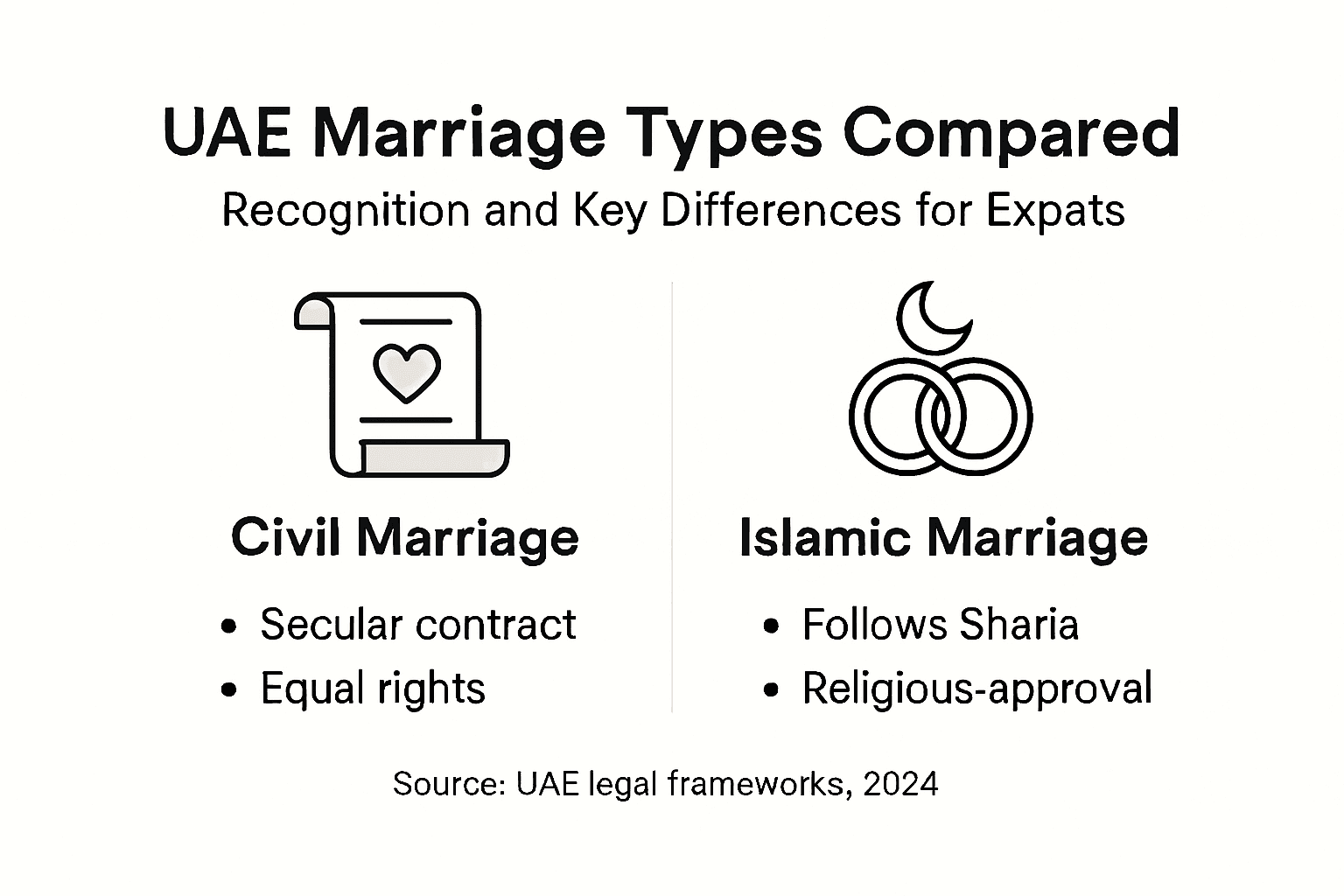
A civil marriage in the UAE represents a secular legal contract primarily focused on establishing official partnership rights. It is designed to provide clear legal protections and responsibilities regardless of religious background, emphasizing equal legal standing for all couples. Conversely, an Islamic marriage operates within the framework of Sharia law, incorporating religious ceremonies and cultural traditions that extend beyond mere legal documentation. The Islamic marriage typically involves a nikah ceremony, which includes specific religious rituals and the establishment of a dowry (mahr) as a foundational component of the marital agreement.
Key distinctions between civil and Islamic marriages in the UAE include:
Legal Recognition: Civil marriages offer straightforward legal documentation for all couples
Cultural Context: Islamic marriages integrate deep religious and cultural traditions
Ceremony Requirements: Civil marriages focus on official registration, while Islamic marriages involve specific religious protocols
Documentation: Civil marriages prioritize state-issued documentation, Islamic marriages incorporate religious certification
Pro tip: Before deciding between civil and Islamic marriage, consult with legal professionals who specialize in UAE marriage regulations to understand the specific implications for your unique situation.
To help clarify the options, here’s a side-by-side comparison of civil and Islamic marriage in the UAE:
Aspect | Civil Marriage | Islamic Marriage |
Legal Basis | UAE secular civil law | Sharia law and traditional practices |
Ceremony | Simple official registration | Religious rituals (nikah, mahr) |
Religious Requirement | None—open to all faiths | Requires at least one Muslim partner |
Primary Documentation | Government-issued marriage certificate | Religious and civil documentation |
International Recognition | Broad acceptance worldwide | Recognition varies by country |
Cultural Significance | Minimal cultural elements | Deeply rooted in religious tradition |
Key legal frameworks and eligibility
The United Arab Emirates presents a unique legal landscape for marriage, where legal frameworks blend traditional Islamic principles with modern civil law approaches. For expats navigating marriage requirements, understanding the intricate legal structures becomes essential. The UAE’s legal system fundamentally differentiates between marriage regulations for Muslim and non-Muslim couples, with each group subject to distinct procedural and documentation requirements.
Muslim marriages are predominantly governed by Sharia law, which establishes specific eligibility criteria and ceremonial requirements. These regulations typically mandate mutual consent, prohibition of coercion, and adherence to religious guidelines regarding familial relationships. Islamic marriage processes involve comprehensive documentation, including proof of religious identity, marital status, and compliance with traditional legal standards. Non-Muslim couples, conversely, can pursue civil marriages that follow more secular legal protocols, providing flexibility for international residents while maintaining strict legal documentation standards.
Key eligibility requirements across marriage types include:
Age Restrictions: Minimum marriage age of 18 for both partners
Consent: Mandatory free and voluntary agreement from both parties
Documentation: Valid identification, passport, residency permits
Medical Certificates: Premarital health screening
Marital Status Verification: Proof of being unmarried or legally divorced
The legal process for marriage registration varies significantly between emirates, with federal guidelines providing overarching frameworks while local jurisdictions maintain specific administrative procedures. Expatriate couples must carefully navigate these nuanced legal requirements, often necessitating professional legal consultation to ensure full compliance.
Pro tip: Always obtain certified translations of all international documents and consult with a local marriage registration expert to understand the specific requirements for your unique nationality and personal circumstances.
For quick reference, here is a summary of the main legal and procedural factors affecting expatriate marriages in the UAE:
Key Factor | Relevance for Expats | Action Item |
Marriage Type | Must align with couple’s background | Determine eligibility early |
Documentation | Intensive and may need translation | Prepare certified copies in advance |
Ceremony Protocol | Varies substantially by type | Learn steps for chosen framework |
International Use | Affects future mobility | Secure all necessary legal stamps |
Process, documentation, and ceremony steps
Navigating marriage procedures in the United Arab Emirates requires a comprehensive understanding of two distinct pathways: Islamic marriage and civil marriage. Each approach involves unique ceremonial traditions, documentation requirements, and legal protocols that expatriate couples must carefully navigate. The complexity of these processes underscores the importance of thorough preparation and expert guidance throughout the marriage journey.
For Islamic marriages, the traditional process involves several intricate steps beginning with the khitbah (formal proposal) and progressing through specific ceremonial stages. Civil marriage processes in the UAE offer a more streamlined approach, focusing on legal documentation and official registration. The nikah ceremony, central to Islamic marriages, represents a profound religious contract involving mutual consent, witnessed declarations, and the establishment of a dowry (mahr). This ceremony typically requires the presence of an imam, witnesses, and involves detailed documentation of both partners’ religious and personal identities.
Key documentation requirements for marriage in the UAE include:
Personal Documents:
Valid passport
Residency visa
Birth certificate
Passport-sized photographs
Legal Verification Documents:
No objection certificate
Marital status certificate
Premarital medical fitness certificate
Additional Requirements for Specific Scenarios:
Divorce or widowhood certificates (if applicable)
Translated and authenticated international documents
The ceremonial aspects differ significantly between Islamic and civil marriages. Islamic marriages incorporate rich cultural traditions, including the walimah (wedding reception), while civil marriages prioritize legal formalities. Expatriate couples must obtain necessary approvals from their respective embassies, complete mandatory medical screenings, and ensure all documentation meets UAE government standards.
Pro tip: Engage a professional marriage registration service to help navigate the complex documentation requirements and ensure smooth processing of your marriage paperwork in the UAE.
Rights, obligations, and dissolution rules
Marriage in the United Arab Emirates creates a complex legal landscape of rights and responsibilities that differ significantly between Islamic and civil marriage frameworks. Expatriate couples must understand the nuanced obligations that emerge from their chosen marriage type, as these fundamentally impact property rights, financial responsibilities, and potential dissolution processes. The legal protections and expectations vary dramatically based on the type of marriage contract and the specific religious or civil jurisdiction governing the union.

Civil marriage legal processes in the UAE provide a more standardized approach to marital rights, offering equal legal standing for both partners regardless of religious background. Islamic marriages, conversely, follow Sharia law principles that establish distinct spousal obligations rooted in traditional religious interpretations. Key differences emerge in areas such as financial support, inheritance rights, child custody, and the mechanisms for marriage termination. The talaq (husband-initiated divorce) and khul (wife-initiated divorce) represent specific Islamic legal mechanisms that fundamentally differ from civil divorce procedures.
Key rights and obligations across marriage types include:
Financial Responsibilities:
Mutual financial support
Property ownership rights
Inheritance entitlements
Personal Rights:
Spousal maintenance
Protection from abuse
Equal legal representation
Dissolution Considerations:
Waiting periods (iddah)
Child custody arrangements
Asset division protocols
The dissolution of marriage in the UAE requires navigating intricate legal pathways that depend on the original marriage contract. Islamic marriages involve specific religious protocols, including mandatory reconciliation attempts and waiting periods, while civil marriages follow more straightforward legal separation procedures. Expatriate couples must be particularly careful, as international marriages can introduce additional complexity in rights enforcement and legal recognition.
Pro tip: Consult with a specialized international marriage attorney who understands both UAE local laws and your home country’s legal framework to fully protect your rights throughout the marriage process.
Comparing recognition and international use
Navigating international marriage recognition represents a critical consideration for expatriates in the United Arab Emirates, where legal complexities can significantly impact personal and professional mobility. The distinction between Islamic and civil marriages creates unique challenges for couples seeking global legal acknowledgment of their union. Understanding the nuanced differences in international recognition becomes paramount for expatriates planning their future across multiple jurisdictions.
Civil marriage processes in the UAE offer more straightforward international recognition, providing a standardized legal documentation approach that aligns with global administrative requirements. Islamic marriages, while legally binding within the UAE, often necessitate additional documentation and civil registration to ensure comprehensive international acknowledgment. The critical differentiator lies in the legal frameworks that determine marriage validity beyond the UAE’s borders, with civil marriages typically enjoying more universal acceptance across different national legal systems.
Key international recognition considerations include:
Documentation Requirements:
Civil marriage certificates
Authenticated translations
Apostille or legalization stamps
Global Legal Validity:
Immigration documentation
Visa application processes
International property rights
Potential Challenges:
Varying country-specific marriage recognition policies
Additional certification requirements
Potential need for supplementary legal documentation
Expats must carefully evaluate the long-term implications of their marriage type, considering potential relocations, professional opportunities, and family planning. The choice between Islamic and civil marriage extends beyond ceremonial preferences, directly impacting legal recognition, immigration processes, and personal mobility across international boundaries. Careful documentation and strategic legal planning become essential for ensuring seamless recognition of marital status worldwide.
Pro tip: Obtain multiple certified copies of your marriage certificate and consider consulting an international legal specialist who can guide you through potential cross-border recognition challenges.
Common challenges and what to avoid
Expatriate couples in the United Arab Emirates encounter a complex legal and cultural minefield when navigating marriage options, with numerous potential pitfalls that can significantly impact their personal and professional lives. The intersection of religious traditions, legal frameworks, and international expectations creates a challenging landscape that demands careful navigation and strategic planning. Understanding these potential challenges becomes crucial for couples seeking to establish a stable and legally recognized partnership.
Civil marriage processes in the UAE offer a more standardized approach, but expatriates must remain vigilant about potential complications. Islamic marriages introduce additional layers of complexity, particularly for international couples with diverse cultural backgrounds. The critical risk areas include misunderstandings about legal rights, documentation challenges, and potential conflicts between religious and civil legal frameworks that can create unexpected obstacles in marriage registration, personal status, and future legal proceedings.
Key challenges and potential pitfalls include:
Legal Complications:
Incomplete documentation
Misalignment of marriage types
Insufficient understanding of legal requirements
Cultural Misunderstandings:
Differing expectations about marriage roles
Communication barriers
Conflicting family expectations
Procedural Risks:
Incorrect document translations
Missed legal registration steps
Inadequate understanding of waiting periods
Navigating the UAE’s marriage landscape requires more than just legal compliance. Couples must develop a nuanced understanding of cultural expectations, legal frameworks, and potential international recognition challenges. The complexities extend beyond mere paperwork, involving deep cultural navigation and strategic legal planning. Expatriates must remain proactive, seeking expert guidance and maintaining open communication to mitigate potential risks associated with marriage in a multicultural environment.
Pro tip: Invest in a comprehensive consultation with an international marriage legal specialist who understands both UAE local regulations and your home country’s legal requirements to preemptively address potential complications.
Simplify Your UAE Marriage Journey with Expert Support
Navigating the complex choices between civil and Islamic marriage in the UAE can feel overwhelming. From understanding distinct legal frameworks and eligibility to managing intricate documentation and ceremonial requirements, expats face numerous challenges. Whether you worry about meeting the right legal criteria, securing all necessary paperwork, or ensuring your marriage has international recognition, these obstacles can add stress to an already emotional experience.
At Harris & Charms, we understand these specific struggles because we have guided countless couples through both civil and Islamic marriage processes with personalized care. Our comprehensive services cover everything from legal document processing and official registrations to venue management and photoshoots. Trust our expertise to make your marriage process smooth, legally sound, and emotionally fulfilling. Discover how our team turns your marriage goals into reality by visiting Harris & Charms today.
Ready to turn complex marriage procedures into a joyful and hassle-free experience?
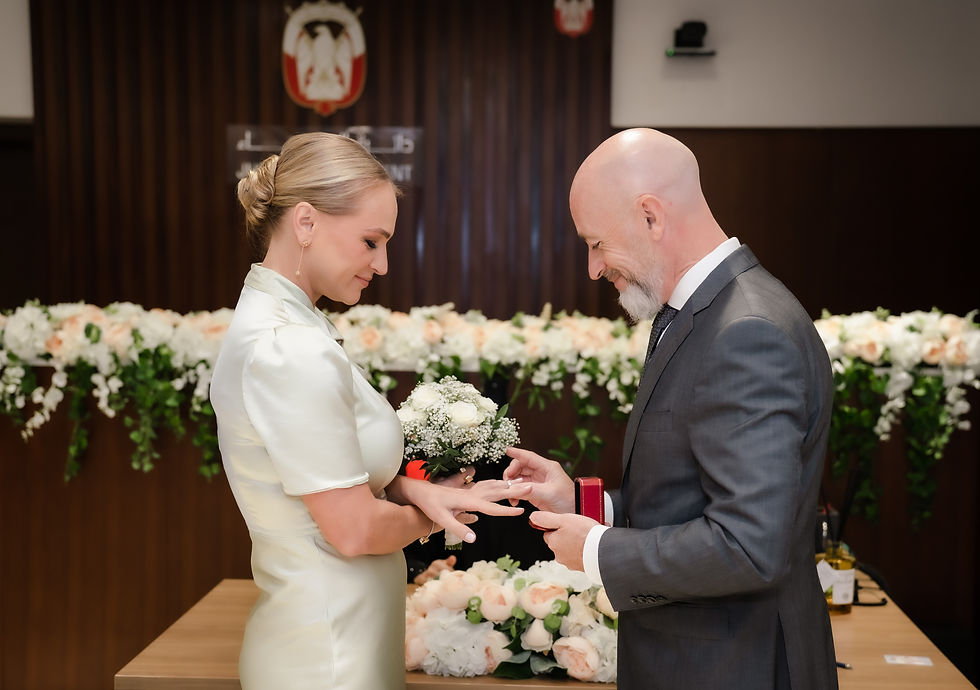
Explore tailored solutions for civil and Islamic marriages at Harris & Charms. Benefit from professional legal support and seamless event planning designed to protect your rights and celebrate your love. Contact us now to start your journey with confidence and clarity.
Frequently Asked Questions
What is the main difference between civil and Islamic marriage in the UAE?
Civil marriage is a secular legal contract providing equal rights for all couples, while Islamic marriage follows Sharia law and includes religious ceremonies and traditions.
What are the eligibility requirements for civil and Islamic marriages for expats?
Both marriage types require a minimum age of 18, mutual consent, valid identification, premarital medical certificates, and proof of marital status.
How does the dissolution process differ between civil and Islamic marriages?
Civil marriages typically follow straightforward legal procedures for divorce, while Islamic marriages have specific religious requirements, including waiting periods and protocols like talaq and khul.
What documentation is necessary for an expat to get married in the UAE?
Expats need valid passports, residency visas, birth certificates, marital status certificates, and may require additional documents like divorce certificates or translations of international documents.
Recommended
Comments