
Eligibility for civil marriage in the UAE: 2026 guide


Choosing civil marriage in the UAE can feel overwhelming when you encounter conflicting information about who qualifies. Recent legal reforms have reshaped eligibility requirements, particularly around age limits and religious criteria, making it essential to understand the current framework. This guide clarifies the eligibility criteria, documentation processes, and legal rights for couples planning civil marriage in 2026.
Table of Contents
Key takeaways
Point | Details |
Eligibility requires non-Muslim status and minimum age 21 in most emirates | Abu Dhabi permits civil marriage from age 18 under Law No. 14 of 2021 |
Civil marriages no longer mandate guardians or witnesses | The civil marriage officer serves as the legal witness in Abu Dhabi |
Federal Decree-Law No. 41 of 2022 governs civil personal status for non-Muslims | This framework offers modern rights including no-fault divorce and testamentary freedom |
Documentation centers on passports, civil status proof, and age verification | Each emirate has specific procedural requirements for application submission |
UAE nationals and Muslim residents remain under Sharia-based personal status laws | Civil marriage applies exclusively to non-Muslim expatriates |
Understanding eligibility criteria for civil marriage in the UAE
The UAE civil marriage framework operates under Federal Decree-Law No. 41 of 2022, which establishes clear parameters for who can register. Eligibility requires both parties to be non-Muslim and at least 21 years old, based on official documentation. This legal distinction separates expatriates from UAE nationals, who continue under Sharia-based marriage regulations.
Religion serves as the primary eligibility filter. Non-Muslim expatriates qualify for civil marriage, while Muslim residents and UAE nationals, regardless of religion, must follow traditional personal status laws. This creates a dual legal system within the country.
Age verification forms the second critical eligibility element. Most emirates require both parties to be 21 years or older at the time of application. You must provide valid passports and birth certificates to confirm age compliance.
Nationality determines which legal framework applies to your marriage. Foreign nationals residing in the UAE can access civil marriage provisions, but you must demonstrate that your case falls under the 2022 Civil Personal Status Law. UAE nationals cannot opt into this system, even if both parties are non-Muslim.
Key eligibility factors include:
Valid passport demonstrating foreign nationality
Religious status documented as non-Muslim
Age confirmation showing both parties meet the minimum threshold
Legal capacity to marry without impediments like existing marriages
Residence status within the UAE at the time of application
For a deeper understanding of eligibility rules across different scenarios, explore our marriage eligibility UAE guide.
Special provisions and exceptions: Abu Dhabi’s civil marriage framework
Abu Dhabi stands apart with its distinctive civil marriage legislation. Law No. 14 of 2021 allows civil marriage at 18 years old, creating a three-year age gap compared to other emirates. This makes Abu Dhabi particularly attractive for younger couples seeking legal recognition.
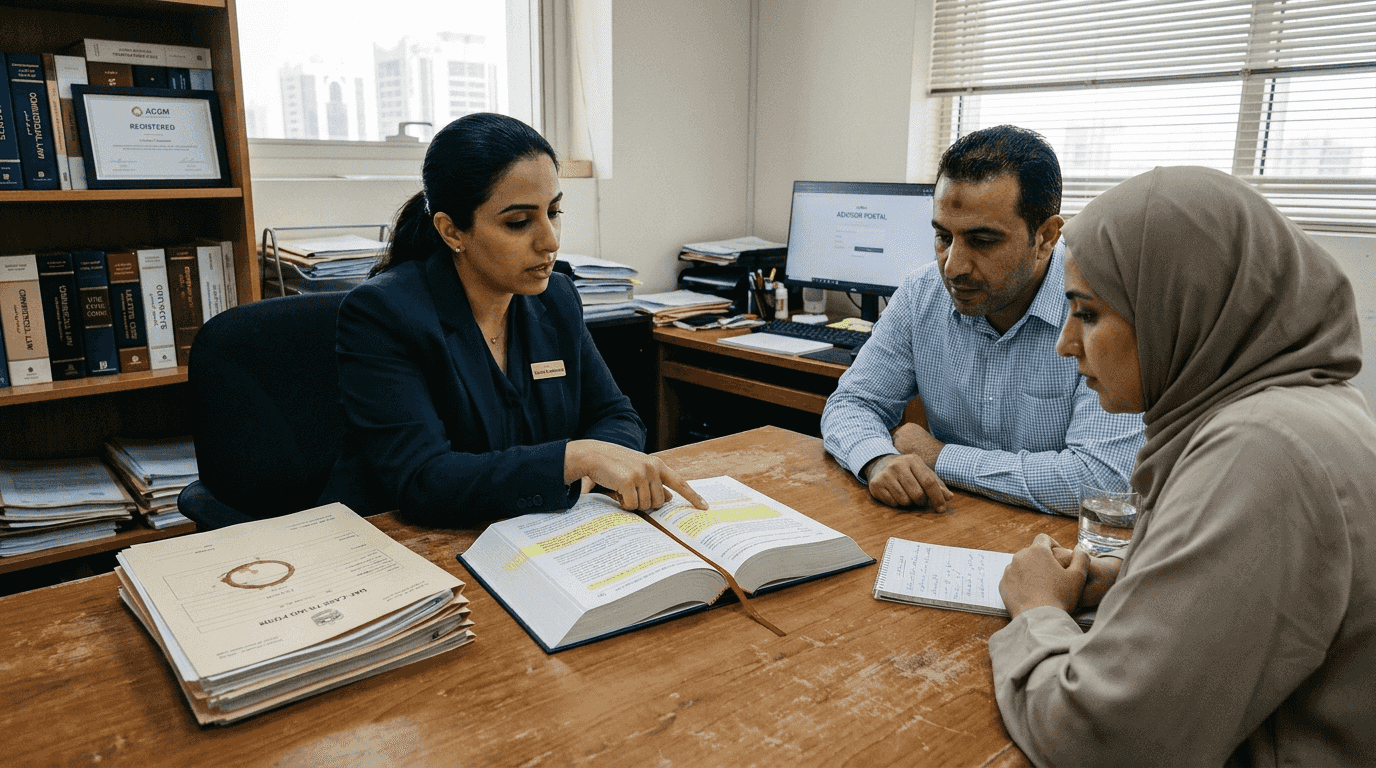
The emirate’s approach reflects a deliberate alignment with international legal standards. Civil marriage in Abu Dhabi is governed by Law No. 14 of 2021, establishing a modern legal framework for civil unions applicable exclusively to non-Muslims and non-UAE nationals. This system prioritizes individual rights and consent over traditional requirements.
One of the most significant procedural differences involves witnesses. Civil marriages in Abu Dhabi eliminate the witness requirement entirely. The civil marriage officer acts as the sole legal witness, simplifying the ceremony and reducing coordination challenges for couples without extensive local networks.
“The Abu Dhabi civil marriage framework represents a progressive shift toward international family law standards, offering expatriates a streamlined path to legal recognition without compromising on legal protection.”
This modern approach has practical benefits:
Reduced age barrier allows younger professionals to marry legally
No witness requirement eliminates the need to involve friends or family
Streamlined procedures reduce processing time
International legal alignment facilitates recognition abroad
Rights-based framework ensures equal treatment regardless of gender
Couples considering Abu Dhabi for their civil marriage should review our civil marriage in Abu Dhabi guide for detailed procedures. If you’re weighing options between emirates, our Dubai vs Abu Dhabi marriage laws comparison clarifies the key distinctions.
Pro Tip: If you’re between 18 and 20 years old, Abu Dhabi is currently your only civil marriage option in the UAE, making it essential to understand the specific documentation and residency requirements for this emirate.
Legal rights and modern reforms under UAE’s Civil Personal Status Law
The 2023 implementation of the Civil Personal Status Law fundamentally transformed family law for non-Muslims in the UAE. The Civil PSL introduces a modern, rights-based structure allowing no-fault divorce, the right to marry without guardians or witnesses, and equal inheritance rights. This marks a departure from traditional systems that often required family involvement.
Adult consent now serves as the sole foundation for marriage validity. Civil marriage is formalized solely between two consenting adults, eliminating guardian approvals. This change particularly impacts women, who previously faced additional procedural hurdles in some jurisdictions.
The reforms extend well beyond marriage ceremonies. Testamentary freedom allows you to distribute assets according to personal wishes rather than prescribed religious formulas. Equal inheritance rights ensure that gender no longer determines your share of family wealth.
Divorce provisions reflect contemporary understanding of relationship dynamics. No-fault divorce means you can dissolve a marriage without proving wrongdoing or fault by either party. This removes the adversarial element from separation proceedings.
Key rights under the Civil Personal Status Law:
Freedom to marry without parental or guardian consent once you meet age requirements
Equal legal standing for both spouses in property and financial matters
No-fault divorce option that respects personal autonomy
Custody determinations based on child welfare rather than automatic gender preferences
Testamentary control over personal assets and estate distribution
Protection against forced marriage or coercion
These changes align the UAE with global human rights standards while respecting the nation’s cultural context. For couples planning their marriage journey, our civil marriage UAE guide provides comprehensive information on leveraging these legal protections.
Pro Tip: Document your understanding of these rights before marriage by creating a written agreement that outlines financial arrangements, property ownership, and other important matters to avoid confusion later.
Document requirements and procedural steps to confirm eligibility for civil marriage
Navigating the documentation process requires methodical preparation. Foreign nationals must ensure their cases fall under the 2022 Civil Personal Status Law to avoid confusion with 2024 laws governing Muslims. This verification step prevents application rejections and processing delays.
Follow these steps to complete your civil marriage application:
Verify eligibility by confirming both parties meet age, religion, and nationality criteria for your chosen emirate
Gather valid passports with minimum six months validity and current UAE residence visas
Obtain proof of civil status including divorce decrees or death certificates if previously married
Collect age verification documents such as birth certificates with official translations if needed
Complete medical fitness tests if required by your emirate’s health authority
Submit application to the designated civil court or marriage authority in your emirate
Attend the civil marriage ceremony where the officer formalizes the union
Receive your official civil marriage certificate after notarization
Document requirements vary slightly by emirate, as shown in this comparison:
Document Type | Dubai | Abu Dhabi | Other Emirates |
Valid passport | Required | Required | Required |
Residence visa | Required | Required | Required |
Single status proof | Affidavit | Certificate | Varies |
Medical fitness | HIV/hepatitis test | Standard health check | Emirate-specific |
Age verification | 21+ with birth certificate | 18+ with birth certificate | 21+ with birth certificate |
Translation requirement | Arabic for non-English docs | Arabic for non-English docs | Arabic for non-English docs |
Certification and apostille requirements deserve special attention. Many countries require apostille stamps on foreign marriage certificates for legal recognition. Obtain multiple certified copies of your marriage certificate immediately after registration.
Our civil marriage process UAE expats resource walks you through each procedural stage. For application-specific guidance, review our civil marriage application UAE guide. If you’re considering Abu Dhabi’s expedited service, check our Abu Dhabi express civil marriage overview.
Pro Tip: Request at least five certified copies of your marriage certificate and obtain apostille certification immediately, as this process can take weeks if done later and is essential for international legal recognition.
Plan your civil marriage in the UAE with expert support
Navigating eligibility requirements and documentation can overwhelm even the most organized couples. Professional marriage services eliminate guesswork by managing the entire process from eligibility verification through certificate delivery.

Harris & Charms specializes in streamlining civil marriage procedures for expatriate couples throughout the UAE. Our civil marriage Dubai packages include comprehensive document preparation, application submission, and coordination with civil authorities to ensure compliance with current regulations. We handle emirate-specific requirements so you can focus on celebrating your commitment.
Our team stays current with legal changes across all emirates, providing accurate guidance on eligibility criteria, age requirements, and documentation standards. Whether you’re planning a ceremony in Dubai or taking advantage of Abu Dhabi’s lower age threshold, our civil weddings Dubai services cover every detail. Explore our full range of marriage services UAE to find the support package that matches your needs.
Frequently asked questions
What is the minimum age for civil marriage in the UAE?
Minimum age is generally 21 years across most emirates, but Abu Dhabi permits civil marriage from age 18. This creates opportunities for younger couples who meet all other eligibility criteria to marry legally in Abu Dhabi specifically.
Can Muslim residents register for civil marriage under UAE law?
No, civil marriage law applies to non-Muslims exclusively. UAE nationals and Muslim residents remain governed by Sharia-based personal status principles regardless of their preference for civil procedures.
Are witnesses required during a civil marriage ceremony in Abu Dhabi?
No witnesses are needed because the civil marriage officer acts as the legal witness in Abu Dhabi. This simplifies ceremony planning and removes the requirement to involve friends or family members in the official proceedings.
What documents are required to prove eligibility for civil marriage in the UAE?
Key documents include passports, proof of single status, age proof, and applicable civil court approvals. If previously married, you must provide divorce decrees or death certificates. All foreign documents require Arabic translation and may need apostille certification depending on your home country.
Recommended
Comments