
7 Key Islamic Marriage Requirements for Couples in the UAE

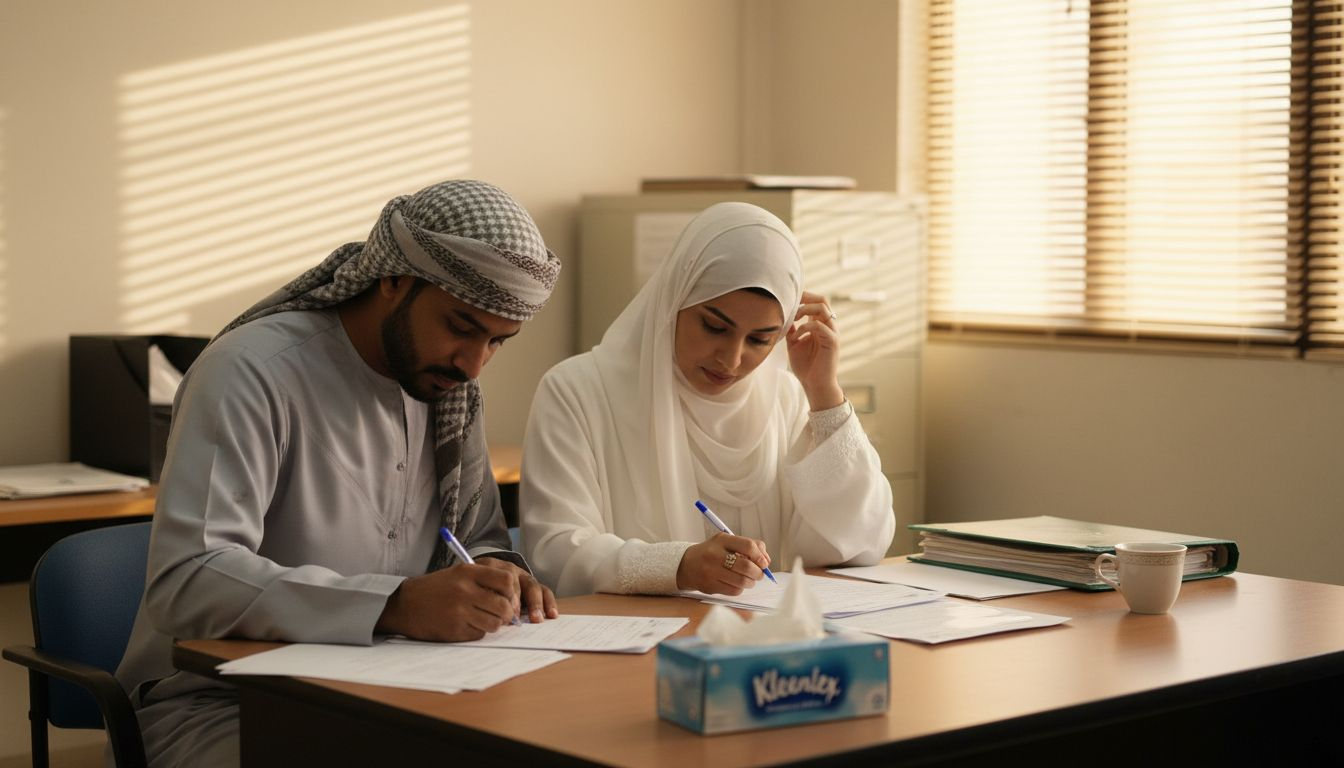
Most American couples are surprised to learn that over 80 percent of Islamic marriages in the United Arab Emirates hinge not just on paperwork, but on genuine consent and legal safeguards. With cross-cultural unions on the rise, understanding these requirements protects your rights and ensures your marriage is fully recognized under UAE law. This guide reveals what every American needs to know about consent, eligibility, documentation, and the steps to a valid Islamic marriage in the United Arab Emirates.
Table of Contents
Quick Summary
Takeaway | Explanation |
1. Consent is essential in marriage | Both parties must willingly agree to the marriage without any coercion, ensuring mutual respect and understanding. |
2. Minimum age requirement is 18 | The United Arab Emirates mandates that both partners must be at least 18 years old to legally marry, protecting youth from exploitation. |
3. The role of the Wali is significant | The Wali, or guardian, supports the bride’s rights during marriage negotiations and must respect her autonomy and consent. |
4. Mahr is a legal obligation | The Mahr is a mandatory gift from the groom to the bride, ensuring her financial security and must be documented in the marriage contract. |
5. Proper documentation is crucial | Couples must provide various official documents during the marriage registration process to ensure compliance with UAE laws and avoid delays. |
1. Understanding the Importance of Consent in Islamic Marriage
Consent is the cornerstone of a valid Islamic marriage. In Islamic tradition, marriage is a sacred covenant that requires voluntary and genuine agreement from both parties, ensuring that neither individual is coerced or pressured into the union.
The Qur’an explicitly emphasizes the critical nature of consent, rejecting any form of forced marriage. Voluntary participation is not just a legal requirement but a fundamental ethical principle that protects individual rights and human dignity. As stated in Islamic scripture, marriage should be a mutual agreement built on mutual respect, love, and understanding.
Under Islamic law, consent involves several key aspects. Both the bride and groom must:
Provide clear, verbal agreement to the marriage
Have the mental capacity to make an informed decision
Be free from any external pressure or manipulation
Have the right to discuss and negotiate marriage terms
Interestingly, Islamic jurisprudence provides specific protections for individuals. In traditional interpretations, a woman has the right to accept or reject a marriage proposal, and her silence cannot be interpreted as consent. This Islamic marriage process guide offers detailed insights into these nuanced requirements.
Pro Tip: Always engage in open, transparent communication with your potential spouse and family members to ensure a consensual and mutually respectful marriage arrangement.
2. Legal Age and Eligibility Criteria for Both Partners
Legal age and eligibility form the critical foundation for a valid Islamic marriage in the United Arab Emirates. The UAE has established clear legal requirements to protect individuals and ensure responsible marriage arrangements.
Key Legal Requirements:
Minimum age of 18 years for both partners
Mental and physical capacity to consent
No existing legal impediments to marriage
Proof of identity and legal documentation
The UAE Cabinet has implemented strict regulations to safeguard individual rights. Minimum Age Requirement is non negotiable. This legal steps and key requirements guide provides comprehensive details about marriage eligibility.
Both partners must demonstrate full legal capacity. This means being mentally competent, having reached legal adulthood, and having the ability to understand and agree to marriage terms. Individuals under 18 cannot legally enter into marriage, protecting younger individuals from potential exploitation.
Documentation plays a crucial role in verifying eligibility. You will need to prepare:
Valid government issued identification
Birth certificates
Passport copies
Residency documents (for expatriates)
Medical fitness certificates
Understanding these requirements helps ensure a smooth, legally compliant marriage process. Potential challenges can arise from incomplete documentation or misunderstanding legal prerequisites.
Pro Tip: Always verify your documentation with official authorities and consider consulting a legal professional who specializes in UAE marriage regulations to ensure complete compliance.
3. Role of the Wali (Guardian) in the Marriage Process
The Wali, or guardian, traditionally plays a significant role in Islamic marriage arrangements, representing a critical component of the marriage contract. In Islamic jurisprudence, the Wali serves as a protective intermediary who ensures the rights and interests of the bride are respected during marriage negotiations.
Key Responsibilities of the Wali:
Representing the bride during marriage negotiations
Verifying the suitability of the potential spouse
Protecting the bride’s rights and interests
Providing consent and oversight in the marriage process
Recent UAE legal reforms have modernized the traditional Wali system. The new personal status law provides more flexibility, especially for women who are residents of the UAE. Islamic marriage regulations now recognize that women can have more autonomy in marriage decisions.
Typically, the Wali is a close male relative such as a father, grandfather, brother, or uncle. However, the contemporary interpretation emphasizes the importance of the woman’s free will and consent. The guardian’s role is increasingly seen as advisory rather than controlling.
For expatriate couples or those with complex family dynamics, understanding the nuanced role of the Wali becomes even more important. The guardian must balance traditional expectations with modern legal requirements, ensuring a fair and consensual marriage process.
Pro Tip: If you are navigating the Wali requirement, communicate openly with your family and potential spouse to ensure mutual understanding and respect throughout the marriage arrangement.
4. Significance of the Mahr (Dowry) and Its Agreement
The Mahr represents a fundamental financial commitment in Islamic marriage, serving as a mandatory gift from the groom to the bride that symbolizes respect, financial security, and the bride’s economic rights. This sacred financial arrangement is more than a simple monetary transaction it embodies deep cultural and legal significance within Islamic marriage traditions.
Key Characteristics of Mahr:
Legally mandated gift from groom to bride
Documented in the marriage contract
Designed to provide financial protection for the wife
Can be immediate or deferred payment
In the United Arab Emirates, specific legal guidelines govern Mahr agreements. Legal implications of marriage reveal that the total Mahr amount should not exceed AED 50,000 (with immediate portion capped at AED 20,000 and deferred portion at AED 30,000).
The Mahr serves multiple important purposes. It provides the bride with personal financial security, represents her economic value, and ensures she has independent resources. Unlike a traditional dowry, the Mahr belongs exclusively to the wife and cannot be controlled by her family or husband.
When negotiating the Mahr, couples should consider:
The financial capacity of the groom
Cultural expectations
Personal preferences
Long term financial planning
Potential future needs
Modern interpretations emphasize the Mahr as a symbol of mutual respect and commitment, moving beyond its historical transactional roots to represent a meaningful gesture of financial and emotional support.
Pro Tip: Document the Mahr agreement comprehensively in your marriage contract, specifying exact amounts, payment timelines, and conditions to prevent potential future misunderstandings.
5. Necessary Documentation and Identification Requirements
Marriage documentation in the United Arab Emirates involves a comprehensive set of identification and legal requirements that ensure a transparent and legally valid marriage process. Navigating these requirements demands careful preparation and attention to detail.
Essential Documentation Checklist:
Valid government issued passport
Emirates ID or residency visa
Birth certificate (officially translated)
Proof of marital status (single certificate)
Medical fitness certificate
Passport sized photographs
Completed marriage application forms
For expatriate couples, additional documentation becomes crucial. Islamic marriage regulations highlight the specific paperwork needed for international marriages.
Specific Requirements for Different Scenarios:
Muslim Couples:
Original and copy of national ID
Proof of religious affiliation
No objection certificate from embassy (for expatriates)
Non Muslim Couples:
Divorce or death certificates (if previously married)
Legal clearance from home country
Translated and authenticated documents
All documents must be recent (typically issued within the last 3 months), original, and officially authenticated. Translations must be completed by certified translators recognized by UAE government authorities.
Understanding these requirements helps streamline the marriage registration process, preventing potential delays or complications.
Pro Tip: Create multiple certified copies of all documents and store them securely in separate locations to prevent potential loss or misplacement during the marriage registration process.
6. Witnesses and Their Role in Validating the Marriage
Witnesses represent a fundamental requirement in Islamic marriage ceremonies, serving as critical legal and ceremonial participants who validate the marriage contract. Their presence ensures transparency, authenticity, and legal compliance during the marriage proceedings.
Key Witness Requirements:
Minimum of two male Muslim witnesses
Must be mentally competent adults
Should have no direct familial relationship to the couple
Must be present during marriage contract signing
Capable of understanding and testifying to the marriage agreement
In traditional Islamic jurisprudence, witnesses play a pivotal role in confirming the voluntary nature of the marriage. Role of marriage certificates provides additional context about legal documentation requirements.
Witness Responsibilities:
Confirm the identities of the bride and groom
Verify that both parties are entering marriage willingly
Sign the marriage contract as official documentation
Provide impartial testimony about the marriage proceedings
Modern UAE marriage regulations maintain these traditional witness requirements while adapting to contemporary legal standards. The witnesses must be credible individuals who can attest to the marriage’s legitimacy and ensure that all legal protocols are followed.
For expatriate couples, understanding these witness requirements becomes crucial in navigating the complex landscape of Islamic marriage procedures in the United Arab Emirates.
Pro Tip: Select witnesses who are respected community members and fully understand their legal and ceremonial responsibilities in validating your marriage contract.
7. Registering Your Islamic Marriage with UAE Authorities
Registering your Islamic marriage with UAE authorities transforms your religious ceremony into a legally recognized union. This critical process ensures your marriage receives full legal protection and acknowledgment under United Arab Emirates law.
Registration Requirements:
Complete marriage contract documentation
Original passports and Emirates ID
Translated and authenticated marriage documents
Presence of both spouses during registration
Submission of all required paperwork to Sharia Court
The registration process involves multiple strategic steps that validate your marital status officially. Legal implications of marriage provide crucial insights into understanding the significance of this process.
Key Registration Steps:
Schedule an appointment at local Sharia Court
Prepare comprehensive marriage documentation
Undergo mandatory marriage counseling session
Submit original documents for verification
Pay required registration fees
Receive official marriage certificate
For expatriate couples, additional documentation might include embassy attestations, proof of single status, and translated legal documents. The UAE government maintains strict protocols to ensure the legality and authenticity of marriage registrations.
Important considerations include understanding potential waiting periods, preparing Arabic translations of foreign documents, and ensuring all paperwork meets official standards.
Pro Tip: Begin gathering required documentation at least one month before your planned registration date to prevent potential administrative delays and ensure a smooth marriage registration experience.
Below is a comprehensive table summarizing the key components of Islamic marriage discussed throughout the article.
Aspect | Description | Key Considerations |
Consent in Marriage | Essential for validity; both must agree voluntarily without coercion. | Requires mental capacity and freedom from pressure. |
Legal Age & Eligibility | Minimum age is 18; must have mental capacity and complete documentation. | Ensure all necessary documents and eligibility. |
Role of the Wali | Guardian who ensures bride’s rights are protected. | Role is increasingly advisory; important in negotiations. |
Mahr (Dowry) | Mandatory gift from groom to bride for financial security. | Must be documented, with specific legal guidelines in UAE. |
Necessary Documentation | Includes ID, residency visa, birth certificate, medical certificate. | Must be recent, original, and properly translated. |
Witness Requirements | Minimum of two male Muslim witnesses needed. | Must be competent and understand the marriage agreement. |
Registration Process | Legal registration transforms the religious ceremony into a recognized union. | Requires documentation, counseling, and fees at Sharia Court. |
Simplify Your Islamic Marriage Journey in the UAE with Expert Support
Navigating the complex Islamic marriage requirements in the UAE can feel overwhelming. From securing genuine consent and understanding the role of the Wali to managing the Mahr agreement and compiling all necessary documentation, every detail matters for a smooth, legally compliant union. Key challenges include ensuring clear communication, meeting the legal age and eligibility criteria, and fulfilling strict witness and registration protocols.
Harris & Charms specializes in removing these hurdles by offering comprehensive support tailored to your unique needs. Whether you need assistance with preparing and authenticating your legal documents, understanding the nuanced marriage process, or organizing your ceremony with care and respect, we are here to guide you every step of the way. Explore our trusted services on the Harris & Charms website to experience stress-free planning backed by personal dedication and expertise.
Ready to ensure your Islamic marriage meets all UAE requirements confidently and effortlessly?

Start your journey today by contacting the team that understands both tradition and modern UAE laws at Harris & Charms. Discover how our tailored solutions can make your special day legally sound and emotionally meaningful. Learn more about the detailed Islamic marriage process in the UAE and requirements for Islamic marriage to prepare ahead and act now.
Frequently Asked Questions
What are the key requirements for an Islamic marriage in the UAE?
The key requirements for an Islamic marriage in the UAE include mutual consent from both partners, the legal age of at least 18 years, proper documentation, the involvement of a Wali (guardian), and a specified Mahr (dowry). Collect all necessary documentation and ensure you meet these criteria before proceeding with your marriage plans.
How do I verify my eligibility for an Islamic marriage in the UAE?
To verify your eligibility, check that both partners are at least 18 years old, mentally competent, and have no legal impediments to marriage. Prepare valid identification, birth certificates, and other required documents to confirm your status.
What role does the Wali play in the marriage process?
The Wali is a guardian, usually a male relative, who represents the bride in marriage negotiations and ensures her rights are respected. Engage openly with your Wali to ensure that their involvement aligns with both traditional expectations and modern legal requirements.
What documentation do I need to register my Islamic marriage?
You need a valid passport, Emirates ID, birth certificate, proof of marital status, and medical fitness certificate, among others. Gather these documents well in advance to facilitate a smooth registration process at the Sharia Court.
How can we ensure the Mahr agreement is clear and legally binding?
To ensure the Mahr agreement is clear, document it comprehensively in your marriage contract, specifying the amount and payment terms. Discuss these details openly with your partner to avoid misunderstandings later.
What is the process for registering an Islamic marriage in the UAE?
The process involves preparing necessary documents, undergoing a counseling session, and submitting your paperwork at the local Sharia Court. Start this process at least one month prior to your intended wedding date to accommodate any waiting periods.
Recommended
Comments