
Nikah in UAE: Legal Steps and Key Impacts

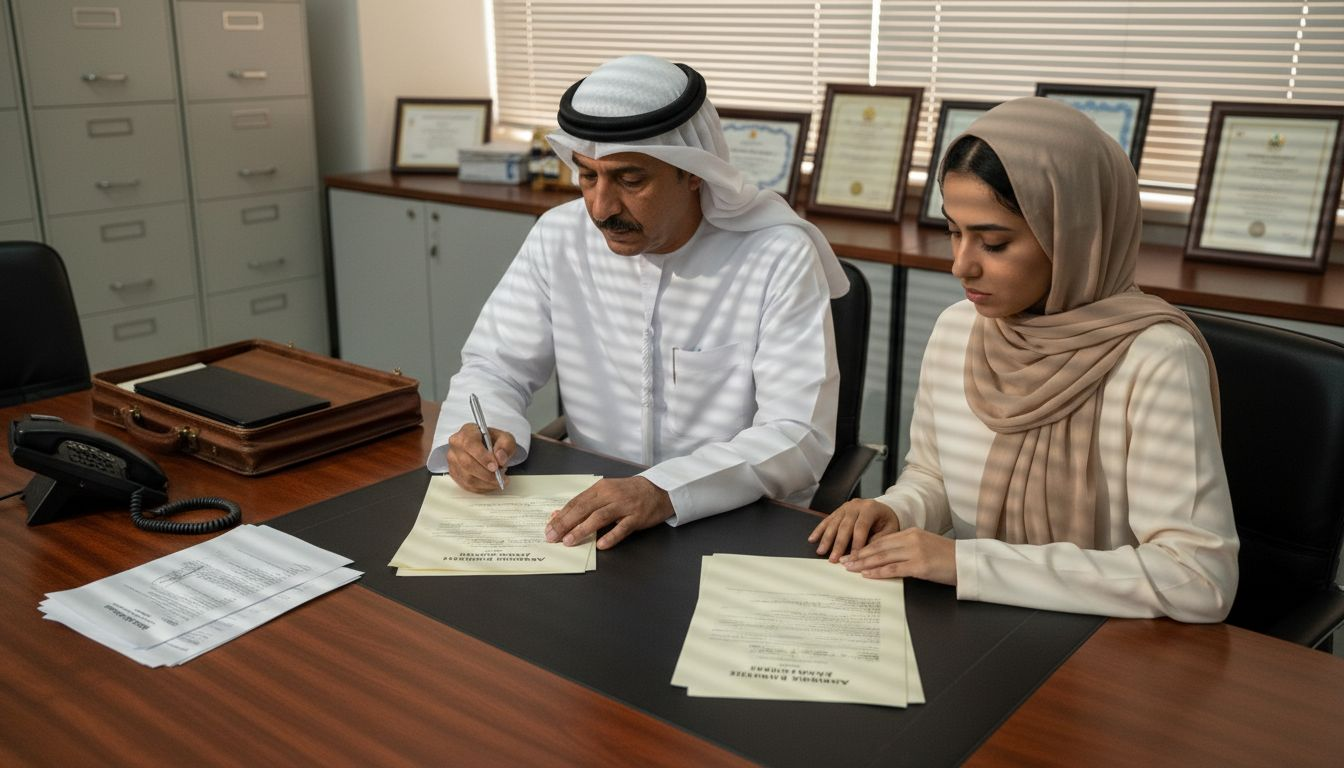
Nearly every American expat in the United Arab Emirates faces confusion about the exact meaning of Nikah and how myths can impact the wedding planning journey. With over 60 percent of international couples reporting legal document errors after their ceremony, understanding these concepts matters. This guide cuts through misunderstandings and shows you how to blend Islamic tradition with local regulations for a smooth marriage process that respects your background and cultural expectations.
Table of Contents
Key Takeaways
Point | Details |
Understanding Nikah | Nikah is a sacred covenant in Islam that goes beyond a legal contract, emphasizing mutual respect, love, and spiritual partnership. |
Types of Nikah for Expats | Expats in the UAE have options such as civil registration, religious ceremonies, and consular marriages, each with distinct legal implications. |
Legal Requirements | Couples must meet specific prerequisites like age verification and medical screenings, along with documentation requirements for both partners. |
Avoiding Common Mistakes | Couples should avoid neglecting proper documentation, guardian consent, and cultural protocols to ensure a smooth Nikah planning process. |
Nikah Defined: Meaning and Common Myths
In the Islamic tradition, Nikah represents far more than a legal contract—it is a sacred covenant between two individuals that transcends mere social agreement. Rooted deeply in religious principles, Nikah is a divine connection that establishes mutual respect, love, and spiritual partnership. Unlike secular marriage concepts, Islamic marriage views this union as an act of worship that brings tranquility and mercy between spouses.
The fundamental purpose of Nikah extends beyond personal companionship to serve broader societal goals. By sanctifying marital relationships, it establishes a robust foundation for family structures and protects individual morality. Islamic legal frameworks emphasize mutual consent, respect, and shared responsibilities. Partners enter this relationship with clear expectations about rights, obligations, and spiritual commitments. These principles are meticulously outlined in Islamic marriage guidelines that provide comprehensive guidance for couples.
Despite its profound significance, several myths persist about Nikah that misrepresent its true essence. Contrary to popular misconceptions, Islamic marriage is not about subjugation but mutual understanding and partnership. The contract ensures:
Equal rights for both partners
Explicit consent requirements
Financial and emotional protection
Spiritual alignment between spouses
Another common myth suggests that Nikah is a rigid, inflexible process. In reality, Islamic marriage allows significant flexibility while maintaining core ethical principles. The contract can be customized to address specific needs and circumstances of the couple, always prioritizing mutual respect and individual dignity.
Pro Tip: Before finalizing your Nikah contract, carefully review all terms and seek guidance from knowledgeable Islamic scholars to ensure complete understanding of your rights and responsibilities.
Types of Nikah for Expats in UAE
Expats in the United Arab Emirates encounter unique marriage options when considering an Islamic wedding ceremony. Nikah can be structured through different legal frameworks that accommodate the diverse cultural and religious backgrounds of international residents. Understanding these variations is crucial for couples navigating marriage in this multicultural environment.
Primarily, expats in the UAE have three primary types of Nikah arrangements: civil registration, religious ceremony, and consular marriage. Civil registration through the UAE courts provides official legal recognition, ensuring comprehensive documentation for residency and administrative purposes. Religious ceremonies conducted by recognized Islamic institutions offer spiritual validation, while consular marriages allow couples to register marriages through their home country’s diplomatic representation.
Each Nikah type carries distinct legal implications and documentation requirements. The civil registration process typically involves:
Presenting valid passports
Medical fitness certificates
Proof of marital status
Translation of required documents
Payment of administrative fees
Foreign nationals must also navigate additional complexities such as obtaining marriage permissions, understanding cultural expectations, and ensuring compliance with UAE legal standards. Some expat couples choose to combine multiple registration methods to ensure comprehensive legal protection and cultural respect.
Here’s a comparison of primary Nikah types for expats in the UAE:
Nikah Type | Legal Recognition | Typical Registration Body | Suitability for Expats |
Civil Registration | Official UAE status | UAE Courts | Required for residency/visa |
Religious Ceremony | Spiritual validation | Islamic institutions | Ideal for faith-based couples |
Consular Marriage | Home country status | National embassies | For diplomatic/legal needs |
Pro Tip: Consult with multiple official sources and consider legal consultation to understand the specific Nikah registration requirements applicable to your unique nationality and personal circumstances.
Legal Requirements for Nikah Registration
Nikah registration in the United Arab Emirates involves a comprehensive legal process that demands meticulous attention to detail and strict compliance with Islamic and governmental regulations. Legal capacity and mutual consent form the foundational principles governing marriage contracts, with specific requirements designed to protect the rights and interests of both parties.
To initiate the Nikah registration process, couples must meet several critical prerequisites. The primary legal requirements include age verification, mandatory medical screenings, and comprehensive documentation. Islamic marriage contract guidelines specify that both partners must be at least 18 years old, possess full legal capacity, and demonstrate mutual willingness to enter the marriage. Foreign nationals face additional documentation challenges, including:
Valid passport copies
Residency visa documentation
Premarital health certificates
No-objection certificates from home countries
Translated and authenticated legal documents
The UAE legal system mandates specific procedural steps for Nikah registration, including the presence of a male guardian for the bride and two male Muslim witnesses during the marriage ceremony. Sharia courts play a crucial role in validating and registering marriage contracts, ensuring that all legal and religious requirements are meticulously fulfilled. Notably, the registration process allows for certain cultural nuances, such as provisions for polygamous marriages under strict regulatory conditions.
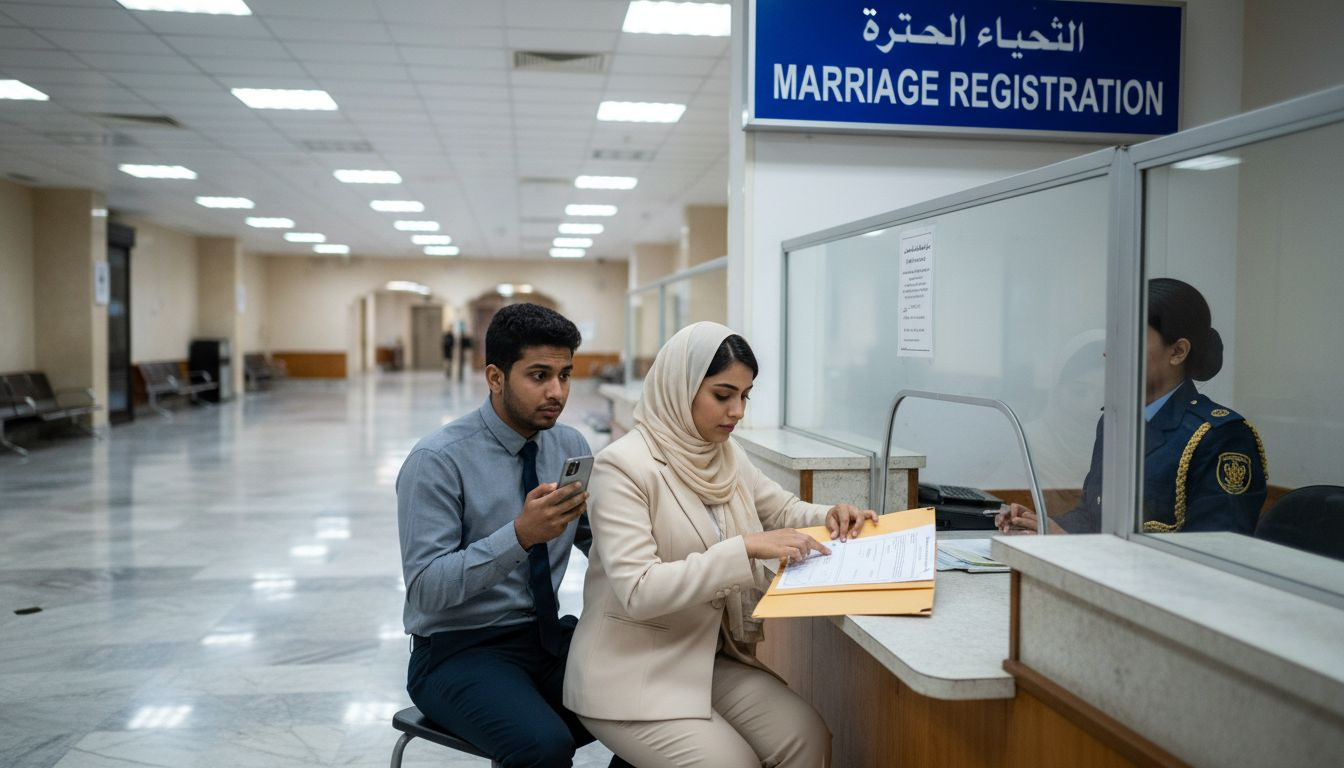
Unique considerations exist for expatriate couples, who must navigate complex legal landscapes involving international documentation, cultural expectations, and potential cross-border legal implications. Some nationalities require additional approvals, embassy certifications, and specialized translations to ensure comprehensive legal recognition of their marriage.
Pro Tip: Consult with official UAE marriage authorities and consider engaging a specialized legal consultant to ensure seamless navigation of the intricate Nikah registration requirements.
Step-by-Step Marriage Documentation Process
Navigating the marriage documentation process in the UAE requires strategic planning and meticulous attention to administrative details. Document preparation serves as the critical foundation for a successful Nikah registration, with each step demanding precision and careful execution. Couples must approach this process systematically, understanding that comprehensive documentation minimizes potential bureaucratic complications.
The initial phase involves gathering essential personal and legal documents. Marriage document checklist resources recommend collecting the following key paperwork:
Valid international passports
Authenticated birth certificates
Divorce or death certificates (if previously married)
No-objection certificates from respective embassies
Premarital medical fitness certificates
Passport-sized photographs
Proof of residency
Foreign nationals must additionally ensure all non-Arabic documents undergo certified translation and receive official attestation from relevant governmental authorities. This process typically involves multiple governmental departments, including the Ministry of Foreign Affairs, local courts, and diplomatic missions. Each document requires careful verification to prevent potential registration delays or legal complications.
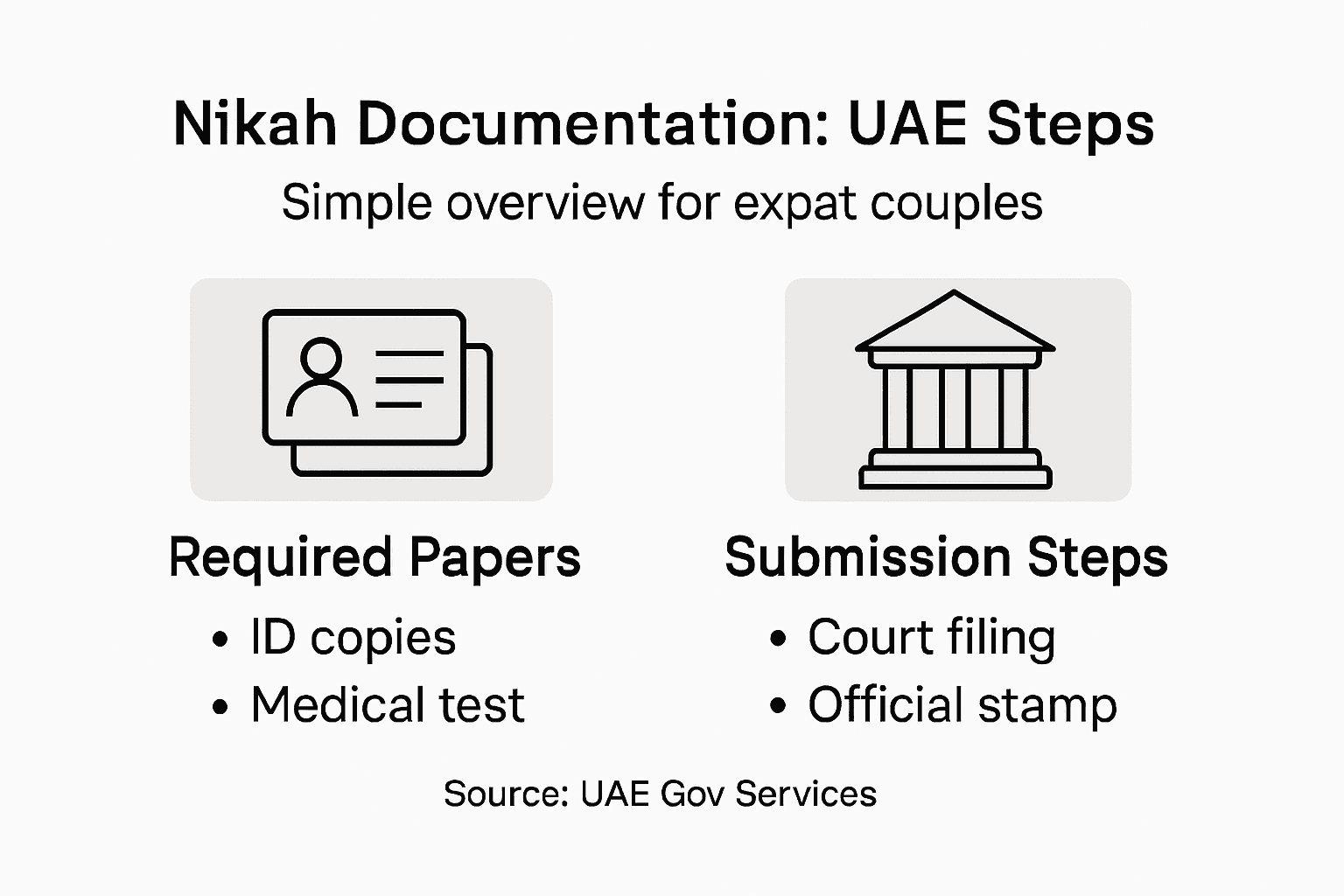
The documentation journey culminates in submitting the compiled paperwork to the appropriate Sharia court or municipal marriage registration center. Couples should anticipate multiple verification stages, potential additional interviews, and comprehensive background checks. Understanding the nuanced requirements for different nationalities becomes crucial, as documentation standards can vary significantly based on individual circumstances and country of origin.
Pro Tip: Create digital and physical copies of all documents, and schedule preliminary consultations with marriage registration experts to identify potential documentation challenges before formal submission.
Rights, Responsibilities, and Legal Risks
Nikah in the UAE encompasses a complex legal framework that defines intricate rights and responsibilities for both spouses, extending far beyond traditional marriage concepts. Marital obligations in this jurisdiction involve comprehensive legal protections and potential risks that couples must carefully understand before entering into the marriage contract. The legal landscape balances traditional Islamic principles with modern regulatory standards, creating a unique matrimonial environment.
Spouses acquire specific legal rights and responsibilities that are meticulously outlined in the marriage contract. Islamic marriage legal guidelines highlight critical aspects such as financial maintenance, inheritance rights, and mutual support. Key spousal rights include:
Financial support and maintenance
Inheritance entitlements
Property ownership rights
Child custody considerations
Protection from domestic abuse
Legal representation in familial disputes
Legal risks represent a significant consideration for couples, particularly expatriates navigating a complex multicultural legal system. Potential challenges include documentation disputes, cross-border legal complications, and variations in interpretations of marital rights. Expatriate couples face additional complexities related to visa status, residency permissions, and potential legal discrepancies between their home country’s laws and UAE regulations.
Understanding the nuanced legal landscape requires comprehensive knowledge of both Islamic jurisprudence and UAE civil law. Couples must recognize that marriage contracts are binding legal documents with long-term implications for personal and professional life. Differences in cultural interpretations, potential language barriers, and varying legal expectations can create significant challenges that demand proactive legal consultation and thorough understanding.
Below is a quick overview of common legal risks and how to proactively address them:
Legal Risk | Typical Challenge | Recommended Action |
Documentation disputes | Missing or invalid paperwork | Seek expert verification |
Cross-border complications | Conflicting international laws | Consult with legal specialists |
Cultural misunderstandings | Differing marital expectations | Request cross-cultural guidance |
Pro Tip: Engage a specialized legal consultant familiar with both Islamic and UAE civil marriage laws to comprehensively review your marriage contract and understand potential long-term legal implications.
Mistakes to Avoid When Planning Nikah
Planning a Nikah ceremony requires strategic preparation and understanding of complex religious and legal requirements. Wedding preparation involves navigating intricate cultural expectations and administrative protocols that can easily become overwhelming for couples unfamiliar with UAE marriage regulations. Recognizing potential pitfalls becomes crucial to ensuring a smooth, legally compliant, and spiritually meaningful wedding experience.
Several critical mistakes can derail the Nikah planning process. Marriage preparation strategies highlight common errors that couples should proactively avoid:
Neglecting proper documentation authentication
Failing to secure mandatory witnesses
Overlooking guardian consent requirements
Insufficient premarital medical screenings
Incomplete translation of legal documents
Ignoring cultural and religious protocol nuances
Underestimating administrative processing times
Expat couples face additional challenges when navigating the multicultural legal landscape of UAE marriage regulations. Misunderstandings can arise from differences in legal interpretations, language barriers, and varying cultural expectations. Some couples mistakenly assume that their home country’s marriage standards will automatically apply, leading to potential legal complications. Understanding the specific requirements for non-UAE nationals becomes paramount, as each nationality may have unique documentation and procedural expectations.
Financial and logistical planning represents another critical area where couples often make significant mistakes. Inadequate budget preparation, poor vendor selection, and lack of comprehensive legal consultation can create unexpected complications. Couples must approach Nikah planning as a holistic process that involves legal, spiritual, and practical considerations, requiring meticulous attention to detail and proactive communication with relevant authorities.
Pro Tip: Engage a specialized marriage consultant familiar with UAE regulations to conduct a comprehensive pre-marriage documentation review and identify potential planning challenges.
Simplify Your Nikah Journey in the UAE with Expert Support
Navigating the complex legal steps and documentation requirements of Nikah in the UAE can feel overwhelming. From gathering attested documents to understanding civil and Islamic marriage protocols, the process demands precision and careful planning. If you want to avoid common pitfalls like incomplete paperwork, misunderstandings around guardianship, or unexpected legal risks, reliable guidance is essential. Harris & Charms offers personalized, comprehensive assistance designed to streamline your entire marriage process, ensuring your Nikah contract respects your rights and fulfills all legal criteria with ease.
Experience peace of mind with services that cover:
Expert document preparation and legal attestation
Tailored support for civil and Islamic marriage registrations
Guidance through UAE-specific requirements and cultural nuances
Start your seamless wedding planning journey now by exploring our full range of support at Harris & Charms. Whether you need help with documentation or venue planning, our team is dedicated to making your Nikah experience joyful and stress-free.

Ready to secure your marriage legally and spiritually in the UAE? Visit our website and contact us today for tailored solutions that turn your Nikah plans into reality. Learn more about our services and how we can assist you at Harris & Charms and discover practical insights in Islamic marriage guidelines. Don’t wait to take the next step toward your perfect wedding day.
Frequently Asked Questions
What is the significance of Nikah in Islam?
Nikah is a sacred covenant in Islam that represents a divine connection between two individuals, emphasizing mutual respect, love, and spiritual partnership beyond a mere legal contract.
What are the types of Nikah arrangements available for expats?
Expats can choose from three main types of Nikah arrangements: civil registration, religious ceremony, and consular marriage, each with distinct legal implications and requirements.
What are the primary legal requirements for Nikah registration?
To register Nikah, couples must meet requirements such as age verification, mutual consent, medical fitness certificates, and various documentation, including passports and no-objection certificates.
What common mistakes should couples avoid when planning Nikah?
Couples should avoid neglecting document authentication, failing to secure mandatory witnesses, overlooking guardian consent requirements, and underestimating administrative processing times.
Recommended
Comments