
7 Key Points: Islamic Marriage Rules Explained for Couples

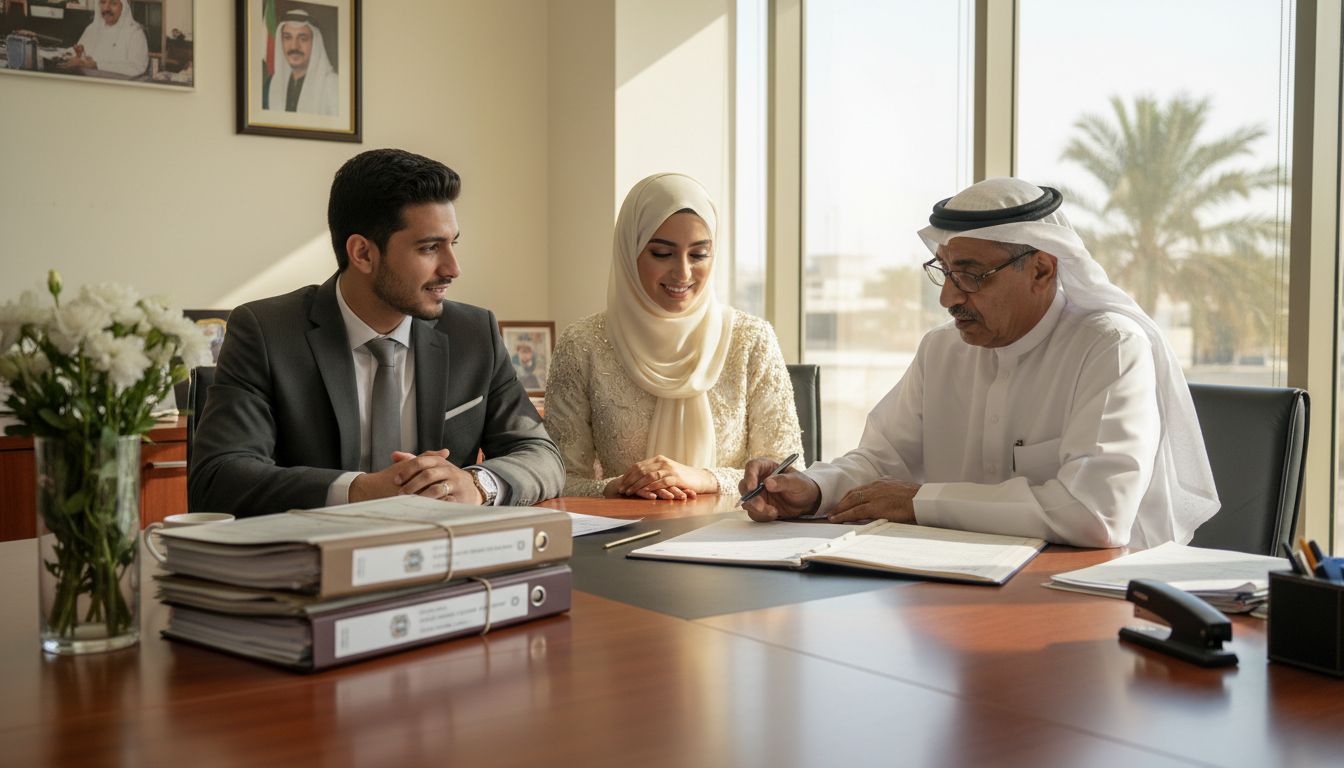
Most American couples are surprised to learn that over 90 percent of Muslim marriages globally rely on a written contract and structured legal process. For anyone interested in how Islamic marriage differs from familiar Western traditions, understanding the basics is essential. This overview breaks down the ceremonies, documents, and unique elements that define an Islamic marriage, offering practical insights for Americans and expatriates alike.
Table of Contents
Quick Summary
Takeaway | Explanation |
1. Islamic Marriage is a Bilateral Contract | In Islamic marriage, both partners must give explicit consent and define mutual rights and responsibilities, contrasting with more unilateral Western models. |
2. Mahr Ensures Financial Security | The Mahr, a mandatory payment from the groom, protects the bride’s financial rights and symbolizes respect and commitment in the marriage. |
3. Documentation is Crucial for Nikah | Couples must prepare several specific documents, including identification and medical certificates, to formalize their marriage and ensure its legal recognition. |
4. Witnesses Validate the Marriage | At least two witnesses are required to affirm the marriage, ensuring its authenticity and legality, reflecting the community’s involvement in the union. |
5. Customize Your Nikah Contract | Couples should negotiate terms in the Nikah contract, including financial obligations and personal commitments, making it a flexible foundation for their marriage. |
1. Understanding the Basics of Islamic Marriage
Islamic marriage represents a sacred covenant between two individuals, rooted deeply in spiritual and legal principles that extend far beyond a simple civil contract. At its core, marriage in Islam is viewed as a profound social agreement that establishes mutual rights, responsibilities, and spiritual companionship.
Unlike western marriage models, Islamic marriage (known as Nikah) is fundamentally a bilateral contract where both partners explicitly consent and define their mutual expectations. This contract provides a structured framework that protects the rights of both husband and wife, emphasizing mutual respect, understanding, and shared spiritual growth.
The Islamic marriage process involves several critical components that differentiate it from civil marriages. Consent is paramount in Islamic marriage law, with both parties required to provide free and willing agreement. This means no individual can be compelled into marriage against their wishes the marriage must be entered voluntarily by both the bride and groom.
A unique aspect of Islamic marriage is the Mahr, a mandatory financial gift from the groom to the bride that becomes her exclusive property. This provision ensures the woman’s financial security and represents her economic independence within the marriage framework. The Mahr can be paid immediately or deferred, providing flexibility based on the couple’s specific circumstances.
The legal implications of Islamic marriage in the UAE are particularly nuanced, blending traditional Islamic jurisprudence with modern legal frameworks. Religious scholars and legal experts work together to ensure that marriage contracts balance traditional principles with contemporary social needs.
Spiritually, Islamic marriage is considered half of one’s religious commitment, emphasizing the profound significance of this union. It is not merely a social contract but a deep spiritual partnership where both individuals are expected to support each other’s personal and religious growth.
For couples navigating an Islamic marriage, understanding these foundational principles is crucial. It transforms marriage from a mere legal arrangement into a holistic partnership built on mutual respect, spiritual connection, and shared life goals.
2. Essential Documents Required for Nikah
Navigating the documentation for an Islamic marriage requires careful preparation and understanding of specific legal requirements. The Nikah ceremony demands precise paperwork that validates the marriage contract and ensures legal recognition across different jurisdictions.
Documentation Essentials for a valid Islamic marriage typically involve multiple critical components. Couples must gather and prepare several key documents that demonstrate their legal eligibility and personal identities. These documents serve as the foundation for establishing a legally recognized marriage under Islamic law.
The complete Islamic marriage process in the UAE generally requires the following critical documents:
Personal Identification Documents:
Valid passport for both bride and groom
Emirates ID or residence permit
Original birth certificates
Valid national identification cards
Additional Mandatory Paperwork:
Premarital Medical Certificate confirming both parties are medically fit for marriage
Divorce or death certificates for previously married individuals
Proof of guardianship (if required by specific Islamic legal interpretation)
Two witnesses identification documents
Expatriate Specific Requirements:
Translated and authenticated marriage documents from home country
Notarized proof of single status
Apostilled legal documents verifying marital eligibility
Special attention must be paid to document authentication. Each paper requires careful verification to prevent potential legal complications. Expatriate couples often need additional layers of document certification, including translation and official stamp verification.
For Muslim couples in the UAE, documentation represents more than bureaucratic formality. These documents symbolize a commitment not just legally but spiritually establishing the marriage foundation with transparency and mutual understanding.
Practical advice for couples involves starting the document collection process early. Gathering these papers can take several weeks, so proactive preparation prevents last minute stress and potential ceremony delays.
3. Role of the Marriage Contract (Nikah)
The Islamic marriage contract represents far more than a simple legal document it is a comprehensive spiritual and social agreement that establishes the foundational rights and responsibilities of both spouses. Unlike western marriage models, the Nikah contract provides a detailed framework for mutual understanding and respect.
Key Characteristics of the Nikah Contract:
Explicitly defines mutual rights and obligations
Provides legal protection for both partners
Establishes financial and emotional commitments
Serves as a binding spiritual covenant
In Islamic jurisprudence, marriage is considered a civil contract with profound spiritual significance. This means the Nikah is not just a romantic gesture but a legally binding agreement with specific terms and conditions that both parties must understand and accept.
The legal implications of marriage certificates in the UAE play a critical role in defining the contractual nature of Islamic marriages. These documents outline essential elements such as financial responsibilities, potential conditions for divorce, and mutual rights.
Financial Provisions in the Nikah Contract:
Mahr (Dowry): A mandatory financial gift from groom to bride
Clarity on financial responsibilities during marriage
Potential provisions for financial support in case of divorce
Specification of inheritance and property rights
Customizable Contract Elements:
Specific conditions can be added by mutual agreement
Provisions for education, career support
Clauses about future family planning
Conditions related to work and personal development
One of the most revolutionary aspects of the Islamic marriage contract is its flexibility. Unlike many western marriage models, the Nikah allows couples to negotiate and include personalized terms that reflect their individual needs and values.
Practically speaking, couples should approach the Nikah contract as a collaborative document. Both parties should engage in open discussions about their expectations, review all terms carefully, and ensure mutual understanding before signing.
The marriage contract ultimately serves as a blueprint for marital harmony protecting the rights of both individuals while establishing a strong foundation of mutual respect and shared spiritual commitment.
4. Witness Requirements and Their Importance
In Islamic marriage law, witnesses are not merely ceremonial participants but fundamental legal validators who ensure the integrity and legitimacy of the marriage contract. Their presence and testimony represent a critical safeguard in establishing the marriage as a legally recognized union.
Core Witness Requirements:
Minimum of two adult witnesses required
Witnesses must be mentally sound and of sound judgment
Witnesses should understand the marriage proceedings
Witnesses must be Muslim (in most traditional interpretations)
The Islamic marriage process in the UAE places significant emphasis on the qualifications and roles of these witnesses. They are not passive observers but active participants who validate the marriage contract’s authenticity.
Witness Qualifications:
Male or Female Status: Traditionally male witnesses are preferred, though some contemporary interpretations allow female witnesses
Must be of legal age (typically 18 years or older)
Should have no direct familial relationship to the marrying couple
Must be present during the contract signing
Required to provide valid identification documentation
Legal Significance of Witnesses:
Confirm both parties enter marriage voluntarily
Verify the identities of bride and groom
Provide legal testimony if marriage legitimacy is questioned
Serve as moral and social guarantors of the marriage
Beyond legal technicalities, witnesses symbolize community involvement in the marital process. They represent social validation of the union transcending mere bureaucratic requirements.
Practically speaking, couples should carefully select witnesses who understand the gravity of their role. These individuals are not just signing a document but participating in a profound social and spiritual commitment.
In the UAE context, witnesses must be prepared to provide official identification and potentially testify about the marriage’s voluntary nature. This requirement ensures transparency and protects the rights of both partners in the marriage contract.
5. Dowry (Mahr): Rights and Responsibilities
The Mahr represents a fundamental financial provision in Islamic marriage law a mandatory gift from the groom to the bride that symbolizes respect financial security and the bride’s economic independence. Far from being a simple transaction the Mahr embodies profound spiritual and social principles within Islamic marital frameworks.
Key Characteristics of Mahr:
Mandatory financial gift from groom to bride
Exclusive property of the bride
Can be paid immediately or deferred
Legally protected financial right
Unlike western marriage concepts the Mahr is not a negotiable option but a required component of the Islamic marriage contract. It guarantees the bride’s financial protection and demonstrates the groom’s commitment to her economic well being.
The legal implications of marriage certificates in the UAE highlight the importance of clearly documenting Mahr provisions during the marriage contract process. This ensures legal clarity and protects both parties financial interests.
Types of Mahr Payment:
Prompt Mahr: Paid immediately after marriage contract signing
Deferred Mahr: Payment scheduled for a future date or specific conditions
Installment Mahr: Divided into multiple payment stages
Financial Considerations:
Mahr amount varies based on cultural social and economic contexts
No standardized amount exists families negotiate the sum
Can include cash property or valuable assets
Reflects bride family status and social expectations
Practically speaking couples should approach Mahr discussions transparently. Open communication about financial expectations prevents misunderstandings and establishes mutual respect. The amount should reflect both parties financial capabilities and societal norms.
The Mahr goes beyond monetary value. It represents a spiritual commitment protecting the bride economic rights and symbolizing the grooms dedication to her welfare. In Islamic tradition this practice underscores marriage as a partnership of mutual dignity and respect.
6. Legal Steps for Multinational Couples
Navigating marriage across different national and cultural backgrounds requires careful legal preparation and understanding of complex international marriage regulations. Multinational couples face unique challenges that demand strategic planning and comprehensive documentation.
Key Legal Considerations:
Validate individual citizenship status
Understand respective national marriage laws
Obtain necessary international marriage documentation
Ensure legal recognition in both home countries
Multinational marriages involve intricate legal frameworks that extend beyond traditional marriage procedures. Couples must carefully navigate potential legal complexities to ensure their union is recognized internationally.
The marriage visa requirements for UAE play a critical role in establishing legal pathways for multinational couples seeking to formalize their relationship within the United Arab Emirates.
Documentation Requirements:
Passport Verification: Original passports with minimum six months validity
Certified birth certificates (translated and authenticated)
Proof of single status from home country
Valid residency permits
Medical fitness certificates
International Marriage Legal Steps:
Conduct legal eligibility assessment in both countries
Translate and authenticate all required documents
Complete premarital medical examinations
Register marriage in UAE and home country
Obtain international marriage certificate
Special attention must be given to potential variations in marriage laws. Some countries have specific requirements for interfaith or international marriages that can significantly impact legal recognition.
Practically speaking multinational couples should consult legal experts specialized in international marriage regulations. Professional guidance helps navigate potential bureaucratic challenges and ensures comprehensive legal compliance.
Ultimately successful multinational marriages require patience understanding and meticulous legal preparation. By approaching the process systematically couples can create a solid legal foundation for their shared future.
7. Finalizing Your Islamic Marriage in the UAE
Finalizing an Islamic marriage in the United Arab Emirates involves navigating a complex legal and cultural landscape that requires careful preparation meticulous documentation and adherence to specific procedural requirements. The process demands both spiritual commitment and administrative precision.
Key Finalization Steps:
Complete all required legal documentation
Obtain necessary medical certificates
Register marriage with official authorities
Secure official marriage certificate
Verify legal recognition of marriage
The marriage process in the UAE integrates traditional Islamic principles with modern administrative frameworks creating a unique matrimonial experience that balances religious traditions with legal requirements.
The marriage requirements process for UAE couples involves multiple critical stages that demand careful attention to legal and cultural nuances.
Official Documentation Checklist:
Marriage Application Form: Completely filled and signed
Original passports for both parties
Premarital medical fitness certificates
Proof of single status
Two valid witnesses with identification
Marriage contract (Nikah contract)
Certification Process:
Submit documents to Islamic affairs department
Complete mandatory premarital counseling
Verify all documentation authenticity
Pay required government processing fees
Obtain official marriage certificate
Emirati authorities require comprehensive verification to ensure the legality and authenticity of the marriage. This process protects the rights of both parties and maintains the integrity of the marriage institution.
Practically speaking couples should begin preparation months in advance. Gathering documents translating international certificates and understanding specific requirements can take considerable time.
Successful marriage finalization in the UAE requires patience understanding and a systematic approach. By following official guidelines and preparing thoroughly couples can create a smooth path to their legal and spiritual union.
This table summarizes the essential aspects of Islamic marriage, including its foundational principles, required documentation, contract significance, witness roles, Mahr, legal considerations for multinational couples, and finalization steps in the UAE.
Aspect | Description | Key Elements |
Islamic Marriage Basics | Sacred covenant rooted in spiritual and legal principles, distinct from civil contracts. | Consent must be voluntary; Mahr ensures financial security; spiritual partnership emphasized. |
Required Documentation for Nikah | Legal preparation involving precise paperwork ensuring marriage validity. | Personal IDs, medical certificates, proof of single status, and witness documents needed. |
Marriage Contract (Nikah) | Comprehensive agreement defining rights and responsibilities. | Includes Mahr, financial provisions, and customizable terms reflecting individual needs. |
Witness Requirements | Witnesses validate marriage integrity and legality. | Two adult, mentally sound, usually Muslim; provide identification and testimony if needed. |
Dowry (Mahr) | Mandatory gift from groom to bride, securing her financial independence. | Can be prompt, deferred, or in installments; reflects societal norms and family status. |
Multinational Couple Considerations | Legal preparation for cross-national marriages. | Validate citizenship, comply with international laws, and ensure recognition in both countries. |
Finalizing Marriage in UAE | Balances Islamic principles with modern legal requirements. | Complete documentation, obtain medical certificates, register marriage, and secure a certificate. |
Simplify Your Islamic Marriage Journey with Expert Support
The article highlights key challenges in understanding Islamic marriage rules such as navigating complex legal documentation, ensuring proper contract terms including Mahr, and meeting witness requirements. Many couples also face uncertainty around multinational marriage regulations and finalizing their union legally within the UAE. These concerns can create stress and confusion during what should be a joyous, spiritually meaningful milestone.
At Harris & Charms, we understand these pain points and offer a personalized approach to make your Islamic marriage process seamless and stress-free. From preparing all essential documents to helping you design a Nikah contract that respects your rights and expectations, our dedicated team supports you at every step. We also assist with rental venues, photoshoots, and crucial legal attestation services that ensure your marriage is fully recognized in the UAE.
Take the next step toward a confident and smooth Islamic wedding experience by exploring our wedding and marriage assistance services.
Start your journey with trusted experts who turn complex procedures into simple solutions for you.
Discover how we can support your unique story today.

Ready to eliminate confusion and celebrate your sacred union with ease Contact us now at Harris & Charms and let us guide you through every legal and cultural step toward finalizing your Islamic marriage in the UAE.
Frequently Asked Questions
What is the role of consent in Islamic marriage?
Consent is crucial in Islamic marriage, as both partners must freely agree to the union without any coercion. To ensure mutual understanding and respect, discuss expectations openly before proceeding with the marriage ceremony.
What is Mahr, and how is it determined?
Mahr is a mandatory financial gift from the groom to the bride, representing her financial security and independence. Discuss the amount with your partner and families, considering cultural and personal circumstances, to ensure it aligns with expectations.
What documents are needed to finalize an Islamic marriage?
You will typically need personal identification, a premarital medical certificate, and proof of guardianship among other essential documents. Start gathering these required documents at least a few months before your planned wedding date to avoid last-minute issues.
How many witnesses are required for an Islamic marriage, and who can serve as witnesses?
Two adult witnesses are required, and they should be mentally sound, understand the proceedings, and, in most interpretations, be Muslim. Select trustworthy individuals to fulfill this role and ensure they bring valid identification on the wedding day.
What should we expect during the Nikah ceremony?
The Nikah ceremony involves signing the marriage contract in front of witnesses, accompanied by prayers and blessings. Prepare for this by ensuring all necessary documents are ready and discuss the ceremony details with your partner to create a meaningful experience.
How can multinational couples navigate legal requirements for Islamic marriage?
Multinational couples need to validate their citizenship and understand both countries’ marriage laws, ensuring all documents are authenticated and translated if necessary. Consult with legal advisors to ensure compliance with international marriage regulations and create a strong foundation for your marriage.
Recommended
Comments