
Role of Courts in UAE Marriage – What Expats Need

Updated: Sep 2

Every american, Canadian, or European expat planning a wedding in the United Arab Emirates quickly discovers that court procedures shape every stage of marriage contract approval. With over 80 percent of marriages in the UAE involving at least one foreign national, understanding the legal role of courts becomes vital for protecting your rights and securing official recognition. This overview reveals exactly how UAE courts verify documentation, approve contracts, and safeguard couples through civil and Islamic marriage pathways.
Table of Contents
Key Takeaways
Point | Details |
UAE Court Role | UAE Courts are essential for legal marriage contract registration for both Muslim and non-Muslim expats, ensuring proper documentation and legal recognition. |
Civil vs Islamic Marriage | Expats must understand the distinct legal frameworks of civil and Islamic marriages, each with its own requirements and implications. |
Document Requirements | Comprehensive and specific documentation is necessary for marriage registration, with rigorous procedures to authenticate foreign documents. |
Legal Risks | Expats face potential legal challenges relating to cultural interpretations, consent requirements, and documentation issues, making legal consultation advisable. |
UAE Court Role in Marriage Contracts
For expats navigating marriage in the United Arab Emirates, understanding the critical role of courts in marriage contracts is essential. UAE Courts serve as the primary legal mechanism for registering and documenting marriage contracts, ensuring legal recognition and protection for both Muslim and non-Muslim couples. These judicial institutions play a pivotal role in validating marriages, verifying documentation, and maintaining official marriage records.
The marriage contract registration process involves several key steps overseen by UAE courts. For Muslims, this typically follows Sharia-compliant procedures that require official marriage officers and witness verification. Non-Muslim couples undergo a similar comprehensive process where courts meticulously review submitted documentation. Legal implications of marriage registration are carefully examined to guarantee compliance with local regulations.
Specifically, Dubai Courts require specific documentation for marriage contract validation, including:
Medical certificates
Consular attestations
Personal identification documents
Proof of marital status
Passport copies
The authentication process ensures that all submitted materials meet UAE legal standards. Courts verify each document’s legitimacy, preventing potential fraud and protecting the rights of both parties entering the marriage contract. Foreign nationals must submit additional paperwork, including translated and authenticated documents from their home countries.
Pro tip: Always maintain multiple certified copies of your marriage contract and keep digital backups, as these documents are critical for future legal and administrative processes in the UAE.
Civil vs Islamic Marriage: Key Differences
Expats navigating marriage in the United Arab Emirates must understand the critical distinctions between civil and Islamic marriage frameworks. These two legal pathways represent fundamentally different approaches to matrimonial contracts, each with unique requirements, legal implications, and cultural considerations. Civil marriage in Dubai offers a secular alternative that provides significant flexibility for non-Muslim residents and international couples.
Islamic marriage, governed by Sharia law, requires specific religious and cultural protocols. Key requirements include:
Consent from the bride’s guardian
Witnessed by two male Muslims
Mandatory premarital medical screening
Registration in Sharia courts
Potential for polygamous arrangements
In contrast, civil marriage presents a more secular approach. Non-Muslim couples can choose between applying their home country’s legal framework or UAE regulations under Federal Decree Law No. 41 of 2022. This option eliminates many religious prerequisites, offering greater personal autonomy in marriage arrangements. Unlike Islamic marriage, civil marriage does not mandate guardian permissions or restrict marital arrangements based on religious interpretations.
The legal documentation and registration processes also differ significantly between these marriage types. Islamic marriages require extensive religious documentation and court verification, while civil marriages focus on contractual agreements and personal identification validation.
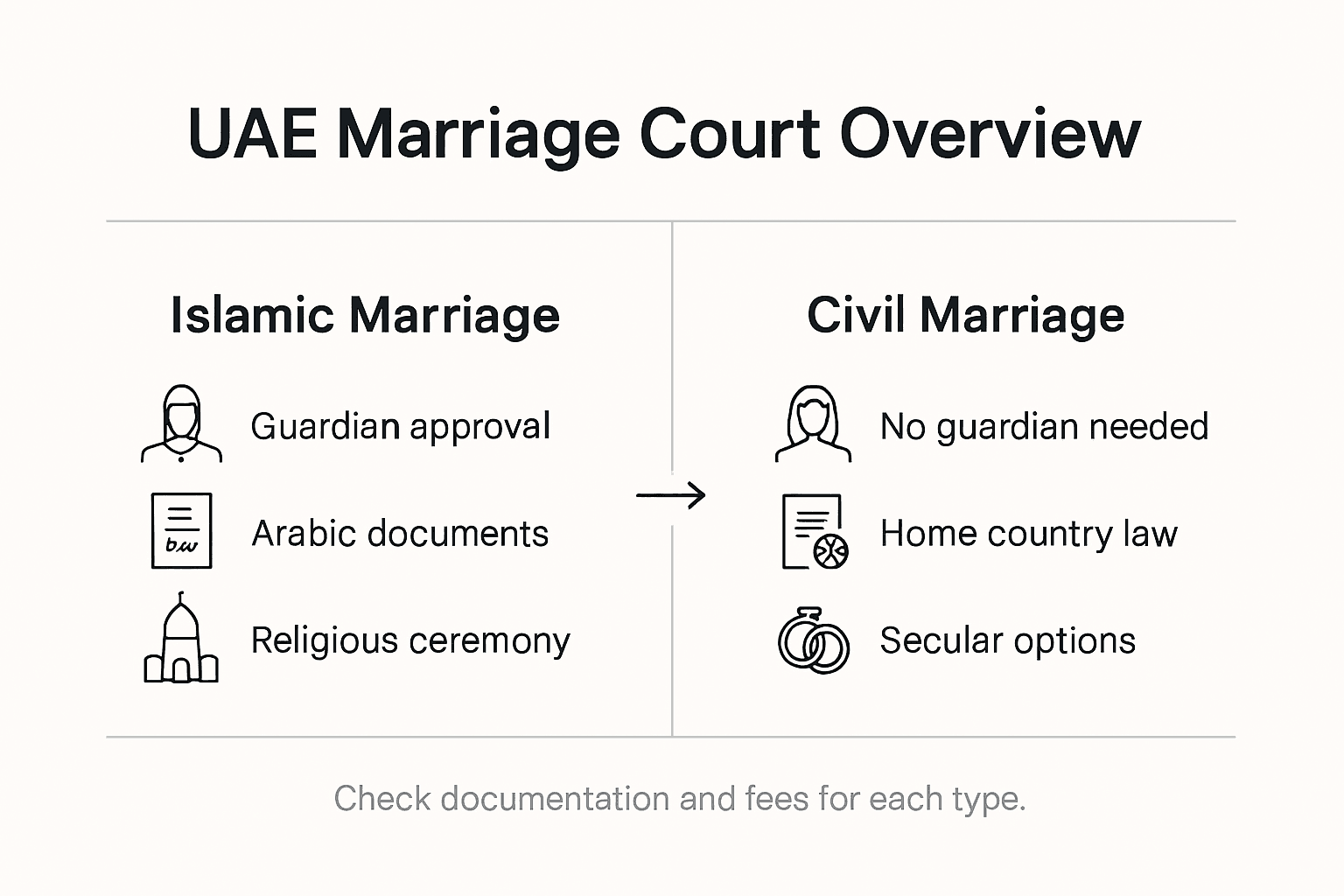
Here’s a structured overview comparing Islamic and civil marriage in the UAE:
Aspect | Islamic Marriage | Civil Marriage |
Governing Law | Sharia law | Federal Decree Law No. 41, home law |
Ceremony Requirements | Guardian consent, witnesses | Court presence, no guardian needed |
Documentation | Religious and cultural papers | Personal ID and legal contract |
Flexibility | Follows strict religious codes | Greater autonomy for couples |
Court Involvement | Sharia court registration | Civil family court registration |
Pro tip: Carefully research and consult legal professionals to understand which marriage type best suits your personal, cultural, and legal requirements before initiating the marriage process in the UAE.
How Court Procedures Work for Expats
Navigating marriage procedures in the United Arab Emirates requires expats to understand the nuanced judicial processes designed specifically for international residents. How to get a UAE marriage certificate involves a structured legal approach that varies depending on an individual’s religious background and nationality. The UAE court system has developed comprehensive procedures to accommodate the diverse expatriate population, ensuring legal recognition and protection for all marriage contracts.
For non-Muslim expatriates, the court procedures typically involve the following key steps:
Submitting a formal marriage application online
Providing comprehensive personal identification documents
Undergoing mandatory medical examinations
Attending a civil ceremony at the designated court
Paying required administrative fees
Muslim and non-Muslim expats experience slightly different court procedures. While Muslim marriages follow Sharia-compliant court protocols involving notary judges and specific religious requirements, non-Muslim marriages are processed through civil family courts. These specialized courts offer modern legal mechanisms, including options for no-fault divorce and joint custody arrangements. The Abu Dhabi Civil Family Court, for instance, provides a particularly streamlined process designed to accommodate international couples with maximum efficiency and cultural sensitivity.
The documentation requirements are rigorous and demand careful preparation. Expatriates must typically provide:
Valid passports
Proof of marital status
Medical fitness certificates
Translated and authenticated personal documents
Proof of residence in the UAE
Pro tip: Always maintain multiple certified copies of your submitted documents and keep digital backups, as these will be crucial for future legal and administrative processes in the UAE.
Court Documentation and Approval Requirements
The marriage documentation process in the United Arab Emirates demands meticulous attention to detail and comprehensive legal preparation. Types of marriage certificates UAE couples should know vary significantly, and understanding the specific documentation requirements is crucial for a successful marriage registration. UAE courts implement stringent verification processes to ensure legal compliance and protect the rights of all parties involved.
Essential documentation for marriage approval typically includes:
Valid passports for both partners
Original birth certificates
Proof of single status or divorce/death certificates
Pre-marital medical examination certificates
Genetic screening results
Embassy-issued no-objection certificates
Legal translations of all foreign documents into Arabic
The authentication process involves multiple critical steps. All foreign documents must be officially translated and certified by the UAE Ministry of Justice, with each document undergoing rigorous verification. Non-Muslim couples often require additional documentation, including embassy attestations and power of attorney documents if being represented by a legal proxy. Muslim marriages follow slightly different protocols, with Sharia courts requiring specific religious documentation and witness verification.
Financial and administrative requirements are equally important. Couples must pay standardized court fees, submit comprehensive personal identification, and comply with specific emirate-level regulations. The documentation must demonstrate clear legal eligibility, including age verification, medical fitness, and absence of legal impediments to marriage.
For quick reference, here is a summary of typical UAE marriage court documentation and approval requirements:
Document Type | Purpose | Additional Notes |
Passport | Identity verification | Both partners required |
Birth Certificate | Age and origin confirmation | Official translation needed |
Medical Fitness Certificate | Health and genetic screening | Mandatory for applicants |
Embassy Certificates | Marital status/consent | Especially for expatriates |
Pro tip: Prepare multiple certified copies of all documents and have them professionally translated well in advance of your court submission to minimize potential delays in the marriage registration process.
Legal Risks, Rights, and Common Issues
Navigating marriage in the United Arab Emirates requires a comprehensive understanding of complex legal landscapes that differ dramatically between Islamic and civil marriage frameworks. Marriage certificate attestation in Dubai represents just one critical aspect of protecting legal rights for expatriate couples facing unique regulatory challenges.
Key legal risks and potential complications include:
Medical screening disqualification
Guardian consent requirements
Potential marriage application rejection
Documentation authentication challenges
Cross-cultural legal interpretation differences
Inheritance and property rights variations
The legal framework for marriages in UAE distinguishes significantly between Muslim and non-Muslim couples. Islamic marriages operate under Sharia law, which introduces complex provisions around polygamy, dowry, and spousal rights that can substantially impact marital agreements. Non-Muslim couples benefit from more secular legal approaches, with the Civil Marriage Law providing structured dispute resolution mechanisms and clearer guidelines for divorce, child custody, and property distribution.
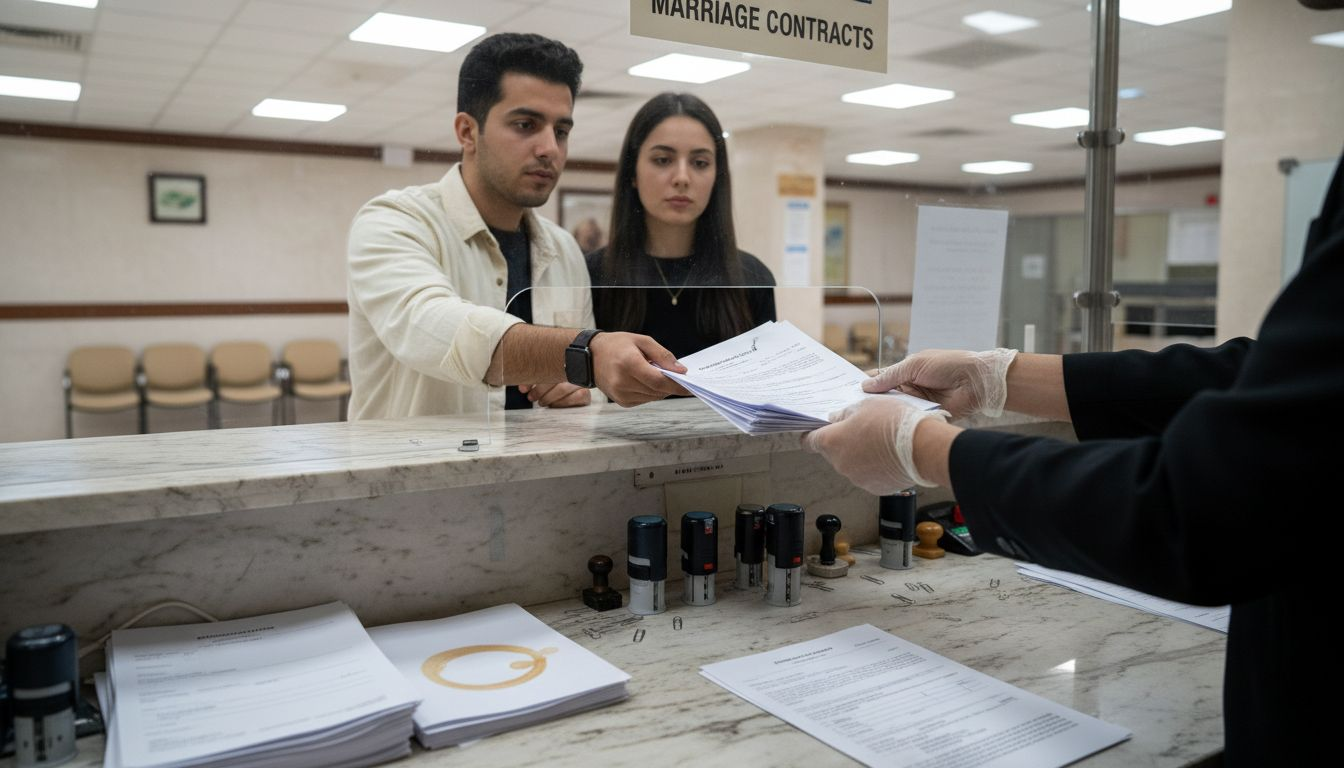
Expats must carefully navigate potential legal pitfalls by understanding jurisdiction-specific regulations. Critical areas of potential conflict include medical screening results, guardian consent protocols, and cross-cultural interpretations of marital obligations. Some emirates offer more flexible legal frameworks, while others maintain strict traditional interpretations that can unexpectedly complicate marriage processes for international residents.
Pro tip: Consult a specialized legal professional familiar with UAE marriage regulations before finalizing any marital documentation to preemptively address potential legal complications.
Simplify Your UAE Marriage Court Experience with Expert Support
Navigating the complex role of UAE courts in marriage contracts can be overwhelming for expats. From understanding required documentation like medical certificates and consular attestations to choosing between civil and Islamic marriage procedures, the legal landscape is challenging. If you want to avoid delays and legal pitfalls, personalizing your approach with professional guidance is crucial.
Harris & Charms provides comprehensive assistance tailored to expats, ensuring every legal step is handled with care and expertise. Whether it is preparing your documentation, navigating court procedures, or planning your perfect wedding event, we help you overcome hurdles and protect your rights efficiently. Our personalized service draws on experience and passion, making your marriage journey smooth and stress-free.
Discover how to make your marriage in the UAE legally sound and emotionally meaningful by visiting our main site. Learn more about the differences between civil and Islamic marriages and the legal documentation required via our detailed guides at How to Get a UAE Marriage Certificate and Legal Implications of Marriage Registration.
Ready to simplify your marriage process with trusted experts?
Start your journey today with Harris & Charms for personalized, reliable, and stress-free court and wedding support.

Frequently Asked Questions
What is the process for marriage contract registration in the UAE?
The marriage contract registration process in the UAE requires couples to submit various documents, undergo medical examinations, and attend either a Sharia court or a civil family court, depending on their religious background.
What documents are needed for expats to register a marriage in the UAE?
Expats typically need valid passports, medical certificates, proof of marital status, and translated documents as required by the courts to register their marriage in the UAE.
How do civil and Islamic marriages differ in the UAE?
Civil marriages in the UAE offer greater flexibility and do not require guardian consent, while Islamic marriages are governed by Sharia law and have specific religious requirements and protocols.
What legal risks should expats be aware of when marrying in the UAE?
Expats should be aware of legal risks such as documentation authentication challenges, medical disqualifications, and potential issues regarding guardian consent requirements, which may affect their ability to complete the marriage process.
Recommended
Why Get Married in UAE as a Foreigner: Legal and Emotional Benefits
Estate Planning for Blended Families: Protecting Your Loved Ones and Ensuring Fair Distribution - Law Office of Eric Ridley
Comments