
7-Step Marriage Checklist for Expats UAE: Complete Guide

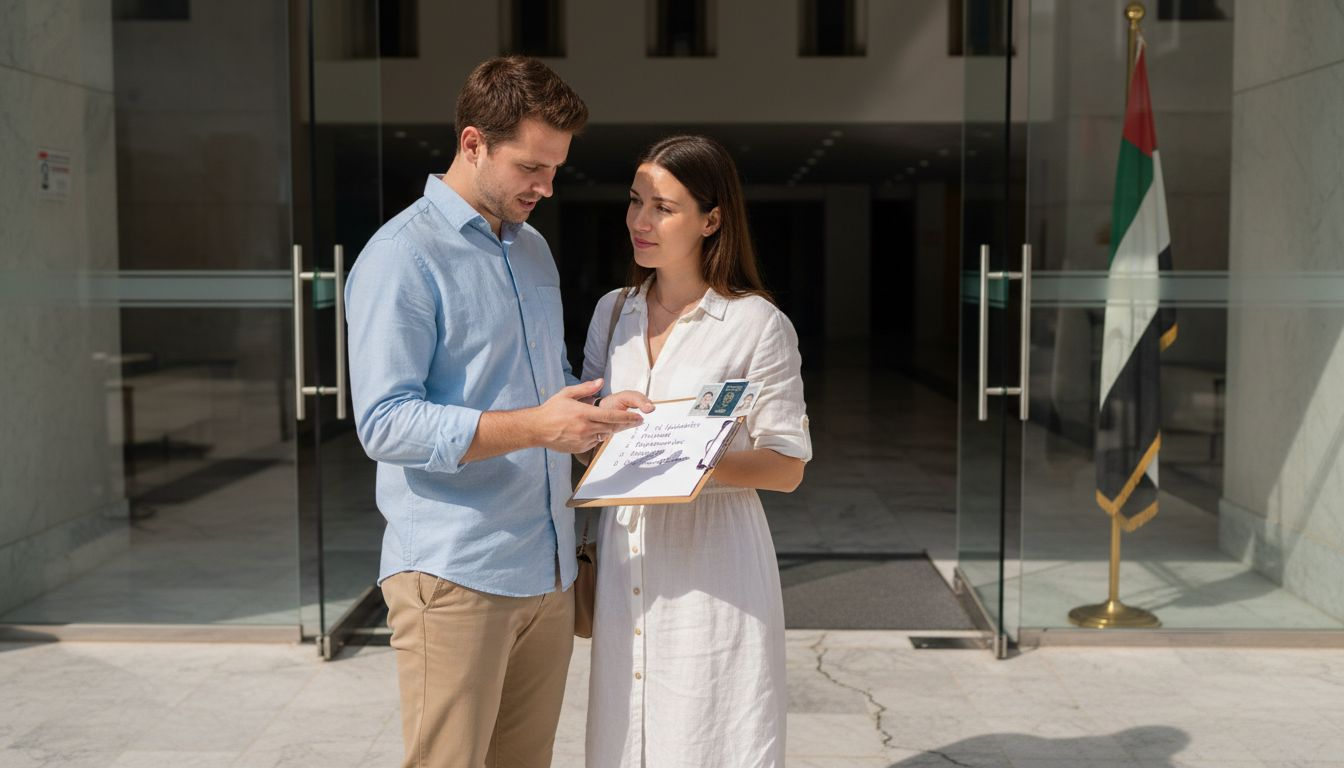
Getting legally married as an expat in the United Arab Emirates can feel confusing, especially when rules change based on religion, nationality, and even the emirate you live in. From new federal laws to strict documentation requirements, every step must be handled carefully or your marriage may not be recognized. The good news is that the UAE now offers non-Muslim residents the option to choose between following their home country’s laws or selecting alternative marriage rules inside the country, which can open up more paths to a valid union.
This guide covers every stage, from selecting the appropriate marriage type to gathering the right documents and managing post-ceremony legalities. You will discover the most important practical steps along with expert tips to make sure nothing gets missed. Explore what you need to know before your wedding day so you can approach the process with confidence and avoid surprises.
Table of Contents
Quick Summary of Marriage Checklist for Expats UAE
Takeaway | Explanation |
1. Understand Marriage Types | Choose between civil and Islamic marriage based on legal rights and personal circumstances. |
2. Prepare Required Documents | Collect and authenticate documents like passports and marriage certificates early to avoid delays. |
3. Complete Mandatory Screenings | Medical screenings are essential before marriage registration; ensure all health checks are completed. |
4. Follow Local Procedures | Each emirate has specific marriage registration procedures; confirm requirements with local authorities. |
5. Plan for Post-Marriage Steps | Obtain your marriage certificate promptly and start visa applications to secure residency. |
1. Understand UAE Marriage Requirements for Expats
Navigating marriage requirements in the United Arab Emirates can be complex for international residents. The UAE offers unique legal pathways for expats to get married, depending on their nationality, religion, and personal status.
Under the Federal Decree Law No. 41 of 2022, non-Muslim expats now have more flexibility in marriage regulations. This groundbreaking law allows non-Muslim residents to choose between two primary marriage registration routes:
Follow home country legal requirements
Select alternative personal status laws within UAE
Key eligibility criteria for marriage in the UAE include:
Minimum age of 21 for both parties
Legal capacity to enter marriage contract
Mutual consent of both individuals
No prohibited familial relationship between partners
Important: Marriage regulations differ significantly between Muslim and non-Muslim couples, making thorough research crucial before proceeding.
Expats must understand that each emirate might have slight variations in marriage procedures. Medical screening is mandatory for Muslim marriages, while civil marriages for non-Muslims have different documentation requirements.
For international couples, the process involves gathering specific documents like valid passports, residence permits, medical certificates, and potentially obtaining no objection certificates from respective embassies.
Pro tip: Always consult your specific embassy and local UAE marriage registration authorities to confirm the most current requirements for your unique situation.
2. Choose the Right Marriage Type: Civil or Islamic
Choosing the right marriage type in the United Arab Emirates is a crucial decision for expats that depends on multiple personal and legal factors. Your choice between a civil or Islamic marriage will significantly impact your legal rights and future administrative processes.
The UAE offers two primary marriage pathways for international residents:
Islamic Marriage
Civil Marriage
Islamic marriages are primarily designed for Muslim couples and follow Sharia law principles. These marriages have specific requirements including:
Religious compatibility between partners
Approval from a religious guardian
Compliance with Islamic marriage contract conditions
Under the Federal Decree-Law No. 41 of 2024, Muslim men can marry up to four wives, provided they demonstrate equal maintenance and treatment for all spouses.
Civil marriages, by contrast, are tailored for non-Muslim expats and offer more flexibility in legal frameworks. These marriages allow couples to potentially follow their home country’s legal standards or select alternative personal status laws within the UAE.
Critical Decision: Your marriage type determines legal rights, visa implications, and future administrative processes in the UAE.
Key considerations when selecting your marriage type include religious background, personal preferences, long-term residency plans, and potential visa implications. Some expats opt for Islamic marriage vs civil marriage based on cultural heritage or specific legal advantages.
Practical factors to evaluate include:
Visa sponsorship opportunities
Inheritance rights
Child custody regulations
Future residency prospects
Pro tip: Consult with legal experts specializing in UAE marriage laws to understand the nuanced implications of each marriage type for your specific personal circumstances.
3. Gather All Essential Legal Documents
Successful marriage registration in the United Arab Emirates hinges on meticulous document preparation. Expats must navigate a complex landscape of legal requirements that demand precise documentation and authentication.
Essential documents for marriage registration typically include:
Valid international passports
Emirates ID (for resident expats)
Proof of marital status
Single status certificates
Divorce decrees
Death certificates (if previously married)
Specific documentation requirements can vary significantly between different emirates. Comprehensive document preparation becomes critical to avoid potential registration delays or rejections.
For civil marriages, expats must ensure all documents meet stringent authentication standards. Key examples of legal marriage documents often require additional processing steps like sworn translations and official legalizations.
Critical document preparation steps:
Verify document validity and current status
Obtain certified translations into Arabic or English
Authenticate documents through appropriate government channels
Acquire necessary consular letters or civil status extracts
Important: Document requirements can change rapidly. Always confirm current standards with official UAE marriage registration authorities.
Non-Arabic and non-English documents must undergo rigorous translation and legalization processes. This often involves multiple government departments and can be time consuming.
Additional considerations include:
Ensuring document consistency across different governmental records
Matching names exactly as they appear on official identification
Preparing backup copies of all submitted documentation
Pro tip: Create a comprehensive digital and physical file of all original and translated documents, organized chronologically to streamline your marriage registration process.
4. Schedule and Attend Pre-Marriage Procedures
Pre-marriage procedures in the UAE represent a critical administrative and health screening phase that all prospective couples must navigate carefully. Understanding and completing these procedures efficiently can significantly streamline your marriage registration process.
Mandatory pre-marriage screening requirements typically include:
Medical health screenings
Infectious disease testing
Genetic disorder assessments
Premarital counseling sessions
For Muslim residents, the Islamic marriage steps include comprehensive medical and administrative evaluations. These screenings serve multiple purposes:
Verify overall health status
Identify potential genetic risks
Ensure infectious disease clearance
Provide counseling for marital preparedness
Key medical screenings cover critical health parameters:
HIV testing
Hepatitis B and C screening
Syphilis examination
Genetic blood disorder assessment
Important: Premarital health screening certificates are mandatory for marriage registration in most UAE emirates.
Typical pre-marriage procedure sequence:
Book appointments at accredited health facilities
Complete comprehensive medical examinations
Obtain official medical clearance certificates
Attend mandatory counseling sessions
Submit medical documentation to marriage registration authorities
Procedural considerations:
Civil marriages might have different screening requirements
Each emirate may have slight variations in screening protocols
Some tests require multiple appointments
Medical reports typically remain valid for a limited time period
Pro tip: Schedule your medical screenings well in advance and request copies of all medical documentation to prevent potential registration delays.
5. Arrange Attestation and Translation Services
Documents play a critical role in international marriages and navigating the UAE’s complex legal landscape requires precise document preparation. Legal document authentication becomes essential for expats seeking marriage recognition both in the UAE and internationally.
Key document requirements include:
Certified translations
Official attestations
Ministry of Foreign Affairs approval
Embassy verification
The UAE marriage certificate translation process involves multiple administrative steps ensuring legal validity across different jurisdictions.
Comprehensive attestation involves:
Obtaining sworn translations
Notarizing original documents
Securing UAE Ministry of Foreign Affairs stamp
Acquiring embassy authentication
Critical Insight: Each document must be translated by certified translators and authenticated by multiple governmental bodies.
Special considerations for expats include:
Some documents require translation into Arabic
Translation costs vary by document complexity
Turnaround times can range from 3-10 business days
Additional embassy fees might apply
Typical documents requiring attestation:
Passports
Birth certificates
Divorce certificates
Single status certificates
Educational qualifications
Understanding the intricate legal validation process helps prevent potential registration delays or rejections.
Pro tip: Always maintain multiple original copies of your documents and schedule attestation services at least two weeks before your intended marriage registration date.
6. Plan Your Wedding Day Logistics
Successful wedding logistics in the UAE require meticulous planning and understanding of local administrative procedures. Your wedding day experience will depend heavily on selecting the right venue and preparing all necessary documentation in advance.
Wedding venue selection criteria:
Legal authorization status
Capacity and accommodation
Cultural and religious compatibility
Accessibility for witnesses
Proximity to registration authorities
For expats, the UAE marriage planning services can provide crucial guidance through the intricate local requirements.
Key logistical considerations:
Book official ceremony appointment
Confirm venue documentation requirements
Prepare witness details
Arrange transportation
Verify dress code compliance
Important: Each emirate may have unique administrative protocols for wedding ceremonies.
Ceremony preparation checklist:
Bring all original documents
Confirm mutual consent
Arrange official witnesses
Understand local cultural expectations
Prepare for potential language translation needs
Additional logistical factors:
Civil marriages occur at government offices
Religious ceremonies have specific procedural requirements
Some venues require advance booking and deposits
Translation services might be necessary on-site
Documentation management:
Carry multiple document copies
Ensure all certificates are current
Have official identification readily available
Understand post-ceremony certificate collection process
Pro tip: Schedule a preliminary venue visit and confirm all administrative requirements at least two weeks before your wedding date to prevent last-minute complications.
7. Complete Post-Marriage Legalities and Visas
After your wedding ceremony, navigating the complex landscape of post-marriage administrative requirements becomes crucial for expats in the United Arab Emirates. Your marriage documentation directly impacts your legal status and future residency opportunities.
Key post-marriage administrative steps:
Obtain official marriage certificate
Process spousal visa application
Update residency documents
Register marriage with relevant authorities
Complete medical insurance updates
Understanding the UAE marriage visa requirements helps streamline your transition into married life as an expatriate.
Visa and residency process sequence:
Collect authenticated marriage certificate
Submit spousal visa application
Complete mandatory medical examinations
Provide required financial documentation
Attend visa processing interview
Critical Insight: Timely and accurate documentation is essential for successful visa processing.
Potential spousal visa categories:
Dependent visa
Work permit sponsorship
Family residency permit
Golden visa eligibility
Documentation requirements typically include:
Original marriage certificate
Valid passports
Proof of financial stability
Marriage certificate translation
Passport-sized photographs
Potential challenges to anticipate:
Processing time variations
Additional embassy authentication
Potential request for supplementary documents
Emirate-specific administrative nuances
Pro tip: Maintain multiple copies of all marriage and identification documents and start visa processing immediately after your wedding to minimize potential administrative complications.
Below is a structured comprehensive table summarizing the essential procedures and considerations for expats seeking to get married in the United Arab Emirates (UAE), as outlined in the article.
Topic | Details | Key Recommendations |
Marriage Requirements | Minimum age is 21, legal capacity for the contract, mutual consent, no prohibited familial relationship among partners. | Research specific emirate requirements and consult local authorities for guidance. |
Marriage Types | Civil marriage (non-Muslims) and Islamic marriage (Muslims), each governed by specific legal and religious regulations. | Choose based on personal background, religious beliefs, and future considerations such as visa eligibility. |
Documentation | Passports, Emirates ID, certificates of single status or divorce, medical health certificates, and any embassy-specific documents. | Collect and prepare all required documents in advance; verify their validity and arrange legalized translations. |
Pre-Marriage Procedures | Medical screenings are mandatory, with requirements varying based on marriage type. | Schedule medical tests promptly to obtain clearance certificates; consult health professionals for thorough evaluations. |
Legal Formalities | Authentication of documents through translations, notarizations, and governmental approvals required for recognition in and outside the UAE. | Initiate this process ahead of required deadlines and budget adequate time for completion. |
Post-Marriage Legalities | Securing an official marriage certificate, updating residency details, and applying for associated visas based on marital status. | Begin post-marriage tasks immediately after the ceremony to avoid procedural delays. |
Wedding Logistics | Venue compliance with legal requirements, preparations for cultural norms, scheduled ceremony attendance, and witness readiness. | Coordinate venue selection and confirm all procedural requirements two weeks in advance; maintain a robust ceremony checklist. |
Simplify Your UAE Marriage Journey with Expert Support
Navigating the 7-step marriage checklist for expats in the UAE can be overwhelming. From understanding marriage requirements and gathering essential legal documents to pre-marriage screenings and post-marriage visa processes, every step demands attention to detail and timely action. Common challenges like document attestation, choosing between civil or Islamic marriage, and managing wedding day logistics can create stress and uncertainty for couples.
Harris & Charms offers personalized assistance tailored to your unique situation. Whether you need help with legal document processing, arranging attestation and translation services, or planning your wedding ceremony seamlessly, our experienced team guides you through every phase. Benefit from our trusted expertise and the emotional assurance that comes from a service built on a real love story.
Take control of your marriage journey today by exploring our comprehensive solutions at Harris & Charms. Get detailed insights on UAE marriage certificate translation and learn about Islamic marriage steps in Dubai to make informed decisions confidently.
Ready to turn your marriage plans into reality with expert help at every stage?

Visit Harris & Charms now and start your stress-free wedding and legal documentation process in the UAE today.
Frequently Asked Questions
What documents do I need for the marriage registration process in the UAE?
To register your marriage in the UAE, you will typically need valid international passports, Emirates IDs (for residents), proof of marital status, and single status certificates. Prepare these documents ahead of time to avoid delays during the registration process.
How do I choose between a civil marriage and an Islamic marriage in the UAE?
Choosing between a civil marriage and an Islamic marriage depends on your personal preferences and legal implications. Assess your religious background, legal rights, and long-term residency plans to make an informed decision before proceeding.
What steps should I follow for pre-marriage health screenings in the UAE?
To complete pre-marriage health screenings, book appointments at accredited health facilities for tests that include infectious disease screenings and genetic assessments. Ensure you obtain official medical clearance certificates before your marriage registration date.
How do I arrange for the attestation and translation of my marriage documents?
To ensure your marriage documents are valid, obtain certified translations and official attestations, including the Ministry of Foreign Affairs approval. Schedule these services at least two weeks prior to your marriage registration to allow sufficient processing time.
What should I do immediately after my wedding ceremony regarding legalities and visas?
After your wedding, promptly apply for your spousal visa and obtain an official marriage certificate for legal status updates. Gather all necessary documents and submit them immediately to streamline the visa processing and minimize waiting periods.
How can I effectively plan the logistics of my wedding day in the UAE?
To plan your wedding logistics, select a suitable venue and confirm all required documentation and details well in advance. Check local administrative protocols and prepare a checklist to ensure a smooth, stress-free wedding experience.
Recommended
Comments