
Legal Age for Marriage UAE: Complete Guide

Updated: Dec 27, 2025
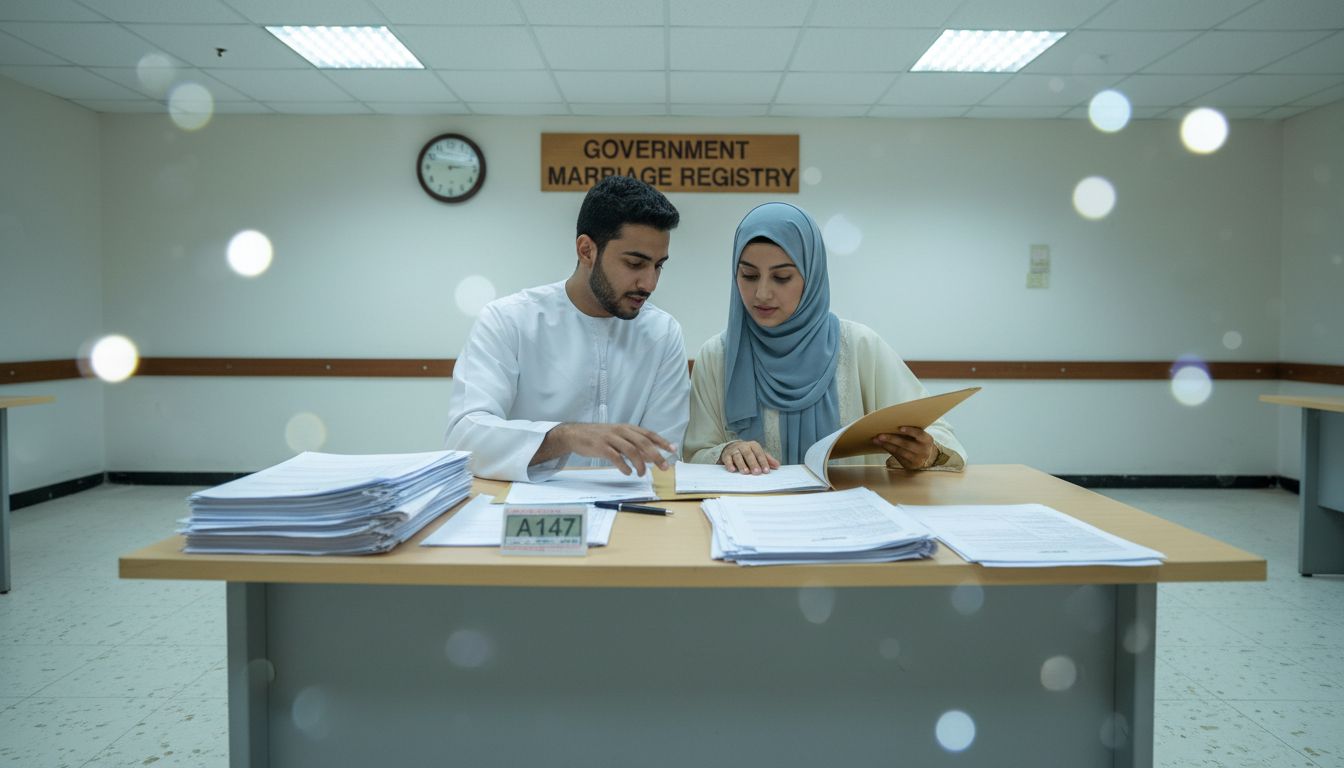
Over 80 percent of American couples moving to the United Arab Emirates face confusion about the legal age for marriage. Knowing these rules is vital, especially as recent updates have set clear standards meant to protect personal rights across all Emirates. Whether you are planning a wedding or helping someone navigate the paperwork, understanding the UAE’s age and consent laws for marriage helps prevent costly mistakes and supports informed decisions every step of the way.
Table of Contents
Key Takeaways
Point | Details |
Legal Marriage Age | The minimum legal age for marriage in the UAE is 18 years, applicable across all Emirates. |
Judicial Oversight | Individuals over 18 can appeal guardian refusals for marriage, ensuring respect for personal autonomy. |
Underage Marriage Protections | Stricter regulations exist to prevent underage marriages, with serious legal consequences for violations. |
Documentation Requirements | Accurate and complete documentation is essential for marriage registration, with specific translations and attestations needed. |
Defining Legal Age for Marriage in UAE
Understanding the legal age for marriage in the United Arab Emirates (UAE) is crucial for anyone considering matrimony in this region. Recent legislative changes have established clear guidelines to protect individuals and standardize marriage practices across the country. The UAE has implemented a definitive minimum marriage age of 18 years, reflecting a significant step toward protecting individual rights and ensuring informed marital consent.
According to the new legal implications of marriage in the UAE, individuals must be at least 18 years old to legally enter into marriage. This regulation applies uniformly across all Emirates, creating a consistent standard that prioritizes the maturity and autonomy of potential spouses. While previously marriage laws varied, the updated Personal Status Law now provides a clear, unambiguous framework for marriage eligibility.
Key aspects of the UAE’s marriage age regulations include:
Strict enforcement of the 18-year minimum age requirement
Judicial mechanisms for reviewing guardian-related marriage refusals
Protection of minors from early or forced marriages
Standardized legal procedures across all Emirates
Interestingly, the law also includes provisions for individuals over 18 who might face challenges with guardian approvals. In such cases, individuals have the right to appeal guardian refusals through judicial channels, ensuring that personal autonomy is respected while maintaining family consultation practices. This balanced approach demonstrates the UAE’s commitment to protecting individual rights while preserving cultural marriage traditions.
Civil vs Islamic Marriage Age Requirements
The UAE has established comprehensive regulations that define marriage age requirements for both civil and Islamic marriages, ensuring consistent legal standards across different marriage frameworks. While the fundamental age requirement remains consistent, there are nuanced differences in how these marriage types approach age verification and consent. Understanding these distinctions is crucial for couples planning their matrimonial journey in the United Arab Emirates.

In the realm of Islamic marriage procedures, the minimum age remains strictly 18 years for both parties, reflecting the legal provisions of the Personal Status Law. Islamic marriage ceremonies, known as Nikah, must adhere to these age guidelines, with judicial oversight to prevent underage marriages. The religious framework emphasizes not just age but also the importance of mutual consent and familial approval.
Key differences between civil and Islamic marriage age requirements include:
Uniform 18-year minimum age across both marriage types
Consistent judicial review mechanisms
Requirement for explicit consent from both parties
Similar documentation and verification processes
Civil marriage procedures in the UAE mirror Islamic marriage regulations regarding age, with explicit requirements that both parties must be at least 18 years old. The legal framework provides additional protections by mandating comprehensive documentation, parental or guardian consent for younger individuals, and judicial mechanisms to review potential marriage arrangements. These standardized requirements demonstrate the UAE’s commitment to protecting individual rights while respecting cultural marriage traditions.
Exceptions and Parental Consent Rules
The UAE’s marriage laws have evolved significantly, introducing nuanced parental consent rules that balance individual autonomy with traditional family consultation practices. While the standard minimum marriage age remains 18, the legal framework provides specific mechanisms for handling exceptional circumstances and potential guardian objections. Understanding these rules is crucial for individuals navigating marriage procedures in the Emirates.
Under the new 7 key steps for marriage requirements in the UAE, individuals over 18 have the legal right to marry without mandatory parental consent. If a guardian opposes the marriage, the prospective spouse can appeal directly to a judicial authority. This provision ensures that adult individuals retain significant decision-making power regarding their marital choices while still respecting familial input.
Key exceptions and consent considerations include:
Judicial review process for guardian objections
Right to appeal marriage refusals for individuals over 18
Consideration of individual national legal requirements
Potential age gap evaluations requiring additional judicial approval
The legal framework introduces additional protections by requiring comprehensive assessments when significant age differences exist between prospective spouses. Judicial authorities carefully evaluate such marriages to ensure both parties enter the union voluntarily and without undue pressure. This approach demonstrates the UAE’s commitment to protecting individual rights while maintaining a balanced approach to marriage regulations that respects both personal autonomy and cultural traditions.
Legal Ramifications of Underage Marriage
The United Arab Emirates has implemented stringent legal safeguards to protect minors from unauthorized marriages, establishing comprehensive regulations that carry significant consequences for violations. These legal measures represent a robust framework designed to prevent exploitation and ensure the protection of individuals who have not reached legal maturity. The consequences of attempting to circumvent these marriage age restrictions extend far beyond simple administrative penalties.
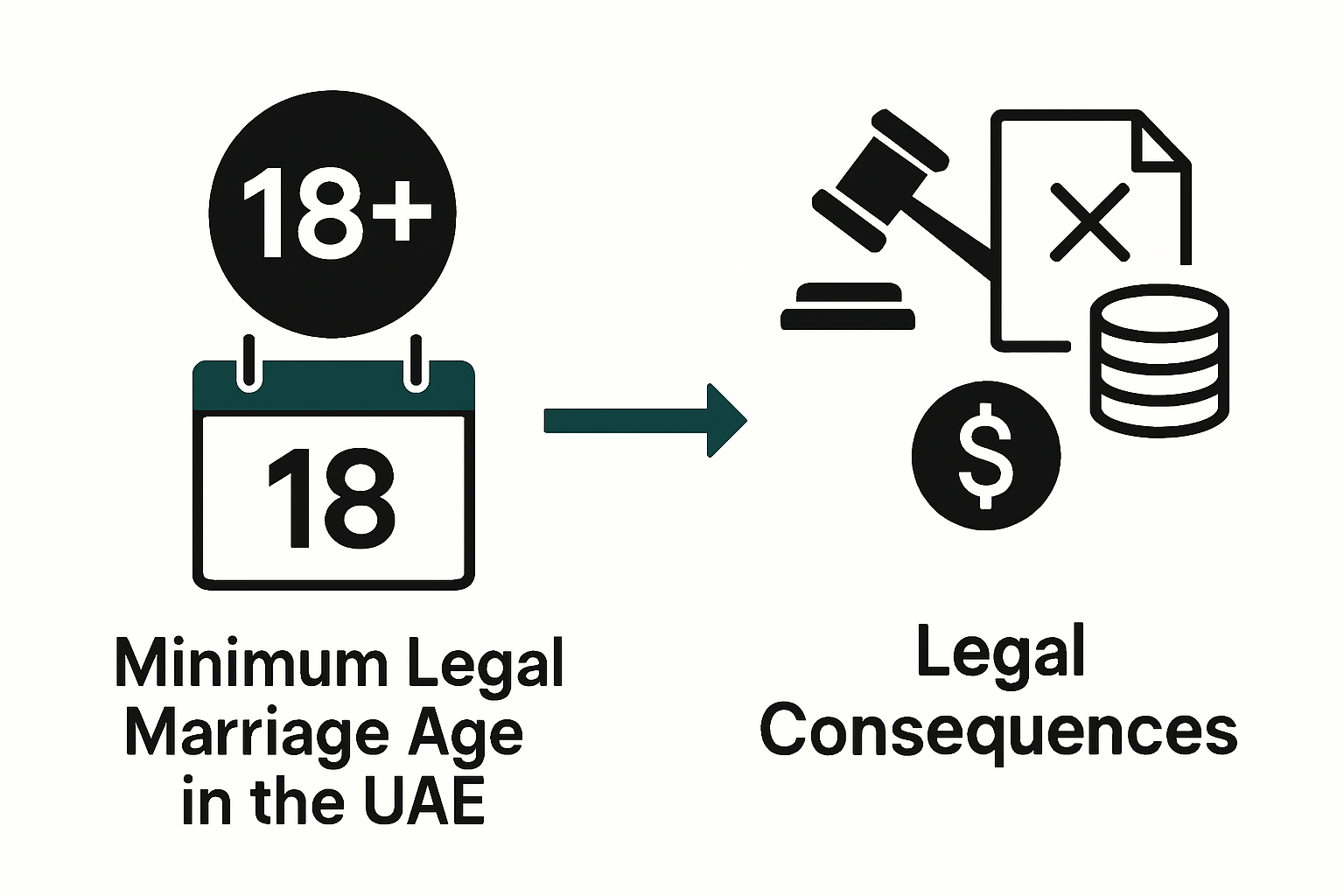
Under the legal implications of marriage in the UAE, underage marriage attempts can trigger multiple legal interventions. Potential ramifications include criminal prosecution, substantial financial penalties, and immediate invalidation of any marriage contract involving individuals under 18. The legal system takes these violations extremely seriously, viewing them as direct challenges to the fundamental protections designed to safeguard young individuals from potential manipulation or coercion.
Key legal consequences for underage marriage include:
Criminal charges against individuals facilitating underage marriages
Potential imprisonment for guardians or officials who approve such unions
Automatic nullification of marriage contracts
Substantial financial penalties ranging from significant fines to comprehensive legal sanctions
Mandatory legal intervention to protect the minor’s interests
The UAE’s legal framework goes beyond mere punitive measures, establishing proactive mechanisms to prevent underage marriages. Judicial authorities are empowered to conduct comprehensive investigations, assess potential risks, and implement protective measures. This approach demonstrates a holistic commitment to protecting individual rights, ensuring that young people are shielded from potential exploitation while maintaining a balance between legal protection and cultural sensitivity.
Document Verification and Common Pitfalls
Navigating the marriage documentation process in the United Arab Emirates requires meticulous attention to detail and comprehensive understanding of the verification requirements. The legal framework demands stringent documentation protocols that can overwhelm couples unfamiliar with the intricate administrative landscape. Proper document preparation becomes a critical step in ensuring a smooth marriage registration experience.
The 7 key steps for marriage requirements in the UAE emphasize the importance of precise document verification. Both local and expatriate couples must present original identification documents, including passports, Emirates IDs, and national identification cards. Foreign nationals face additional complexity, as all non-Arabic documents must undergo official translation and receive legal attestation from authorized government entities.
Common documentation pitfalls to avoid include:
Submitting expired identification documents
Failing to obtain official Arabic translations
Incomplete attestation of international documents
Mismatched information across different identification papers
Not verifying document authenticity through official channels
The UAE’s documentation verification process involves multiple layers of scrutiny, including cross-referencing personal information, validating document authenticity, and ensuring compliance with specific marriage registration requirements. Couples must anticipate potential challenges by preparing comprehensive documentation packages, obtaining necessary translations well in advance, and consulting official sources to understand the precise requirements for their specific marital circumstances.
Seamless Support for Meeting the Legal Age Requirements of Marriage in the UAE
Navigating the complexities of the UAE’s strict legal age and documentation requirements for marriage can feel overwhelming. Whether you are ensuring you meet the minimum age of 18, handling parental consent issues, or avoiding common pitfalls in document verification, understanding these challenges early helps prevent delays and legal complications. Harris & Charms offers expert guidance through every step of your civil or Islamic marriage journey, making sure you comply fully with the Personal Status Law and judicial processes.

Take control of your wedding plans today with trusted assistance for legal documentation, venue management, and personalized event coordination. Visit Harris & Charms to explore how our dedicated team can simplify your path to a lawful and joyous marriage experience in the UAE. Get started now and turn your dream wedding into reality without the stress of legal uncertainties or paperwork setbacks.
Frequently Asked Questions
What is the legal age for marriage in the UAE?
The legal age for marriage in the UAE is 18 years old for both males and females, as established by recent legal reforms.
Are there exceptions to the minimum marriage age in the UAE?
No, the minimum marriage age is strictly enforced at 18 years old. However, individuals over 18 can appeal guardian refusals through judicial channels if necessary.
What are the legal consequences of underage marriage in the UAE?
Underage marriage attempts can lead to criminal prosecution, invalidation of the marriage contract, and substantial financial penalties for those facilitating such unions.
What documents are required to get married in the UAE?
Couples must provide original identification documents, such as passports and Emirates IDs. Foreign documents must be translated into Arabic and attested by authorized entities.
Recommended
Comments