
7 Advantages of Islamic Marriage in UAE: 30% Faster Process

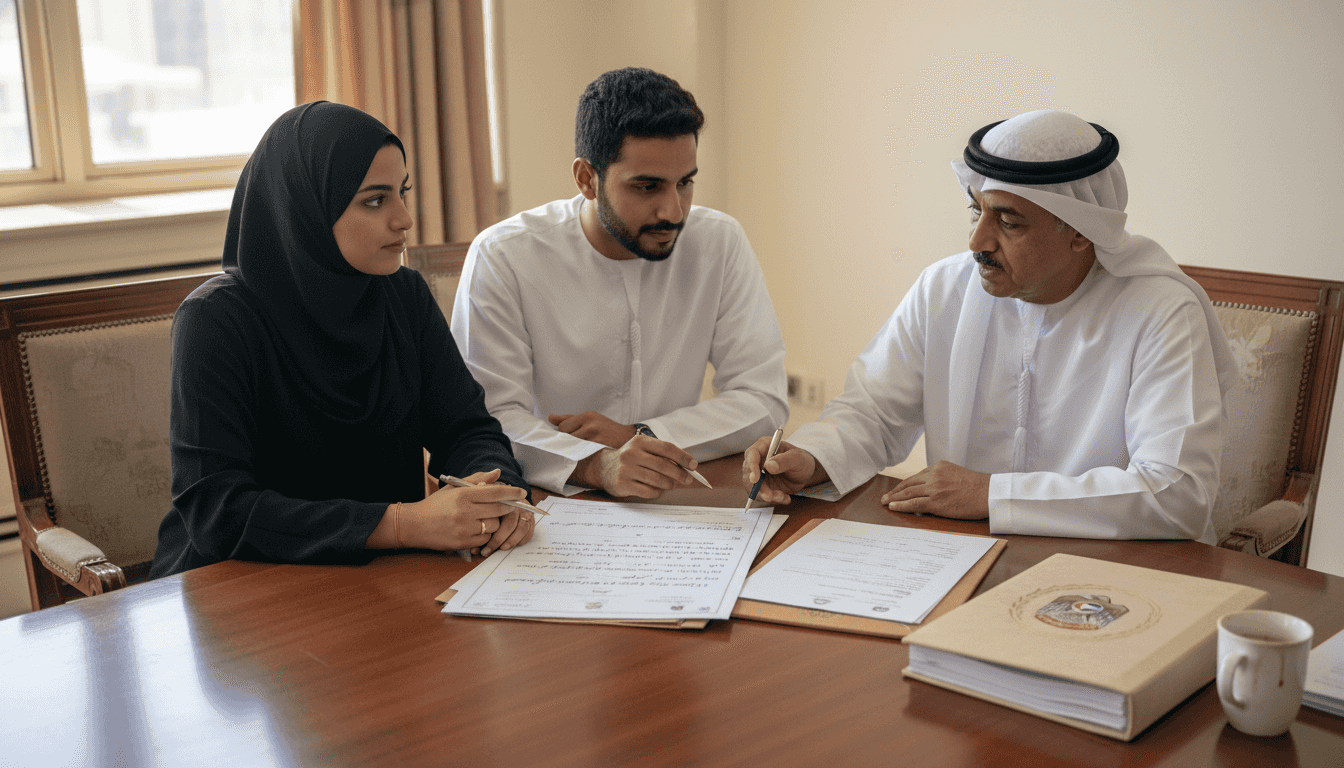
Choosing between Islamic and civil marriage in the UAE can feel overwhelming, especially for expat couples navigating unfamiliar legal systems. Your decision impacts everything from legal protections and documentation requirements to cultural acceptance and costs. Islamic marriage offers distinct advantages that align with both religious values and practical needs, making it an attractive option for many couples in the UAE. This guide breaks down the key benefits and walks you through the decision making process.
Table of Contents
Key Takeaways
Point | Details |
Legal Recognition | Islamic marriages receive full UAE legal protection under Personal Status Law with international validity. |
Cost Efficiency | Registration fees are approximately 30% lower than civil marriage options. |
Documentation Support | Professional services streamline the process, reducing approval times by about 30%. |
Marital Rights | Sharia courts enforce maintenance, inheritance, and custody rights aligned with Islamic principles. |
Cultural Integration | Strong community support and family acceptance enhance marital stability and social bonds. |
How to Choose the Right Marriage Framework in the UAE
Your marriage framework decision hinges on five critical factors. Legal recognition and spousal rights top the priority list because they determine your protections under UAE law and abroad. Documentation ease directly affects your wedding timeline and stress levels, particularly if you’re dealing with multiple government entities.
Cultural and familial fit matters more than you might think. The approval and support from your community can significantly impact your married life in the UAE. Dispute resolution mechanisms vary between marriage types, with Islamic marriages handled through Sharia courts and civil marriages through civil courts.
Costs and service availability round out your evaluation criteria. Registration fees, processing times, and access to professional facilitation services differ substantially. Understanding civil vs Islamic marriage differences in UAE helps you weigh these factors against your priorities.
Legal recognition determines your rights domestically and internationally
Documentation complexity impacts timeline and professional service needs
Cultural alignment affects family acceptance and community integration
Dispute resolution pathways reflect different legal philosophies
Cost considerations include fees, processing times, and service charges
The benefits of legalizing marriage in UAE extend beyond paperwork. Your choice creates the foundation for your legal protections, inheritance rights, and family planning in the Emirates.
Legal Advantages of Islamic Marriage in the UAE
Islamic marriage contracts carry full legal weight under UAE Personal Status Law. Islamic marriage registered in UAE is officially recognized under UAE Personal Status Law, offering clear spousal rights and lower fees. This recognition translates into enforceable rights and protections for both spouses.
Registration fees run approximately 30% less than civil marriage options. You’ll save on government processing charges while securing the same level of legal validity. This cost advantage matters especially for couples managing tight wedding budgets.
International recognition extends across over 50 Muslim majority countries. If you or your spouse hold citizenship in nations like Pakistan, Egypt, Malaysia, or Indonesia, your UAE Islamic marriage documentation transfers smoothly. This portability proves invaluable for expat couples who may relocate or need to handle legal matters across borders.
Sharia courts handle all family law matters for Islamic marriages. These specialized courts understand cultural nuances and apply Islamic jurisprudence to disputes. The legal benefits of marriage in UAE include access to judges trained in both civil law and Sharia principles.
Lower registration costs compared to civil marriage frameworks
Full legal recognition under UAE Personal Status Law
International validity in Muslim majority nations
Specialized court system aligned with Islamic values
Clear enforcement mechanisms for spousal rights
“Islamic marriage provides legally binding protections while honoring religious and cultural traditions, making it ideal for couples seeking both spiritual and legal alignment.”
The advantages of marriage registration in UAE compound when you choose Islamic marriage. You gain both spiritual fulfillment and concrete legal safeguards. Even Dubai destination wedding recognition extends to Islamic ceremonies performed in the Emirates.
Documentation Process and Service Facilitation
You’ll need four essential documents to register your Islamic marriage. Valid identification documents for both parties come first, typically passports for expats. Current residency permits prove your legal status in the UAE. Consent forms confirm that both parties enter the marriage voluntarily, and the Nikah contract serves as your official Islamic marriage agreement.
The registration follows four clear steps. First, gather and prepare all required documents with proper translations if needed. Second, draft and sign the Nikah contract with witnesses present, ensuring all terms meet Sharia requirements. Third, submit your complete documentation package to the relevant Sharia court or marriage office. Fourth, obtain legal attestation from appropriate authorities to validate your marriage certificate.
Islamic marriage registration in the UAE requires ID, residency, consent forms, and Nikah contract; professional services can streamline the process by approximately 30%. This acceleration comes from expert knowledge of requirements and direct relationships with processing authorities.
Common pitfalls slow down many couples. Incomplete documentation packages trigger automatic rejections and restart the entire process. Missing translations for foreign language documents cause delays. Incorrectly formatted consent forms fail validation checks. Professional services eliminate these issues through experience and quality control.
Compile all identification and residency documents with certified translations
Draft your Nikah contract with clear terms agreed by both parties
Schedule and complete your marriage registration at the designated office
Obtain attestation from relevant authorities to finalize legal recognition
The Islamic marriage requirements UAE might seem complex initially, but breaking them into steps makes the process manageable. Following the step-by-step Islamic marriage registration in UAE guide ensures you don’t miss critical details.
Pro Tip: Start your document preparation at least two months before your intended wedding date. This buffer accommodates unexpected delays in obtaining translations, attestations, or corrections. Services offering Islamic marriage documentation support can compress this timeline significantly.
The Islamic marriage registration process varies slightly between emirates. Dubai and Abu Dhabi have streamlined systems, while other emirates may require additional steps. Professional assistance navigates these regional variations efficiently.
Marital Rights Guaranteed Under Islamic Law
Sharia compliant family law in the UAE protects specific rights for both spouses. Maintenance rights ensure financial support obligations are legally enforceable. Inheritance rights follow Islamic principles, giving spouses clear entitlements to estate portions. Child custody rights receive protection with frameworks that prioritize children’s welfare while respecting parental roles.
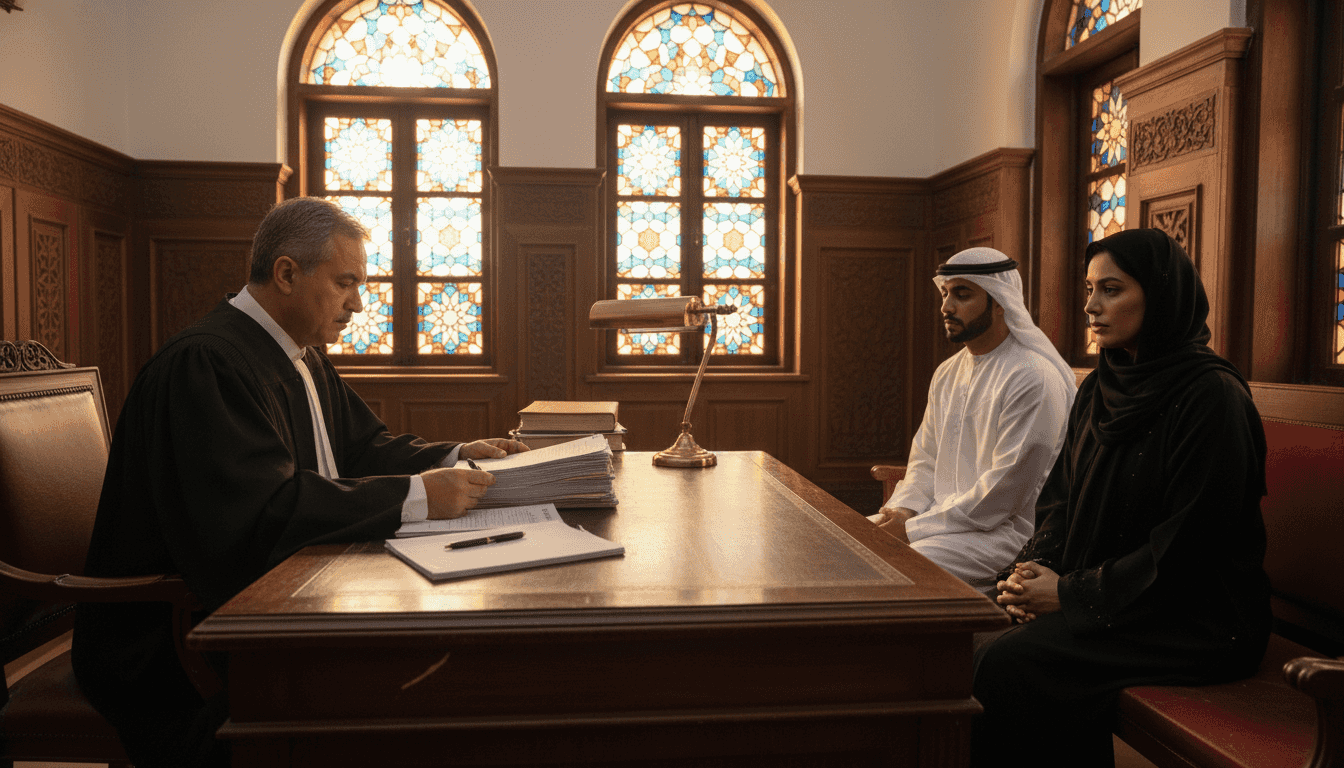
UAE Sharia courts enforce women’s rights in marriage and divorce, and guarantee maintenance, inheritance, and custody rights under Islamic law. These protections aren’t theoretical; courts actively enforce them through binding judgments.
Sharia courts hold exclusive jurisdiction over family law matters for Islamic marriages. When disputes arise, you’ll present your case before judges trained in Islamic jurisprudence. This specialization means your case receives consideration through a culturally appropriate lens.
Women’s rights during marriage and divorce receive particular attention. The law mandates financial support during marriage and specifies divorce settlements. Property rights, custody arrangements, and support obligations all fall under enforceable provisions. Understanding marital rights under UAE Islamic law helps you appreciate these protections.
Financial maintenance obligations are legally binding and enforceable
Inheritance rights follow clear Islamic succession principles
Custody rights balance parental roles with child welfare priorities
Divorce settlements include specified support and property rights
Women receive explicit protections during marriage and separation
Dispute resolution through Sharia courts aligns with Islamic values while maintaining legal rigor. Judges consider religious texts, scholarly interpretations, and UAE statutory law when making decisions. This integration creates outcomes that respect your faith while providing legal certainty.
Cultural and Social Community Benefits
Islamic marriage strengthens family and community ties in ways that extend beyond legal frameworks. Your extended family and community members recognize and celebrate Islamic marriage ceremonies according to shared traditions. This recognition creates immediate social bonds and support networks.
Marital stability correlates with shared Islamic principles and community acceptance. When your marriage aligns with community values, you gain built in support systems during challenges. Studies show that couples embedded in supportive religious communities report higher satisfaction and lower divorce rates.
Expat couples benefit particularly from cultural approval. Choosing Islamic marriage signals respect for local traditions and Islamic values. This choice eases integration into UAE society and builds bridges with local communities. Social acceptance reduces the isolation many expats experience.
Immediate recognition and celebration by extended families
Access to community support networks during marital challenges
Higher reported satisfaction among couples sharing religious values
Easier social integration for expat couples in UAE society
Reduced cultural friction with local communities and traditions
The cultural traditions in Islamic weddings create memorable celebrations that honor your heritage. These traditions bring meaning and depth to your marriage ceremony. The social community benefits of Islamic marriage accumulate over years as you build your life together in the UAE.
Community acceptance translates into practical support. Friends and family offer help with childcare, provide business connections, and create social circles. These networks prove invaluable for expats building new lives in the Emirates.
Summary Comparison of Islamic Marriage Advantages
Category | Islamic Marriage Advantages | Key Benefit |
Legal Status | Full recognition under Personal Status Law | Enforceable rights and protections |
Cost | 30% lower registration fees | Budget friendly for couples |
Documentation | Streamlined with professional services | Faster processing and fewer delays |
Marital Rights | Comprehensive Sharia protections | Clear maintenance, inheritance, custody rights |
Cultural Fit | Strong community acceptance | Enhanced social support and stability |
International Recognition | Valid in 50+ Muslim countries | Simplified expat legal matters |
Dispute Resolution | Specialized Sharia courts | Culturally aligned judgments |
This comparison highlights where Islamic marriage excels for couples in the UAE. The combination of legal recognition, cultural support, and cost efficiency makes it compelling for many expats. The civil vs Islamic marriage comparison in UAE provides additional context for weighing your options.
Documentation complexity decreases significantly when you work with experienced service providers. They navigate regional variations and regulatory requirements efficiently. The result is faster approvals and less stress during your wedding planning.
Your decision should weigh these advantages against your specific circumstances. Consider your citizenship, religious background, family expectations, and long term plans. The table provides a framework for evaluating how Islamic marriage aligns with your priorities.
Situational Recommendations for Couples
Choose Islamic marriage if you need international recognition beyond UAE borders. Expats with ties to Muslim majority countries benefit from automatic validity of their marriage documentation. This recognition eliminates complex legalization processes when dealing with home country authorities.
Religious and cultural alignment makes Islamic marriage ideal for couples prioritizing faith. If Islamic principles guide your relationship, the marriage framework should reflect those values. Your ceremony and legal protections will align with your beliefs.
Professional service facilitation proves valuable for all couples but especially those unfamiliar with UAE systems. Expert guidance reduces documentation errors and accelerates approvals. The 30% time savings translates into less stress and faster wedding timelines.
Budget conscious couples find Islamic marriage most cost effective. Lower registration fees free up funds for your celebration or future plans. The savings become significant when combined with streamlined processing that reduces time off work and associated costs.
Expats needing recognized validity in home countries should prioritize Islamic marriage
Couples valuing religious alignment find Islamic frameworks most satisfying
First time navigators of UAE systems benefit most from professional services
Budget limited couples maximize value through lower Islamic marriage fees
Understanding why expats choose UAE Islamic marriage helps you see how others in similar situations made their decisions. Their experiences offer insights into practical benefits you might not have considered.
Pro Tip: Schedule a consultation with marriage service providers before starting documentation. A 30 minute conversation can clarify your specific requirements and identify potential complications early. This planning prevents costly delays later.
Explore Expert Islamic Marriage Services with Harris & Charms
Navigating Islamic marriage registration doesn’t have to be complicated. Harris & Charms specializes in facilitating both Islamic and civil marriage documentation for expat couples in the UAE. Our expert team reduces processing times and eliminates common legal hurdles that delay registrations.

We customize packages to meet your unique needs, whether you need full service wedding planning or focused documentation support. Our civil marriage packages in Dubai and marriage services in Dubai handle everything from initial paperwork to final attestation. Understanding marriage documentation explained becomes simple with our guidance. Let us handle the complexity while you focus on celebrating your love.
Frequently Asked Questions
What documents are required for registering an Islamic marriage in the UAE?
You need valid identification, current residency permits, consent forms, and an Islamic marriage contract called a Nikah. Professional services verify completeness and correct any formatting issues before submission. Following the UAE marriage documents checklist ensures you gather everything required.
How does Islamic marriage benefit expats compared to civil marriage?
Islamic marriage offers international recognition in over 50 Muslim majority countries, making it valuable for expats with ties to those nations. Registration fees run approximately 30% lower than civil options. The benefits of Islamic marriage for expats include culturally aligned rights enforcement through Sharia courts.
Can professional services speed up the Islamic marriage registration process?
Yes, expert assistance typically accelerates processing by about 30% compared to self filing. Professional services can reduce document processing times by about 30%. This speed comes from knowing exact requirements and maintaining relationships with processing authorities. The Islamic marriage registration guide shows how professional help streamlines each step.
Are Islamic marriages in the UAE recognized internationally?
Islamic marriages registered in the UAE receive recognition across Muslim majority countries and many Western nations. The marriage certificate requires proper attestation for use abroad. Recognition depends on your destination country’s laws regarding foreign marriages.
What are the costs associated with Islamic marriage registration in UAE?
Registration fees typically range from AED 500 to AED 1,500 depending on the emirate and specific services. These costs run approximately 30% less than civil marriage registration. Additional expenses may include document translations, attestations, and professional service fees if you choose facilitation support.
Recommended
Comments